

تلاش
 Treatment
The range of medical, psychological, and social services designed to help individuals reduce or stop substance use and manage substance use disorders. Treatment may include assessment, counselling and behavioural therapies, medication-assisted treatment, withdrawal management, and support for co-occurring mental or physical health conditions. Effective treatment is typically person-centred and evidence-informed, and may be provided in outpatient, community, or residential settings. Treatment aims to improve health and functioning, reduce substance-related harms, and support individuals in moving toward recovery and long-term wellbeing.


Review: Pharmacogenetics of Alcoholism Treatment: Implications of Ethnic Diversity
Abstract
Background and Objectives
Pharmacogenetic studies of alcohol use disorder (AUD) have suggested that the efficacy of treatments for AUD is, in part, influenced by the genetic background of an individual. Since the frequency of...
The Role of Science in Addressing the Opioid Crisis
Opioid misuse and addiction is an ongoing and rapidly evolving public health crisis, requiring innovative scientific solutions. In response, and because no existing medication is ideal for every patient, the National Institutes of Health...
Using Behavioral Triage in Court-Supervised Treatment of DUI Offenders
San Joaquin county in California has pointed the way forward to a system which conserves treatment resources yet achieves greater reductions in drink/drug-driving incidents. The first evaluation of systematically escalating offenders to...
Alcohol Treatment Matrix Row 5: Safeguarding the Community
Time to consolidate the lessons of the course’s last five instalments about treatment intended to safeguard the community, the final row of the Alcohol Treatment Matrix. A common theme is the contradiction between treatment centred on the...
Hippocampus-Dependent Memory and Allele-Specific Gene Expression in Adult Offspring of Alcohol-Consuming Dams after Neonatal Treatment with Thyroxin or Metformin
Fetal alcohol spectrum disorder (FASD), the result of fetal alcohol exposure (FAE), affects 2–11% of children worldwide, with no effective treatments. Hippocampus-based learning and memory deficits are key symptoms of FASD. Our previous...
Guidelines on Drug Prevention and Treatment for Girls and Women
The publication Guidelines on Drug Prevention and Treatment for Girls and Women by the United Nations Office on Drugs and Crime (UNODC) discusses alcohol and drug use prevalence and trends among girls and women globally.
The document...

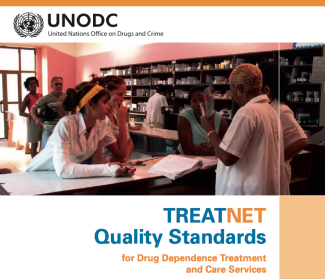
Quality Standards for Drug Dependence Treatment
The TREATNET Quality Standards are based on the United Nations Office on Drugs and Crime (UNODC) Principles of Drug Dependence Treatment and Care.
They represent a set of evidence-based standards for drug-dependence treatment.
Click here...
Principles of Adolescent Substance Use Disorder Treatment: A Research-Based Guide
The National Institute on Drug Abuse (NIDA) presents its Principles of Adolescent Drug Addiction Treatment.
The document focuses exclusively on the realities of substance use among youth (12 to 17 years).
Illegal substances, prescription...
UK Health Professionals Call for Minimum Unit Pricing of Alcohol in England
Senior health professionals are calling for Westminster to introduce minimum unit pricing of alcohol and clampdown on drinks advertising in England.
They claim that within the next five years up to 63,000 people across the country will die...

ISSUP at the 22nd Annual National Institute on Drug Abuse International Forum
The 22nd Annual National Institute on Drug Abuse (NIDA) International Forum was held in Montreal, Canada from June 16th – 19th, 2017.

Predicting the Size and Characteristics of the Drug Treatment Population – Technical Methods
Aim and data specification
This analysis was based on monthly data from the National Drug Treatment Monitoring System (NDTMS) from December 2005 to November 2016. NDTMS is taken to be a comprehensive description of drug treatment provision...
Family Therapy for Adolescents with Behavioural Problems
Multidimensional family therapy addresses:
- Mental health, substance use and other behavioural issues affecting young people
- The parents’ childrearing skills/personal functioning
- Parent-child communication/relationship
- Family members'...
New Consensus Document For Drug Testing in Clinical Addiction Medicine
A new Consensus Document from the American Society of Addiction Medicine (ASAM) appears in the new edition of the Journal of Addiction Medicine.
The document provides practical, evidence-based recommendations regarding the use of drug...

An Expanding World of Novel Psychoactive Substances: Opioids
The abuse of novel psychoactive substances (NPS) has been increasing dramatically worldwide since late 2000s. By the end of 2015, more than 560 NPS had been reported to the European Monitoring Centre for Drugs and Drug Addiction. Although...
میتھاڈون بحالی کے علاج کے دوران نیکوٹین انحصار سے وابستہ عوامل
اخذ کرنا
مقاصد: تمباکو نوشی منشیات کے صارفین کے درمیان منفی صحت کے نتائج کے ساتھ منسلک ہے، بشمول علاج میں ان لوگوں سمیت. تاہم ، آج تک ، ترقی پذیر ممالک میں اوپیئڈ انحصار کا علاج حاصل کرنے والے لوگوں میں تمباکو نوشی کے نمونوں کے بارے میں...
E-Cigarettes Less Addictive Than Traditional Cigarettes, Study Finds
E-cigarettes are less addictive than traditional cigarettes, according to a new study published in the journal Preventative Medicine.
That said, around 75% of e-cigarette smokers still consider themselves to be dependent on their use.
Mor...
Should you Recommend Acupuncture to Patients with Substance Use Disorders?
Acupuncture is an ancient therapeutic tool known to be the core of traditional Chinese medicine. Two theories suggest positive outcomes in patients treated with acupuncture:
- The oxidative stress reduction theory states that a “large body...
Drug Misuse and Dependence: UK Guidelines on Clinical Management
Often called the Orange Book, this is guidance for clinicians treating people with drug problems.
This 2017 version offers new guidelines on:
- prison-based treatment
- new psychoactive substances and club drugs
- mental health co-morbidity...

SAMHSA Opioid Overdose Prevention Toolkit
This toolkit offers strategies to health care providers, communities, and local governments for developing practices and policies to help prevent opioid-related overdoses and deaths. Access reports for community members, prescribers...
Effectiveness Bank Matrix Bite: Treatment Systems to Reduce Alcohol-Related Crime and Safeguard the Community
Final cell of the Alcohol Treatment Matrix. The theme is set by an Australian review which argues that despite radically different starting points, criminal justice and treatment systems must collaborate to deliver treatment. We invite you...