

Hledat
 Treatment
The range of medical, psychological, and social services designed to help individuals reduce or stop substance use and manage substance use disorders. Treatment may include assessment, counselling and behavioural therapies, medication-assisted treatment, withdrawal management, and support for co-occurring mental or physical health conditions. Effective treatment is typically person-centred and evidence-informed, and may be provided in outpatient, community, or residential settings. Treatment aims to improve health and functioning, reduce substance-related harms, and support individuals in moving toward recovery and long-term wellbeing.

The Danger of the Kampung and the Promise of Work: Examining Drug Recovery and its Limits in Aceh, Indonesia
In Aceh, Indonesia, a small but committed group of addictions professionals are working to expand the drug recovery system. The province hosts public and private recovery centres run by a number of social organizations, including the national health service (Dinkes), the police (Satpol PP), and publicly registered charities (Yayasan).
Analyzing 10 Years of Drug Use Trends and Transforming Addiction Care Beyond Rehabilitation
Indonesia maintains one of the world's most stringent narcotics legal frameworks, codified in Law 35/2009, which imposes severe sanctions ranging from lengthy mandatory minimum prison sentences to capital punishment. This punitive stance has precipitated a crisis of hyper-incarceration, with national prison overcrowding averaging 108% with some facilities operating at 198% capacity, and detention centers exceeding 210%.
THE POWER OF LOCALLY AVAILABLE RESOURCES IN ADDICTION PREVENTION
THE POWER OF LOCALLY AVAILABLE RESOURCES IN ADDICTION PREVENTION.
Addiction prevention efforts are most successful when they are rooted in the local context—using what is available within a community to address its unique challenges. This...
Words Matter: Language and Stigma Reduction
ISSUP Global, in collaboration with Faces & Voices of Recovery, presents its webinar titled 'Words Matter: Language and Stigma Reduction.'
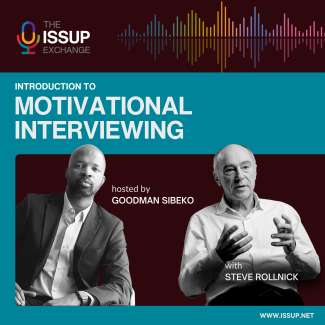
Growing MI: Training Minds, Shaping Practice Pt.3
What does it take to truly learn Motivational Interviewing, and how do we build the kind of environments where that learning can stick?
In this third episode of the ISSUP Exchange series, Dr. Goodman Sibeko continues the conversation with...
Returning to Basics: Successful Advocacy 101
ISSUP Global, in collaboration with Faces & Voices of Recovery, presents its webinar titled 'Returning to Basics: Successful Advocacy 101'
Differences Between Illegal and Legal Gamblers in Israel: Gambling Behavior, Motivation, and Substance Use
Abstract
Little is known about people who gamble in illegal settings, and the extent of differences in gambling behavior between legal and illegal gamblers is unclear. The present study examined the characteristics of illegal gamblers and...
Impact of opioid maintenance therapy in the community on re-incarceration in individuals with opioid use disorder—A linked cohort study
Abstract
Introduction
Studies have found associations between Opioid Agonist Maintenance Treatment during incarceration and reduced recidivism among recently released formerly incarcerated persons. However, the role of community-based Opi...
Applying the theory of planned behavior to predict online addiction treatment intention
Abstract
Scant research has been published on online addiction treatment, with few studies focusing on the Theory of Planned Behavior (TPB) in relation to addiction treatment. Therefore, this study aims to explain the TPB's predictability...
A Deeper Look into the Roots of Substance Use Disorders
Addiction is often seen through the lens of poor choices or lack of willpower, but this view oversimplifies what is, in reality, a highly complex mental health condition. Through my academic journey in addiction counseling, I’ve come to...

A Deeper Look into the Roots of Substance Use Disorders
Addiction is often seen through the lens of poor choices or lack of willpower, but this view oversimplifies what is, in reality, a highly complex mental health condition. Through my academic journey in addiction counseling, I’ve come to...

BENEFITS OF ALLY AND PEER COLLABORATIONS IN RECOVERY WORK
Recovery Allies and Peer Recovery Support Specialists are highly resourceful individuals who can work collaboratively through actions that align with recovery principles. By working together from a science-based position and incorporating...
Beneath the Surface: Unraveling Childhood Trauma’s Role in Drug Addiction
Childhood is often painted as a carefree canvas, but for too many, it’s a battleground where unseen wounds are carved and wounds that echo into adolescence and beyond. In my project, Understanding the Impact of Childhood Trauma on Drug...

How Childhood Trauma Rewires the Brain: New Insights and Hope for Healing
Childhood trauma leaves an indelible mark not just on a person’s memories, but on the very structure and function of their brain. A groundbreaking study from the University of Essex, led by Dr. Megan Klabunde, has shed new light on how...

Resources for Building Compassionate and Responsive Recovery Systems
Recovery is not a one-size-fits-all process—it is dynamic, multifaceted, and deeply individual. To truly support individuals on their recovery journey, practitioners must access tools, systems, and knowledge that reflect the realities of those they serve.
Women’s Substance Use Treatment and Recovery
This report from the Centre of Excellence for Women’s Health reviews what we know about women’s substance use treatment and recovery in Canada. It highlights the need for trauma-informed, culturally sensitive, and family-focused care. Since...
The Use of AI in the Treatment of Addictions
AI is helping improve addiction treatment in many ways. It creates personalized treatment plans based on a person’s history and needs, and can even detect early signs of risk before addiction develops. AI also analyzes large amounts of data...
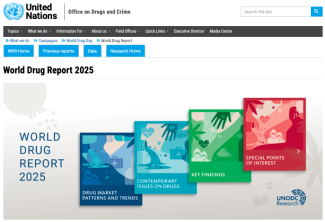
World Drug Report 2025
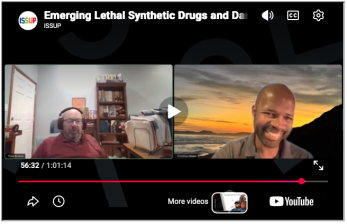
On July 2nd, 2025, ISSUP had the privilege of hosting a webinar outlining highlights from the 2025 edition of the World Drug Report (WDR), presented by Ms. Giovanna Campello, Chief of the Prevention, Treatment and Rehabilitation Section at...
A Call for Trauma-Informed Justice Reform in Nigeria: Breaking the Cycle of Substance Use, Mental Illness, and Incarceration
By Seye Omiyefa
Across Nigeria and many parts of the world, thousands of individuals, particularly youth and economically marginalized people, are trapped in a revolving door of arrest, incarceration, and reentry. Much of this cycle is...
Making a Difference Across Illinois
BOOSTING TREATMENT SUCCESS & VALUE
People referred to substance use treatment by the justice system (courts, probation, parole) are significantly more likely to complete it when they also receive TASC (Treatment Accountability for Safer...