Hledat
 Psychoactive Substances
Psychoactive substances are natural or synthetic substances that act on the central nervous system and alter mental processes such as mood, perception, cognition, consciousness, and behaviour. These substances may be legally prescribed medications (e.g., pain medications or sedatives), legally available substances such as alcohol or caffeine, or controlled or illicit drugs. Psychoactive substances can be used for medical, social, cultural, or recreational purposes, but some carry risks of misuse, dependence, and health or social harms when used in harmful ways.
The relationship between craving and insular morphometry in regular cocaine users: Does sex matter?
Abstract
While it has been suggested that cocaine use and relapse in women is more strongly related to stress-relief craving, whereas cocaine use in men is more strongly related to reward craving, the neural mechanisms that underlie these...
Anomálie v globální síťové konektivitě spojené s časným zotavením ze závislosti na alkoholu: studie transkraniální magnetické stimulace a elektroencefalografie
Abstraktní
Ačkoli předchozí výzkum u populací závislých na alkoholu identifikoval změny v místních strukturách obvodů "odměny" závislosti, existuje omezený výzkum globálních rysů této sítě, zejména v časném zotavení. Transkraniální...
Sulphated dehydroepiandrosterone serum levels are reduced in women with alcohol use disorder and correlate negatively with craving: A sex-separated cross-sectional and longitudinal study
Abstract
Previous studies have established a role of sex hormones in alcohol use disorder (AUD).Only few clinical investigations with low numbers of patients with AUD have focused on the sulphated form of dehydroepiandrosterone (DHEA-S)...
Sex differences in acute cannabis effects revisited: Results from two randomized, controlled trials
Abstract
Some evidence suggests that males and females may differ in their responses to acute cannabis effects, including subjective drug effects and behavioural effects, and cannabinoid pharmacokinetics. This is significant given current...
Multimodal MRI data fusion reveals distinct structural, functional and neurochemical correlates of heavy cannabis use
Abstract
Heavy cannabis use (HCU) is frequently associated with a plethora of cognitive, psychopathological and sensorimotor phenomena. Although HCU is frequent, specific patterns of abnormal brain structure and function underlying HCU in...
From binge eating to binge drinking: A new and robust paradigm for assessing binge ethanol self-administration in male rats
Abstract
Animal models of alcohol (ethanol) self-administration are crucial to dissect the neurobiological mechanisms underlying alcohol dependence, yet only a few of these induce pharmacologically relevant levels of alcohol consumption...
Overcoming the pains of recovery: The management of negative recovery capital during addiction recovery pathways
Abstract:
Pains experienced as a result of negative recovery capital are often thought to stimulate motivations for positive behavioural change, usually through a ‘rock bottom’ type moment. Whilst recovery capital and barriers to recovery...

Vylepšené štítky nádob na alkohol: Systematický přehled (Přehled zpráv)
Aby se zjistilo, jak mohou být štítky na nádoby na alkohol použity k budování povědomí veřejnosti, Kanadské centrum pro užívání návykových látek a závislost zadalo Enhanced Alcohol Container Labels: A Systematic Review a vypracovalo ...
Riziko předávkování opioidy spojené se současným užíváním oxykodonu a selektivních inhibitorů zpětného vychytávání serotoninu
Abstraktní
Význam Některé selektivní inhibitory zpětného vychytávání serotoninu (SSRI) inhibují enzymy zodpovědné za metabolismus oxykodonu, silného opioidu na předpis. Klinické důsledky této interakce na riziko předávkování opioidy...
The prevalence and pattern of cannabis use among patients attending a methadone treatment clinic in Nairobi, Kenya
Cannabis is the most widely used illegal substance in the world, with a global prevalence of 4% among people aged 15 to 64 years and a recent trend of growing use. Cannabis usage can have negative health consequences, such as impaired...
Překážky v podpoře lidí s problémovým užíváním návykových látek a bezdomovectvím: Seznam četby
Druhý webinář z naší série o bezdomovectví a užívání návykových látek představila Dr. Hannah Carverová, která se zaměřila na různé překážky, s nimiž se lidé setkávají, když se snaží získat přístup k podpoře, a na důkazní základnu pro různé...

An overview of global homelessness and strategies for systemic change
The Institute of Global Homelessness (IGH) drives a global movement to end street homelessness. Their vision is a world where everyone has a home that offers security, safety, autonomy, and opportunity.
This paper, published by IGH...
Evropské reakce na potřeby lidí, kteří zažívají bezdomovectví a užívají drogy
Shrnutí:
Tento článek zkoumá důkazní základnu pro služby navržené tak, aby uspokojovaly potřeby lidí, kteří zažívají bezdomovectví a užívají drogy. Prostřednictvím vymezené analýzy stávajících systematických a rychlých přezkumů důkazů se...
Provision of peer support at the intersection of homelessness and problem substance use services
People who experience homelessness are often described as hard to reach and face marginalisation and exclusion.Peer support, which refers to the support provided by people who have lived experiences of a particular situation, has been...
What treatment and services are effective for people who are homeless and use drugs?
People who experience homelessness experience disproportionately high rates of drug use and associated harms, yet barriers to services and support are common. This review explores the effects of interventions for this population on...
Co představuje účinnou léčbu problematického užívání návykových látek z pohledu lidí bez domova?
Navzdory tomu, že lidé bez domova zažívají vyšší míru užívání návykových látek, jednotlivci čelí překážkám při pokusu o přístup k léčebným službám a zapojení se do nich.
Tento systematický přehled a meta-etnografie zkoumá pohled na účinnou...
Abuse Potential of Cathinones in Humans: A Systematic Review
Abstract
Introduction and objective: Assessing the abuse potential of new substances with central nervous system activity is essential for preventing possible risks of misuse and addiction. The same methodology is recommended for the...
Mindfulness-Based Relapse Prevention: why make relapse prevention more mindful?
Traditionally, relapse prevention for addictive disorders has been based on cognitive-behavioural therapy (CBT). The development of mindfulness-based relapse prevention (MBRP) by the University of Washington, which integrates core aspects...

Rizika a škody spojené s nelékařským užíváním benzodiazepinů v neregulovaných dodávkách drog v Kanadě
Shrnutí
Rizika užívání návykových látek jsou výrazně vyšší u lidí, kteří získávají drogy na neregulovaném trhu, protože neexistuje žádná kontrola kvality a obsah drog je nepředvídatelný. Tato nedostatečná předvídatelnost se během pandemie...
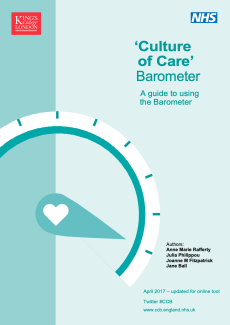
Culture of Care’ Barometer
An organisational culture is the collection of values, expectations, and practices that shape the overall feeling and actions among staff members. A culture of care is an environment that is created where people feel valued and supported as...