Hledat
 Psychoactive Substances
Psychoactive substances are natural or synthetic substances that act on the central nervous system and alter mental processes such as mood, perception, cognition, consciousness, and behaviour. These substances may be legally prescribed medications (e.g., pain medications or sedatives), legally available substances such as alcohol or caffeine, or controlled or illicit drugs. Psychoactive substances can be used for medical, social, cultural, or recreational purposes, but some carry risks of misuse, dependence, and health or social harms when used in harmful ways.
CLOUD - The Curated Library about Opioid Use for Decision-makers
In partnership with the National Governors’ Association and Milbank Memorial Fund, the Center for Evidence-based Policy has created CLOUD: Curated Library about Opioid Use for Decision-makers.
CLOUD's mission is to curate high quality...

Journal for Advancing Justice Volume II
Opioid-related morbidity and mortality in the U.S. has been steadily increasing over the last two decades. In 2017 alone, 2.1 million Americans suffered from opioid use disorder (OUD), and 47,600 died from opioid overdose.
Predictably, the...

Pharmacotherapy for Methamphetamine/Amphetamine Use Disorder — A Systematic Review and Meta-Analysis
This meta-analysis of research on medication to treat methamphetamine use disorder finds that only one medication, methylphenidate, has any efficacy in reducing use.
Recovery Month 2019
Every September the Recovery Month Campaign aims to increase awareness and understanding of mental and substance use disorders and celebrate the people who recover.
Over the years, Recovery Month has promoted and supported new evidence...
Prevention of Drug-Related Deaths
Opioids are a class of drugs that act on the nervous system to produce feelings of pleasure and pain relief. Opioids have a high potential for causing addiction in some people and can cause life-threatening health problems, including the...
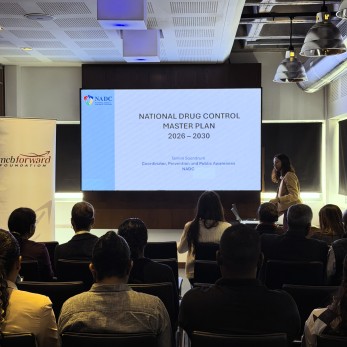
Criminal Justice Continuum for Opioid Users at Risk of Overdose
Worldwide, there has been a dramatic rise in the number of opioid-involved overdose deaths.
Certain sections of the population are more vulnerable to the risk of developing opioid use disorder and overdosing. One such group are those in...
Use of Medication-Assisted Treatment for Opioid Use Disorder in Criminal Justice Settings
The success of treatment and recovery of individuals with opioid use disorder (OUD) can vary. Most often, a combination of factors adds complexities to evaluating the effectiveness of services and interventions.
Worldwide, overdose is the...
Classification of Drugs: When Science Was Left Behind
In Classification of Drugs: when science was left behind, the Global Commission on Drug Policy explains how the historical classification of psychoactive substances has contributed to the "world drug problem".
It is the first-ever...
Výzva SPR 2020 k předkládání příspěvků je nyní otevřena!
Letošní téma konference, Proč je kontext důležitý: Směrem k místní preventivní vědě, vyzývá vědce v oblasti prevence, aby výslovně uznali ústřední roli, kterou mají geografické pojmy, jako je umístění, vzdálenost, distribuce, konektivita...
Cannabis Use among Adolescents: Risk Pattern, Implications and Possible Explanatory Variables
According to the Spanish Survey on Drug Use in Secondary Schools (ESTUDES), cannabis remains the most used illegal substance among Spanish adolescents, with around 3 out of 10 students reporting lifetime use.
Several studies have warned...
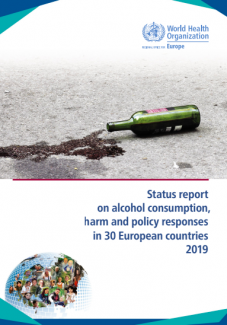
Status Report on Alcohol Consumption, Harm and Policy Responses in 30 European Countries 2019
Alcohol remains one of the most commonly used psychoactive substances in Europe. Despite being a major risk factor for burden of disease, with substantial impacts not only on individual drinkers but also on the broader society, alcohol...
Food and Addiction
The Journal of Eating and Weight Disorders has put together a topical collection on Food and Addiction.
The collection examines the mechanisms of addiction in relation to eating, gaming and substance use. It also covers research on...
Addiction News
The Addiction Journal has put together a news section highlighting noteworthy updates in the field of substance use prevention treatment and recovery from countries around the world.
Have a browse through the past 6 months of headlines...

Psychostimulant Use and the Brain
Over the past decade there has been an increase in the manufacture and use of psychostimulants in countries around the world. Around two-thirds of illicit psychostimulant users are male with average age of use for methamphetamine and...
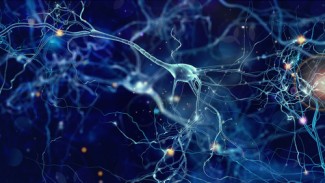
Zneužívání návykových látek mládeží a souběžné poruchy
70%-80% dospívajících s poruchou užívání návykových látek také projevuje komorbidní psychopatologii, známou také jako souběžné poruchy nebo duální diagnóza. Souběžné poruchy jsou přítomnost jedné nebo více komorbidních psychiatrických...

Eating Disorders and Drug Use in Adolescents
The aim of the study was to show whether there was a connection
between drug use and eating disorders, as well as to identify the type
of drugs most widely used and to ascertain whether they are used to
suppress appetite. An “ad hoc” scale...
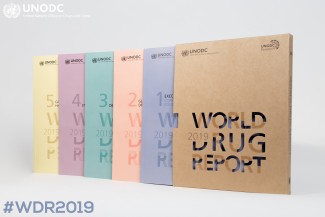
Světová zpráva o drogách 2019
Cílem Světové zprávy o drogách je zlepšit porozumění světovému drogovému problému a přispět k podpoře větší mezinárodní spolupráce v boji proti jeho dopadu na zdraví, správu věcí veřejných a bezpečnost.
Světová zpráva o drogách 2019 je...
Léky na poruchu užívání opiátů zachraňují životy
Tato publikace hodnotí různé léčby založené na důkazech pro poruchu užívání opiátů a konkrétně zdůrazňuje účinnost léčby založené na lécích, pokud je prováděna správně.
Medication-Assisted Treatment of Opioid Use Disorder: Review of the Evidence and Future Directions
This article is a review and analysis of past research that finds substantial evidence for the positive results of Medication-assisted treatment (MAT) in treating Opioid Use Disorder.

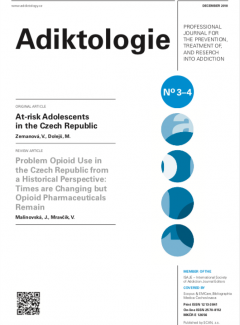
ADIKTOLOGIE Journal
ADIKTOLOGIE is an international journal devoted to publishing peer-reviewed interdisciplinary and transdisciplinary scientific reports on psychoactive substance use, other behavioural addictions and related issues.