


تلاش
 Psychoactive Substances
Psychoactive substances are natural or synthetic substances that act on the central nervous system and alter mental processes such as mood, perception, cognition, consciousness, and behaviour. These substances may be legally prescribed medications (e.g., pain medications or sedatives), legally available substances such as alcohol or caffeine, or controlled or illicit drugs. Psychoactive substances can be used for medical, social, cultural, or recreational purposes, but some carry risks of misuse, dependence, and health or social harms when used in harmful ways.
Words Matter Language Guide
The need to change our language in relation to people who use drugs has become an increasing topic of discussion, but there is still a long way to go. People who use drugs are highly diverse and their relationship with drug use takes many...
نئے نفسیاتی مادے (این پی ایس): مصنوعی محرک / مصنوعی کینبینوئڈز
آئی ایس ایس یو پی نیو سائکو ایکٹو سبسٹینز (این پی ایس) پر ایک سیریز میں پہلا ویبینار پیش کرنے پر خوش ہے۔
Fetal Exposure to Cannabis and Childhood Metabolic Outcomes: The Healthy Start Study
Abstract
Objective
To assess the impact of fetal exposure to cannabis on adiposity and glucose-insulin traits in early life.
Research Design and Methods
We leveraged a subsample of 103 mother-child pairs from Healthy Start, an...
Assessing the feasibility, usability and acceptability of the MySafeRx platform among individuals in outpatient buprenorphine treatment: Lessons learned from a pilot randomized controlled trial
Abstract
Background
Increasing buprenorphine/naloxone (B/N) access for opioid use disorder (OUD) is essential yet ensuring adherence and preventing diversion remains challenging. This study examines the feasibility, usability, and...
Neurofeedback for opioid dependent patients in an outpatient setting: a pilot feasibility study
Background
When used in combination with other therapies for drug use disorders, neurofeedback (NF) has been classified as "probably effective," according to recent research in the community of people with opioid use disorder. Despite...
The role of specialist addiction nurses in alcohol treatment
A recent study has found that embedding specialist Addiction Nurses within general practice teams can help address alcohol problems in deprived areas.
In this blog, the lead author Dr Andrea Mohan examines why the role of the Addiction...
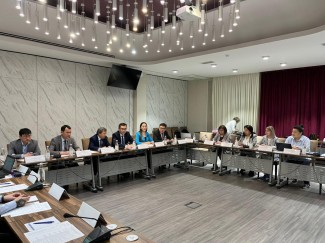
قازقستان میں منشیات کے استعمال کی بیماریوں کی تشخیص اور علاج کے لئے نئے طریقوں اور اوزاروں کا تعارف
15 اپریل2022ء, یو این او ڈی سی کے علاقائی دفتر برائے وسطی ایشیا ء نے ریپبلکن سائنٹیفک اینڈ پریکٹیکل سینٹر فار مینٹل ہیلتھ کے تعاون سے منشیات کے استعمال کی خرابیوں کی تشخیص اور علاج کے نئے طریقوں اور اوزاروں کے اطلاق پر "قومی گول میز بحث" کا...
Association of Psychiatric Disorders With Incidence of SARS-CoV-2 Breakthrough Infection Among Vaccinated Adults
Abstract
Importance Psychiatric disorders may be associated with an increased risk for SARS-CoV-2 breakthrough infection after vaccination, but no studies have tested this hypothesis.
Objective To evaluate whether past diagnoses of...
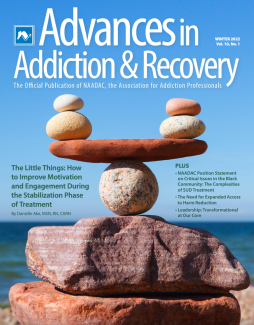
Advances in Addiction and Recovery
Advances in Addiction & Recovery, the official publication of NAADAC, is a quarterly digital magazine focused on providing useful, innovative and timely information on trends and best practices in the profession that are beneficial for...
DAM Report of Recovery Get-Together 2022
Dhaka Ahsania Mission (DAM) drug treatment centers celebrate Recovery Get-Together every year to support recoveries and help integration back into society. This year DAM arranged a “Recovery Get together” program on March 26, 2022, at Ahsania Mission Drug Treatment Center, Gazipur.

National Round Table Discussion on application of new methods and tools of drug use disorders diagnostics and treatment in Uzbekistan
On 25 March 2022 the UNODC Regional Office for Central Asia held a National Round Table Discussion on application of new methods and tools of drug use disorders’ diagnostics and treatment in Tashkent, Uzbekistan. The meeting was attended by...

The Role of Qualitative Research in Addiction Science
Presenter: Dr. Richard Pates, Consultant Clinical Psychologist, Editor in Chief, Journal of Substance Use
MUP and homeless/street drinkers & service providers
Watch the video of the SHAAP/SARN 'Alcohol Occasionals' webinar presentation, held over Zoom on 31 March 2022: "Minimum Unit Pricing (#MUP): Qualitative study of the experiences of homeless drinkers, street drinkers and service providers"...
Khan, M & Aslam, N. (2020). Prevalence of Caffeine Intake among Cigarette Smokers: Directing Caffeine Use Disorder among Pakistani Population, Pak J Med Res, 59 (1), 15-21.
Background: Caffeine is the most commonly used psychoactive drug, being widely enjoyed and open handedly taken all around the world. The use of tea, coffee, soft drinks, chocolates etc is quite common without any sort of consideration to...
Drug use severity in adolescence affects substance use disorder risk in adulthood
Although more than 1 in every 3 US individuals will develop a substance use disorder in their lifetime, relatively little is known about the long-term patterns of substance use disorder symptoms from adolescence through adulthood.
Key
...Aproximación a la situación de salud de los adolescentes y jóvenes vinculados al Sistema de Responsabilidad Penal
Documento técnico del Ministerio de Salud y Protección Social, se construye a partir de una aproximación a la evidencia internacional sobre salud de las(os) adolescentes y jóvenes vinculados a los sistemas judiciales; reconoce la...
یو این او ڈی سی مادہ کے استعمال کی خرابیوں کے لئے یونیورسل ٹریٹمنٹ نصاب کی اعلی درجے کے اندر وسطی ایشیا سے قومی ٹرینرز کی ٹیم کو تربیت دیتا ہے
یو این او ڈی سی کے علاقائی دفتر برائے وسطی ایشیا نے کورس 13 – "ہنگامی انتظام: ایک تقویت پر مبنی علاج" اور "کورس 18 – "کلینیکل نگرانی" پر ٹرینرز (ToT) کی تربیت کی حمایت کی جو 10-18 مارچ 2022 کو کرغزستان کے شہر بشکیک میں ذاتی طور پر منعقد...

Differences in addiction and recovery gains according to gender – gender barriers and specific differences in overall strengths growth
Background
The necessity of a gendered understanding of recovery is becoming increasingly evident. There have been reports of gender disparities in the character and amount of substance use, the paths to and through substance use disorder...
Navigating intersecting public health crises: a qualitative study of people with opioid use disorders' experiences during the COVID-19 pandemic
Background
The long-running opioid epidemic and the more recent COVID-19 pandemic are two interrelated events with major public health implications for people who use opioids (OUD). The majority of studies on the interaction of these two...
Non-opioid prescription misuse
This presentation explored the who, how and why of non-opioid prescription drug misuse focusing on antipsychotics, stimulants and pregabalin.
While much is known about the prevalence and associated harms of prescription opioid and...