


تلاش
 Populations
Distinct groups of people within a society who share certain characteristics such as age, gender, geographic location, socioeconomic status, cultural background, or exposure to particular risk factors that may influence patterns of substance use, vulnerability to substance use disorders, and access to services. In the context of substance use systems, identifying and understanding different populations helps guide the design of prevention, treatment, recovery, and policy responses that are appropriate, equitable, and responsive to specific needs. Examples may include youth, women, people experiencing homelessness, individuals in the criminal justice system, or communities affected by specific social or economic conditions.



Structural violence and the need for compassionate use of methadone in Mexico
Abstract
Background
Epidemiological data from Mexico have documented an increase in heroin use in the last decade. However, there is no comprehensive care strategy for heroin users, especially those who have been accused of a crime. The...
Війна - психологічні навички подолання травмуючих подій: Допомога дорослому населенню в умовах війни.
Cерія вебінарів є спільною ініціативою ISSUP Україна та ITTC-Україна присвячена війні і жахливим подіям, які стали наслідком нападу Росії на Україну.
Association of Psychiatric Disorders With Incidence of SARS-CoV-2 Breakthrough Infection Among Vaccinated Adults
Abstract
Importance Psychiatric disorders may be associated with an increased risk for SARS-CoV-2 breakthrough infection after vaccination, but no studies have tested this hypothesis.
Objective To evaluate whether past diagnoses of...
The Intersection Between Substance Use Disorder and Human Trafficking
ISSUP Kenya would like to present their next Bi-Monthly Webinar on The Intersection Between Substance Use Disorder and Human Trafficking.
This Webinar will discuss:
- Nature of Substance Use Disorder
- The connection between human...
DAM Report of Recovery Get-Together 2022
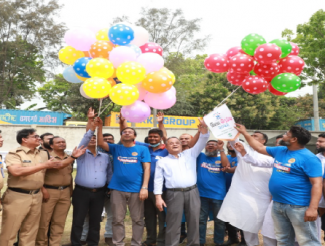
Dhaka Ahsania Mission (DAM) drug treatment centers celebrate Recovery Get-Together every year to support recoveries and help integration back into society. This year DAM arranged a “Recovery Get together” program on March 26, 2022, at Ahsania Mission Drug Treatment Center, Gazipur.
UNODC Listen First
A UNODC drug use prevention initiative that promotes the well-being of children and youth, their families and their communities. Presenter: Jenny Roston Lundstrom, Coordinator - UNODC PTRS
Lanzamiento del Capitulo Español de ISSUP
ISSUP España le invita a asistir a su evento de lanzamiento.
Association of Habitual Alcohol Intake With Risk of Cardiovascular Disease
Abstract
Importance Observational studies have consistently proposed cardiovascular benefits associated with light alcohol consumption, while recent genetic analyses (ie, mendelian randomization studies) have suggested a possible causal...

Frequency and severity of irritable bowel syndrome in cigarette smokers, Turkey 2019
ABSTRACT
Introduction:
Cigarette smoking has recently been associated with several gastrointestinal symptoms, and smoking cessation has been recommended as a lifestyle change strategy for irritable bowel syndrome (IBS). This study assessed...
Treatment outcome and readmission risk among women in women-only versus mixed-gender drug treatment programs in Chile
Abstract
Introduction
Traditional treatment programs for substance use disorder (SUD) tend to be male-dominated environments, which can negatively affect women's access to treatment and related outcomes. Women's specific treatment needs...
Fetal alcohol spectrum disorder - Quality standard
Latest quality standard published sets out how health and care services can improve the diagnosis, assessment, and prevention of foetal alcohol spectrum disorder (FASD).
The quality standard highlights five key areas for improvement:
- ...
Bi-Monthly Webinar: ISSUP Nigeria Knowledge Update Series (Eleventh Session)
ISSUP Nigeria would like to present the next Bi-monthly webinar in their Knowledge Update Series.
Handbook for Emergencies
The third edition of UNHCR’s Emergency Handbook is a reference tool which serves to reinforce a common understanding among the many key actors in emergency situations. This edition includes a number of important revisions of the handbook...
Working with older persons in forced displacement
This document provides guidance for UNHCR staff and partners on protecting the rights of older persons in situations of forced displacement or statelessness.
When responding to the phases of forced displacement (flight, displacement...
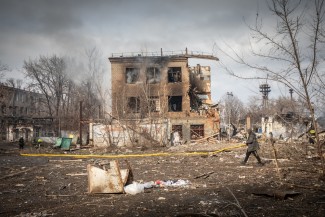
Emergency Resource List
A selection of resources designed to support people who are in the midst of an emergency.
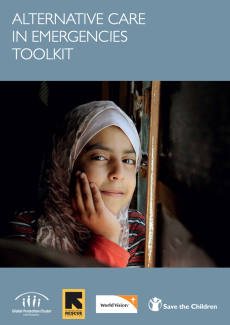
Alternative Care in Emergencies Toolkit
The Alternative Care in Emergencies (ACE) Toolkit is designed to facilitate interagency planning and implementation of alternative care and related services for children separated from or unable to live with their families during and after...
Differences in addiction and recovery gains according to gender – gender barriers and specific differences in overall strengths growth
Background
The necessity of a gendered understanding of recovery is becoming increasingly evident. There have been reports of gender disparities in the character and amount of substance use, the paths to and through substance use disorder...
ISSUP The Gambia Launch
ISSUP The Gambia would are pleased to present their launch event followed by a webinar on Community Resilience in Substance Use.
Adfam Research Report: Families and friends negatively affected by gambling - Policy & Recommendations
Description: This report sets out Adfam's findings from a range of research activities including four specific gambling-related surveys, peer support training and round-table events.
It looks at the effects of gambling on families as well...

Effect of Medical Marijuana Card Ownership on Pain, Insomnia, and Affective Disorder Symptoms in Adults A Randomized Clinical Trial
Abstract
Importance Despite the legalization and widespread use of cannabis products for a variety of medical concerns in the US, there is not yet a strong clinical literature to support such use. The risks and benefits of obtaining a...