

Search
 Populations
Distinct groups of people within a society who share certain characteristics such as age, gender, geographic location, socioeconomic status, cultural background, or exposure to particular risk factors that may influence patterns of substance use, vulnerability to substance use disorders, and access to services. In the context of substance use systems, identifying and understanding different populations helps guide the design of prevention, treatment, recovery, and policy responses that are appropriate, equitable, and responsive to specific needs. Examples may include youth, women, people experiencing homelessness, individuals in the criminal justice system, or communities affected by specific social or economic conditions.


Handbook for Emergencies
The third edition of UNHCR’s Emergency Handbook is a reference tool which serves to reinforce a common understanding among the many key actors in emergency situations. This edition includes a number of important revisions of the handbook...
Working with older persons in forced displacement
This document provides guidance for UNHCR staff and partners on protecting the rights of older persons in situations of forced displacement or statelessness.
When responding to the phases of forced displacement (flight, displacement...
Emergency Resource List
A selection of resources designed to support people who are in the midst of an emergency.

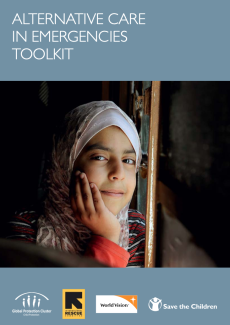
Alternative Care in Emergencies Toolkit
The Alternative Care in Emergencies (ACE) Toolkit is designed to facilitate interagency planning and implementation of alternative care and related services for children separated from or unable to live with their families during and after...
Differences in addiction and recovery gains according to gender – gender barriers and specific differences in overall strengths growth
Background
The necessity of a gendered understanding of recovery is becoming increasingly evident. There have been reports of gender disparities in the character and amount of substance use, the paths to and through substance use disorder...
ISSUP The Gambia Launch
ISSUP The Gambia would are pleased to present their launch event followed by a webinar on Community Resilience in Substance Use.
Adfam Research Report: Families and friends negatively affected by gambling - Policy & Recommendations
Description: This report sets out Adfam's findings from a range of research activities including four specific gambling-related surveys, peer support training and round-table events.
It looks at the effects of gambling on families as well...

Effect of Medical Marijuana Card Ownership on Pain, Insomnia, and Affective Disorder Symptoms in Adults A Randomized Clinical Trial
Abstract
Importance Despite the legalization and widespread use of cannabis products for a variety of medical concerns in the US, there is not yet a strong clinical literature to support such use. The risks and benefits of obtaining a...
Association Between Workplace Absenteeism and Alcohol Use Disorder From the National Survey on Drug Use and Health, 2015-2019
Abstract
Importance Alcohol use disorder (AUD) is common and associated with increased morbidity. The degree to which AUD currently factors into workplace absenteeism needs further characterization in the US.
Objective To examine the...
Enhancing treatment recovery services for women
This webinar addresses core issues that are unique to female SUD treatment. Gender-responsive approaches to augment and enhance existing treatment services are discussed.
Sociodemographic and family factors related to the use of psychoactive substances in adolescents
This article presents an analysis of the sociodemographic and family factors related to the use of psychoactive substances in adolescents in the tenth year of a public school in the Canton of Montes de Oca. The approach was quantitative...
COVID 19—impact on substance use treatment utilisation and provision in South Africa
Background
The coronavirus disease 2019 (COVID-19) pandemic has affected persons suffering from substance use disorders (SUDs) all around the world. The purpose of this study was to investigate changes in the number of SUD treatment...
Join us at the COMMISSION ON NARCOTIC DRUGS this week!
Dear friends and colleagues,
The Commission on Narcotic Drugs is starting very soon! In fact, tomorrow, Monday, 14 March 2022.
Once again, all sessions, as well as the side events, are to be held online due to the pandemic. The good...
Ecolink Alumnis honor Global Trainers on Intl Women's Day
Ecolink Alumnis honor global trainers as outstanding Women of the Year on Women’s day.
Mangalore, India: Ecolink Alumni Association with over 200 students from 18 countries honored its Master trainers who trained over 250 addiction...

Associations of Alcohol Consumption and Smoking With Disease Risk and Neurodegeneration in Individuals With Multiple Sclerosis in the United Kingdom
Abstract
Importance Understanding the effects of modifiable risk factors on risk for multiple sclerosis (MS) and associated neurodegeneration is important to guide clinical counselling.
Objective To investigate associations of alcohol...
Effect of Combination Treatment With Varenicline and Nicotine Patch on Smoking Cessation Among Smokers Who Drink Heavily A Randomized Clinical Trial
Abstract
Importance The concurrent use of both tobacco and alcohol causes substantial disease and early mortality, and smokers who drink heavily tend to be less successful in smoking cessation than smokers who do not. Although varenicline...
The relationship between craving and insular morphometry in regular cocaine users: Does sex matter?
Abstract
While it has been suggested that cocaine use and relapse in women is more strongly related to stress-relief craving, whereas cocaine use in men is more strongly related to reward craving, the neural mechanisms that underlie these...
Effects of family history of substance use disorder on reward processing in adolescents with and without attention-deficit/hyperactivity disorder
Abstract
Patients with attention-deficit/hyperactivity disorder (ADHD) often develop early onset substance use disorder (SUD) and show poor treatment outcomes. Both disorders show similar reward-processing alterations, but it is unclear...
Sulphated dehydroepiandrosterone serum levels are reduced in women with alcohol use disorder and correlate negatively with craving: A sex-separated cross-sectional and longitudinal study
Abstract
Previous studies have established a role of sex hormones in alcohol use disorder (AUD).Only few clinical investigations with low numbers of patients with AUD have focused on the sulphated form of dehydroepiandrosterone (DHEA-S)...
Law Enforcement in Prevention Programming
An APSI Prevention Talk on how to appropriately engage law enforcement in the implementation of evidence-based prevention strategies, with specific reference to the prevention of substance use.