

لټون
 Regulatory Control of Substances
The legal and administrative systems used to manage the classification, production, distribution, prescribing, and availability of controlled substances. These regulatory frameworks aim to ensure that substances with psychoactive properties are safely produced, distributed, and used for legitimate medical and scientific purposes, while preventing diversion, misuse, and illegal distribution. Regulatory control may include drug scheduling, licensing of manufacturers and prescribers, prescription monitoring systems, import and export controls, and pharmaceutical supply oversight. These mechanisms help balance access to essential medicines with the protection of public health and safety.
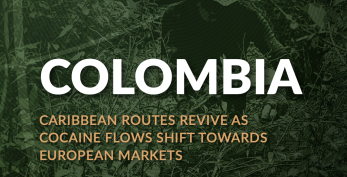


Bringing law enforcement officers closer to other agents of prevention. The experience with UNODC Guiding Document on the Role of Law Enforcement Officers in Drug Use Prevention within School Settings
Presented at Thessaloniki 2024 - Panel: Community Collaboration for Prevention, on the 27th of June, 2024.
د مخدره توکو د مصنوعی ګواښونو د مخنیوی لپاره نوی نړیوال ائتلاف پیل شو
د جولای په 7 ، 2023 کې ، د متحده ایالاتو د بهرنیو چارو وزیر انتونی بلینکن د مصنوعی مخدره توکو ګواښونو ته د رسیدو لپاره د نړیوال ایتلاف پیل کولو لپاره د وزیرانو په کچه د مجازی غونډې کوربه و.
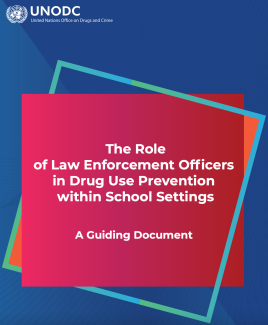
The Role of Law Enforcement Officers in Drug Use Prevention within School Settings A Guiding Document
In the context of law enforcement, the UNODC has developed a guiding document to help support a change of culture on how to make use of the science of prevention for the betterment of the health and safety development of youth.
The UNODC...
دوه میاشتنی ویبینار: د ISSUP نایجیریا د پوهې تازه کولو لړۍ (شپلسمه ناسته)
د ای سی پی نایجیریا خوشحاله ده چې خپل راتلونکی دوه میاشتنی ویبینار د "په ښوونځیو کې د مخدره توکو کارولو مخنیوی مداخلې: د مجازاتو بدیل" موضوع په اړه وړاندې کوی.
Legal responses to novel psychoactive substances implemented by ten European countries: An analysis from legal epidemiology
Abstract
Introduction
Novel psychoactive substances (NPS) continue to pose challenges to law enforcement authorities, public health officers and policymakers as suppliers continuously adapt to control measures, thus remaining highly...
Placebo Response and Media Attention in Randomized Clinical Trials Assessing Cannabis-Based Therapies for Pain A Systematic Review and Meta-analysis
Abstract
Importance Persistent pain is a common and disabling health problem that is often difficult to treat. There is an increasing interest in medicinal cannabis for treatment of persistent pain; however, the limited superiority of...
Keynote Speakers - WHO & UNODC and ICQ Official Launch, Day 2, Track 1, 08:00-09:00
Presented as part of the Uniting the global community to face the challenge of addiction event, in-person on 13th May, 2022
Law Enforcement in Prevention Programming
An APSI Prevention Talk on how to appropriately engage law enforcement in the implementation of evidence-based prevention strategies, with specific reference to the prevention of substance use.
په پاکستان کې د نشه یی توکو د استعمال د بې نظمیو د درملنې لپاره د نړیوال معیار سره سم په پاکستان کې د کیفیت د تضمین په اړه ټینګه ژمنه
UNODC پاکستان د نشه یی توکو وزارت ، د روغتیا د ملی خدمتونو د تنظیم او همغږۍ وزارت ، د UNODC د مخنیوی ، درملنې او بیا روغونې د برخې او د امریکا د بهرنیو چارو وزارت د سخاوتمند بودیجې د ملاتړ په ملتیا د ۲۰۲۱ کال د نومبر په ۲۳ مه د « د نشه یی...
د ۲۰۲۱ کال د نشه یی توکو د کنټرول د نړیوالې ستراتیژۍ راپور
2021 INCSR – Volume I : د نشه یی توکو او کیمیاوی توکو کنټرول ( لکه څنګه چې کانګریس ته سپارل شوی )
د بشپړ راپور لوستلو لپاره، مهربانی وکړئ لیدنه وکړئ: https://www.state.gov/2021-incsr-volume-i-drug-and-chemical-control-as-submitted-to...
بی میاشتنی ویبنار : ISSUP نایجیریا د پوهی د اپډیټ لړۍ ( شپږمه غونډه )
ای ایس ایس او پی نایجریا خوښ دی چی راتلونکی ویبینار د دوی د بی میاشتنی پوهی د اپډیټ لړۍ کی وړاندې کړی. دا ویبینار په 'د شواهدو پر بنسټ د مادو د استعمال مخنیوی کې د قانون د پلی کولو رول' باندې تمرکز کوی.
د هغو کسانو ساتنه چې زموږ ساتنه کوی
د UNODC د تخنیکی لارښودونو او روزنیزو موادو د لړۍ په لړ کې د قانون د پلی کولو او ګمرکی افسرانو لپاره د خطر د مخ په وړاندې کولو او د خطر د مدیریت لپاره د خوندی لاس وهنې لارښودونه جوړ کړی دی. دا د ثبوت پر بنسټ د لارښود سند دی چې د قانون د...
د مخدره توکو طبقه بندی: کله چې ساینس وروسته پاتې شو
د مخدره توکو طبقه بندی: کله چې ساینس شاته پاتې شو ، د مخدره توکو د پالیسۍ نړیوال کمیسیون تشریح کوی چې څنګه د روانی فعالو موادو تاریخی طبقه بندی د "نړیوال مخدره توکو ستونزې" کې مرسته کړې.
دا لومړی ځل جامع راپور دی چې د دوی د زیانونو سره سم...
Acute Effects of Smoked and Vaporized Cannabis in Healthy Adults Who Infrequently Use Cannabis
Key Points
Question: How does smoked and vaporized cannabis acutely influence subjective drug effects, cognitive and psychomotor performance, and cardiovascular measures in healthy adults who infrequently use cannabis (>30 days since last...
Effects of Long‐Term Alcohol Drinking on the Dopamine D2 Receptor: Gene Expression and Heteroreceptor Complexes in the Striatum in Rats
Abstract
Background
Reduced dopamine D2 receptor (D2R) ligand binding has repeatedly been demonstrated in the striatum of humans with alcohol use disorder (AUD). The attenuated D2R binding has been suggested to reflect a reduced D2R...
Field Guide to Drug Demand Reduction Program Development, 3rd ed.
The Field Guide to Drug Demand Reduction (DDR) Program Development is an annual publication by the U.S. Department of State primarily for its Embassy personnel abroad to guide in the development of substance use prevention and treatment...
د چیلی د روغتیا په دریمه ملی سروې کې د سګریټو څکول او چابوالی
خلاصه
د چیلی د روغتیا وزارت په دې وروستیو کې د ۲۰۱۶ – ۲۰۱۷ کال د ملی روغتیا د سروې لومړنۍ پایلې ( Encuesta Nacional de Salud, ENS) په اړه څرګندونې کړی دی. دا سروې یوه برخه ییزه وه او د څو پړاوونو څخه یې د تصادفی نمونې اخیستو تګلاره کاروله...
موثریت بانک ماتریكس حجره : د جرمونو څخه د نشه یی توکو د درملنې سیستمونه کموی
د نشه یی توکو د درملنې ماټریكس د ۲۵ حجرو وروستۍ څېړنه راسپموی چې څنګه د ځایی درملنې سیسټمونه د ټولنې ساتنه كولای شی – درملنه په خپل ځان كې ، او درملنه چې د قانون د پلی كېدا د چارواكو لخوا وړاندې شوې یا لګول شوې ده. دا دنده د مویل پلی...
Public Health Language for Recreational Cannabis Laws
Cannabis legalization for recreational use (also called “adult use”) is a reality in a growing number of US states despite continued federal prohibition and limited scientific research on the long-term and short-term health effects of...
Public versus Internal Conceptions of Addiction: An Analysis of Internal Philip Morris Documents
Abstract
Background
Tobacco addiction is a complex, multicomponent phenomenon stemming from nicotine’s pharmacology and the user’s biology, psychology, sociology, and environment. After decades of public denial, the tobacco industry now...