تلاش
 Treatment
The range of medical, psychological, and social services designed to help individuals reduce or stop substance use and manage substance use disorders. Treatment may include assessment, counselling and behavioural therapies, medication-assisted treatment, withdrawal management, and support for co-occurring mental or physical health conditions. Effective treatment is typically person-centred and evidence-informed, and may be provided in outpatient, community, or residential settings. Treatment aims to improve health and functioning, reduce substance-related harms, and support individuals in moving toward recovery and long-term wellbeing.


Anxiety and Alcohol Use: What Clinicians Need to Know
Presented by Associate Professor Lexine Stapinski (the Matilda Centre) this webinar will lead to:
1. An understanding of typical patterns and issues relevant to the management of anxiety and alcohol use disorder comorbidity;
2...
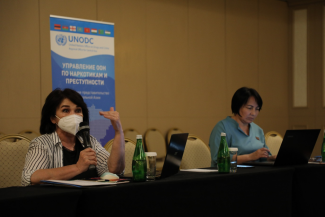
یو این او ڈی سی مسلسل استعداد کار میں اضافے کے ذریعے کوالٹی ڈرگ ٹریٹمنٹ سروس کی حمایت کرتا رہتا ہے
یو این او ڈی سی کے علاقائی دفتر برائے وسطی ایشیا نے کورس 11 "موٹیویشنل انٹرویو کی مہارتوں (ToT) میں اضافہ" پر ٹرینرز کی علاقائی تربیت کی حمایت کی۔ یہ کورس تاجکستان اور ازبکستان سے تعلق رکھنے والے قومی ٹرینرز کے لئے مادہ کے استعمال کی...
مادہ کے استعمال کی خرابی والے بچوں کے لئے موٹیویشنل انٹرویو پر آن لائن ایکو ٹریننگ
چھوٹے بچے اب منشیات کی زندگی کے حالات میں رہ رہے ہیں اور فعال طور پر منشیات کے استعمال کے طرز عمل میں مصروف ہیں. حالیہ اعداد و شمار سے پتہ چلتا ہے کہ چھوٹے بچوں میں مادہ کے استعمال اور مادہ کے استعمال کی خرابی کے واقعات اور پھیلاؤ کی شرح...
Association between Tobacco Consumption and Problematic Internet Use and the Practice of Physical Activity in Spanish Adolescents
Abstract
The practice of physical activity is a healthy habit that offers health benefits. In contrast, the lack thereof may be associated with an increase in diseases, even at an early age.
The objective of this study was to analyze the...
جیل میں منشیات کے علاج اور انتظام کی تربیت کا افتتاح
منشیات کے استعمال کو ان منحوس مسائل میں سے ایک کے طور پر شناخت کیا گیا ہے جن کا آج کل معاشرے کو سامنا ہے۔ منشیات پر منحصر ہر شخص کو اس طرح کے نقصان دہ رویے سے صحت یاب ہونے کے عمل میں مختلف اور پیچیدہ مشکلات سے گزرنا پڑتا ہے۔ اس طرح ہر...
WHO Quitting Toolkit
With professional support and quitting services, tobacco users double their chances of quitting successfully. This WHO toolkit is aimed at tobacco users and is designed to provide information, reasons to quit and resources in an easily accessible format.
Toolkit for delivering the 5A’s and 5R’s brief tobacco interventions in primary care
This toolkit was developed based on WHO Capacity Building Training Package 4 entitled “Strengthening health systems for treating tobacco dependence in primary care”. Its target audience are primary care providers.
Quality Assurance (QA) of the Drug Treatment Services in Pakistan
The ISSUP Quality in Treatment Network and ISSUP Pakistan, in collaboration with MNC, UNODC and INL, are pleased to present their webinar on Quality Assurance (QA) of the Drug Treatment Services in Pakistan.
Implementación del consejo breve para la reducción del uso de alcohol y tabaco en el primer nivel de atención: Un estudio cualitativo
Introducción: En México el consumo de tabaco y alcohol representa un problema de salud pública. Modelos de tamizaje, intervención breve y referencia a tratamiento (SBIRT) han mostrado eficacia en disminuir dicho consumo, por lo que se...
Fenacetina: Un Adulterante Tóxico Encontrado en Drogas Callejeras Ilegales
Las personas encargadas del tratamiento por abuso de sustancias, quienes ejercen la medicina clínica, los/las extensionistas, las clínicas de salud pública, entre otros, deben conocer la información que se detalla a continuación. La...
پیپرز کے لئے کال: کوویڈ 19 وبائی مرض کے لئے سماجی دوری کے دوران نئی دوا اور دیگر طرز عمل کے رجحانات
یہ خصوصی شمارہ کووڈ 19 وبائی امراض کے دوران نئی ادویات اور طرز عمل کے رجحانات کا جائزہ لیتا ہے۔ ہم کثیر الجہتی تعاون کا خیرمقدم کرتے ہیں جس کا مقصد یہ سمجھنا ہے کہ کس طرح "جسمانی دوری" اور ہمارے طرز زندگی میں دیگر انقلابی تبدیلیاں نئی...
Mindfulness-Oriented Recovery Enhancement Remediates Hedonic Dysregulation in Opioid Users: Neural and Affective Evidence of Target Engagement
Abstract
Addiction neuroscience models posit that recurrent drug use increases reactivity to drug-related cues and blunts responsiveness to natural rewards, propelling a cycle of hedonic dysregulation that drives addictive behavior. Here...
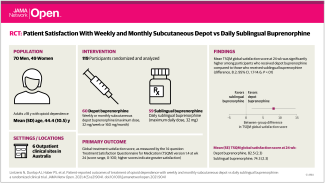
Patient-Reported Outcomes of Treatment of Opioid Dependence With Weekly and Monthly Subcutaneous Depot vs Daily Sublingual Buprenorphine: A Randomized Clinical Trial
Abstract
Importance: Patient-reported outcomes in the treatment of opioid dependence may differ between subcutaneously administered depot buprenorphine and daily sublingual buprenorphine.
Objective: To compare patient satisfaction between...
Staff experiences of encountering and treating outpatients with substance use disorder in the psychiatric context: a qualitative study
Abstract
Background
High comorbidity exists between mental illness and substance use disorders (SUD). Patients in psychiatry living with problematic alcohol or drug consumption can experience a sense of exclusion, where seeking help for...
Cannabis Use in People With Obsessive-Compulsive Symptomatology: Results From a Mexican Epidemiological Sample
Recent studies suggest that the endocannabinoid system could play an important role in the physiopathology of obsessive-compulsive disorder (OCD). There are reports of effective treatment with derivatives of tetrahydrocannabinol (THC). The...
The NIDA Clinical Trials Network: Evolving, Expanding, and Addressing the Opioid Epidemic
Abstract
Over the past two decades, the National Drug Abuse Treatment Clinical Trials Network (CTN), a program of the National Institute on Drug Abuse (NIDA), has expanded from the initial six Nodes to 16 Nodes, as a nationwide consortium...
Addressing Unprecedented Challenges in Management of SUD’s and GBV in the midst of COVID-19
ISSUP Kenya would like to present their Webinar on Addressing Unprecedented Challenges in Management of SUD's and GBV in the midst of COVID-19. The Webinar will explore emerging trends in Substance Use Disorder and Gender-based violence in view of COVID-19 and the correlations between SUD’s and GBV, with special emphasis of the impact of COVID-19.
نشے کی روک تھام اور علاج میں پیشہ ور افراد کا قومی اجلاس
آئی ایس ایس یو پی ایکواڈور آپ کو اپنی دو تقریبات 'نشے کی روک تھام اور علاج میں پیشہ ور افراد کا پہلا قومی اجلاس' میں مدعو کرنے پر خوشی محسوس کرتا ہے۔
این پی ایس صارفین میں ایچ آئی وی / ایچ سی وی کا پھیلاؤ اور خطرے کا رویہ صحت عامہ کا بڑھتا ہوا بوجھ ہے۔
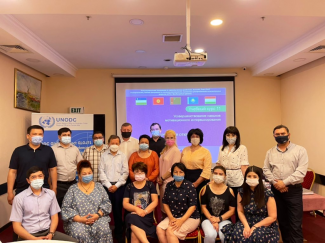
27 اپریل2021ء, یو این او ڈی سی کے علاقائی دفتر برائے وسطی ایشیا ء نے جمہوریہ ازبکستان میں منشیات پر انحصار کے علاج اور ایچ آئی وی کی روک تھام کی خدمات کے ذمہ دار جمہوریہ اور علاقائی سطح کے ماہرین کے لئے ایک تربیتی سیمینار کا انعقاد کیا۔...