


تلاش
 Psychoactive Substances
Psychoactive substances are natural or synthetic substances that act on the central nervous system and alter mental processes such as mood, perception, cognition, consciousness, and behaviour. These substances may be legally prescribed medications (e.g., pain medications or sedatives), legally available substances such as alcohol or caffeine, or controlled or illicit drugs. Psychoactive substances can be used for medical, social, cultural, or recreational purposes, but some carry risks of misuse, dependence, and health or social harms when used in harmful ways.
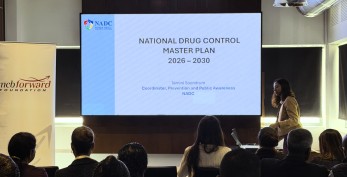
Cigarette/Nicotine use - a Gateway to other drug use?
ISSUP The Gambia are pleased to present their upcoming Webinar on Cigarette/Nicotine use.
New Psychoactive Substances in the Homeless Population: A Cross-Sectional Study in the United Kingdom
Abstract
The last few years have seen the emergence of new psychoactive substances among the homeless population, specifically synthetic cannabinoid receptor agonists. The purpose of this study is to investigate the knowledge and...
The impact of childhood trauma and mental disorders among people with opioid dependence
Tom Santo Jr presented at the NDARC Webinar Series on Thursday, 16 February 2023.
How do childhood trauma and mental disorders affect health, treatment and social outcomes among people with opioid dependence?
Research has found that...
Better Than Well- Recovery Programme to Support Students in England
The consequences of addiction to substances like drugs and alcohol, or engaging in certain behaviours like gambling, gaming, or sex, can be severe. Addiction is often a response to underlying trauma and social stressors, and continued use...
Situation of Homelessness and Substance Use in India and the Impact of COVID-19 Pandemic
Availability of safe and comfortable shelter is one of the elementary human needs essential for both an individual’s survival as well as social development. However, even in the 21st century, about one fifth of the world’s population...
Analysis of the Media Image and Presentation of Direct and Hidden Advertising of Alcohol in Selected Czech Mass Communication Media. Study Protocol
INTRODUCTION: The study protocol is focused on qualitative and quantitative analysis and reflection of the media image and presentation of direct and hidden alcohol advertising in the Czech mass media, with an emphasis on social network...
AddictologyIssue 4/2022
نفسیاتی نسخے منشیات کا غلط استعمال: نشے کے علاج میں منتخب نفسیاتی علامات اور معیار زندگی. مطالعہ پروٹوکول
پس منظر: چیک جمہوریہ میں نفسیاتی نسخے کی ادویات کا غلط استعمال تیزی سے عام ہو گیا ہے. ان منشیات میں سکون آور ادویات، ہپنوٹکس، انزیولائٹکس (بینزوڈیازپائنز اور زیڈ-ہپنوٹکس) اور اوپیوئڈز شامل ہیں۔ ان نسخے والی ادویات کی لت میں مبتلا مریض طویل...
AddictologyIssue 4/2022
Bion’s Basic Assumption Groups in the Regimen Treatment of Addictions: Clinical Implications
This article provides reflection on the potential application of Bion’s model of basic assumption groups in patients undergoing midterm inpatient addiction treatment. The clinical implications are discussed in terms of the usability of Bion...
AddictologyIssue 4/2022
The Amount of Excise Tax and its Effect on the Consumption of Alcohol and Cigarettes in European Countries
BACKGROUND: Tobacco smoking and alcohol consumption are widespread practices that are legal and socially accepted in many societies. One of the common tools to reduce the consumption of these legal drugs is increasing prices. The prices for...
AddictologyIssue 4/2022
Seminar on “Psycho-Education about Drugs and Child Abuse” for Drug Use Prevention in Schools, Colleges and Universities by Department of Psychiatry Poonch Medical College Rawalakot-AJK in Collaboration with ISSUP Pakistan, Pakistan Psychiatric Society AT
Seminar on “Psycho-Education about Drugs and Child Abuse” for Drug Use Prevention In Schools, Colleges, and Universities organized by Department of Psychiatry Poonch Medical Collage Rawalakot-AJK in collaboration with ISSUP Pakistan Chapter...

Cannabis Use, Cannabis Use Disorder, and Comorbid Psychiatric Illness
Abstract
As attitudes toward cannabis, its legal status, and patterns of use continue to evolve, the landscape surrounding this substance is in a constant state of flux. Against this backdrop, this review aims to provide an up-to-date...
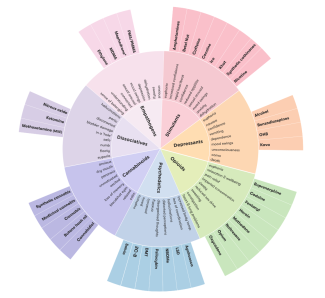
ADF Drug Wheel
The ADF Interactive Drug Wheel classifies drugs as part of seven general categories: Stimulants, Depressants, Cannabinoids, Psychedelics, Opioids, Dissociatives and Empathogens. Find out about the effects of drugs and more information about...
Национальные политики и ключевые заинтересованные стороны в Центральной Азии расширяют свои знания о системе обеспечения качества, связанной с расстройствами, связанными с употреблением наркотиков, посредством тренингов УНП ООН
Региональное представительство УНП ООН в Центральной Азии (РПЦА) провело серию национальных тренингов «Обеспечение качества (ОК) систем лечения расстройств, связанных с употреблением наркотиков», которые прошли с 27 по 28 февраля 2023 года...

Panda - The perfect digital companion on the road to recovery
ISSUP South Africa are pleased to present their Webinar on Panda - The perfect digital companion on the road to recovery.
Habilidades e práticas parentais
A relação entre as crianças e seus pais tem uma grande influência na maioria das esferas do desenvolvimento da criança. Otimizadas, as habilidades, comportamentos e práticas parentais influenciam positivamente na autoestima, no sucesso...

The Language of Stigma and Substance Use Disorder
ISSUP are pleased to present the First Session in the Webinar Series on Stigma and Substance Use. The First Session will be hosted by ISSUP South Africa, with support from ISSUP UK, on the topic of 'The Language of Stigma and Substance Use Disorder'.
Lower buprenorphine elimination rate constant is associated with lower opioid use
Abstract
Background Opioid craving is suggested to correlate with the rate of reduction in buprenorphine (BUP) plasma levels. No studies explored Buprenorphine elimination rate constant (BUP EL.R) as a predictor of opioid use or retention...
Repetitive transcranial magnetic stimulation (rTMS) is associated with increased abstinence in substance use disorders and comorbid depression
BACKGROUND: Substance use disorders (SUDs) are associated with high rates of comorbid depression. Finding effective treatments for many of the substances of abuse is still an area of developing research. Repetitive transcranial magnetic...
SSA Podcast- Relapse: what is it and what does it mean to people who experience it?
In the latest episode of the Addictions Edited podcast, Rob Calder talks to Dr Maike Klein from the University of Bath about her qualitative research into relapse.
They discuss how relapse can be perceived as part of recovery or...
New Psychoactive Substances – Designer Benzodiazepines
ISSUP Pakistan present their Webinar on New Psychoactive Substances – Designer Benzodiazepines.