
ISSUP National Chapter Spotlight
The National Chapters Spotlight Interview is an ISSUP series that highlights the people leading and shaping our National Chapters globally. This Q&A aims to increase the visibility of ISSUP's National Chapters and recognise their contributions to strengthening the global ISSUP network.
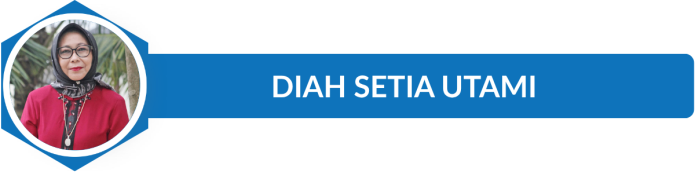
This month’s spotlight is on Diah Setia Utami (ISSUP Indonesia Chairperson), who shares insights into her work, experience, and role within the ISSUP community.
_________________________________________________________________________________
Can you briefly tell us about your professional background and how you became involved with the National Chapter?
I am a psychiatrist focus in addiction treatment, with more than 30 years of professional experience working in the field of substance use treatment and mental health services in Indonesia. My career began at the Drug Dependence Hospital in Jakarta, where I was directly involved in clinical services for individuals affected by substance use disorders. Over the years, I have also served as Director of Mental Health at the Ministry of Health of the Republic of Indonesia and later as Deputy of Rehabilitation at the National Narcotics Board (BNN), contributing to the development of national policies, rehabilitation systems, and capacity building initiatives.
Throughout my professional journey, I have remained committed to strengthening evidence-based approaches and improving the quality of addiction services in Indonesia. My involvement with ISSUP began through professional networking during an international conference, where the idea of establishing an ISSUP National Chapter in Indonesia was first proposed. Recognizing the importance of creating a professional platform for addiction practitioners, I worked together with fellow professionals and practitioners across Indonesia to organize initial meetings and discussions that initiated the formation of the ISSUP Indonesia National Chapter.
The establishment of the National Chapter was driven by a shared need for a dedicated platform that supports addiction professionals in enhancing competencies, accessing up-to-date scientific knowledge, and improving the quality of services provided to individuals and communities affected by substance use. Since then, ISSUP Indonesia has continued to grow as a collaborative space for learning, professional development, and cross-sector engagement.
To you, what three words best describe ISSUP?
Unity, Collaboration, and Empowerment.
These three values are essential for addiction professionals because addressing substance use disorders cannot be carried out by a single profession alone. Effective addiction treatment requires multidisciplinary cooperation among healthcare providers, psychiatrist, psychologist counsellors, researchers, policymakers, and community stakeholders.
ISSUP Indonesia serves as an important platform that brings professionals together, fosters collaboration, and empowers members through shared learning and professional development. At the same time, it provides opportunities to build international networks, allowing Indonesian professionals to connect with global expertise and continuously improve the quality of addiction prevention, treatment, and recovery services.
What do you enjoy most about running ISSUP Indonesia?
What I enjoy most is seeing professionals from various backgrounds clinicians, counsellors, researchers, and policymakers—come together with a shared commitment to improving substance use services. Watching participants grow in confidence and competence through training and collaboration is incredibly rewarding.
Could you share a memorable experience or story that has stayed with you from your time volunteering with ISSUP?
One of the most memorable experiences was organizing the ISSUP Regional Conference 2025 in Bali, Indonesia. The preparation process involved significant challenges at both international and national levels, particularly due to economic policy constraints that created uncertainty about whether the conference could take place as planned.
What made the experience truly meaningful was the strong spirit of unity and collaboration that emerged throughout the journey. Many professionals from Indonesia and abroad generously contributed their time and expertise to help organize the event, serve as speakers, and support the conference in various capacities. The enthusiasm of participants created an inspiring atmosphere that reflected a shared commitment to advancing the addiction workforce.
We also received unwavering support from ISSUP Global, which continuously encouraged us both morally and professionally, while connecting us with international addiction professionals who actively contributed and participated in the conference. In addition, the support from key national stakeholders, including the National Narcotics Board, played an essential role in making the conference possible.
What initially seemed unlikely to happen ultimately became a successful and impactful event. This experience reaffirmed my belief that when people come together with shared purpose and mutual support, even significant challenges can be transformed into collective achievements.
Where do you see ISSUP in the next five years and in the next decade?
In the next five years, I hope that National Chapters across the region will strengthen collaboration through joint training programs, research initiatives, and knowledge exchange related to addiction science and practice. By working more closely together, regional partnerships can create a meaningful chain effect that enhances professional capacity and improves the quality of addiction services beyond national borders.
Looking ahead to the next decade, I believe ISSUP will play a central role globally in shaping standards for addiction professionals, supporting evidence-based policy, and strengthening recovery-oriented systems of care worldwide. Through sustained collaboration and shared learning, ISSUP can continue to bridge science, practice, and policy to address substance use challenges on a global scale.
What has been the impact of ISSUP personally and at a national level in Indonesia?
Personally, ISSUP has expanded my perspective through global collaboration and shared learning. It reinforces the importance of integrating science, compassion, and cultural context in addiction services.
At the national level, ISSUP Indonesia has contributed to workforce development, increased awareness of evidence-based practices, and strengthened collaboration between institutions, practitioners, and policymakers.
What is unique about ISSUP Indonesia? What is your vision for your National Chapter?
ISSUP Indonesia is unique because of its strong spirit of collaboration across sectors—health, education, community organizations, and government partners.
My vision is for ISSUP Indonesia to become a sustainable centre of excellence for addiction professional development, promoting science-based interventions while remaining sensitive to Indonesia’s cultural diversity.
Please share an area of your expertise from working within your National Chapter.
My main area of expertise involves integrating mental health and addiction treatment approaches while strengthening professional competencies through training, research, supervision, and multidisciplinary collaboration.
Can you tell us about something ISSUP Indonesia is leading on in your country?
ISSUP Indonesia is actively leading initiatives focused on professional capacity building and promoting evidence-based prevention and treatment approaches. We are also strengthening partnerships to support workforce development and encourage standardized competencies for addiction professionals across Indonesia.
Anything else you would like to share? Final thoughts or reflections?
ISSUP demonstrates that addressing substance use challenges requires collaboration beyond borders. By investing in training professionals, sharing knowledge, and supporting communities we create lasting impact. I believe ISSUP will continue to inspire collective action toward healthier and more resilient societies.