


Hledat
 Treatment
The range of medical, psychological, and social services designed to help individuals reduce or stop substance use and manage substance use disorders. Treatment may include assessment, counselling and behavioural therapies, medication-assisted treatment, withdrawal management, and support for co-occurring mental or physical health conditions. Effective treatment is typically person-centred and evidence-informed, and may be provided in outpatient, community, or residential settings. Treatment aims to improve health and functioning, reduce substance-related harms, and support individuals in moving toward recovery and long-term wellbeing.


The 2025 Global Adderall Shortage: Clinical Impact, Public Health Risks, and Implications for Substance Use Professionals
The 2025 Global Adderall Shortage: Clinical Impact, Public Health Risks, and Implications for Substance Use Professionals
Author: Benjamin Zohar, NCACIP – Nationally Certified Advanced Addiction Intervention Professional, Founder of Interv...

The Digital Drug
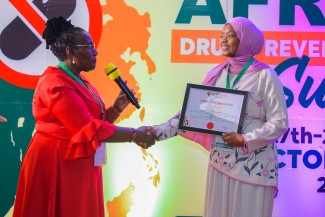
I recently had the privilege of presenting at the Afri-Asia Drug Prevention & Treatment Summit 2025 in Nairobi, Kenya.
The paper, titled “"Screen Addiction vs Substance Addiction: A Neuroscience and Behavioral Science Analysis.,” explored...
Fentanyl in Cocaine: What New York Families Need to Know Right Now
I’m seeing a rise in fentanyl-contaminated cocaine across New York City, Long Island, and the Hudson Valley. I share real cases, warning signs, and harm-reduction strategies families can use—including free 22-panel tests—to prevent fatal overdoses.

Strengthening Leadership in Prevention: Sharing Insights from the Development of an Evidence-Based Workshop
ISSUP Global presents its webinar titled “Strengthening Leadership in Prevention: Sharing Insights from the Development of an Evidence-Based Workshop.”
Integrated Care for Syndemics: Bringing SUD, HIV & HCV Treatment Together
ISSUP Global presents a webinar on Integrated Care for Syndemics: Bringing SUD, HIV & HCV Treatment Together with Dr Sarah Kattakuzhy
Alcohol increases your risk of premature death
Highlights how drinking alcohol increases the risk of dying before the age of 75 (also known as premature death). With simple visuals, shows how many people out of 1,000 could die early based on the number of standard drinks they consume...
Workplace Prevention in Practice Pt.4: Building Resilient and Healthy Work Environments
In this final episode, Associate Professors Goodman Sibeko and Nadine Harker shift the focus from individual-level responses to the organisational systems that shape wellbeing at work. The conversation looks at how workplaces can create...
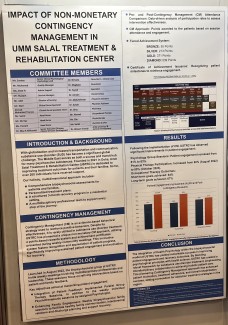
The Impact of Non-Monetary Contingency Management Interventions in Patients' Substance Use Treatment Engagement in Umm Salal Treatment & Rehabilitation Center, Doha Qatar
With globalization and increased transportation and communication, substance use disorder (SUD) has become a significant global challenge. The Middle East serves as both a source and transit hub for many psychoactive substances. Founded in...
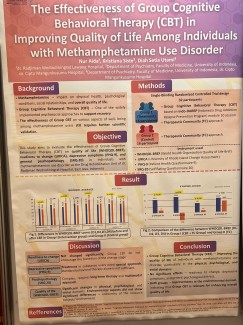
Effectiveness of Group Cognitive Behavior Therapy (CBT) on Improving Quality of Life in People with Methamphetamine Disorder
Background:
Methamphetamine abuse has a devastating impact on physical health, psychological conditions, social relationships, and overall quality of life. One of the widely implemented psychosocial approaches to support recovery is Group...
Transcranial Magnetic Stimulation as an Adjunctive Intervention in an Adolescent with Substance Use Disorder and Co-occurring Behavioral Disorders: A Case Report
Background:
Substance use disorder (SUD) remains a major challenge in the healthcare field, as it is associated with structural and functional alterations in the brain. Adolescents are particularly susceptible to substance use due to the...

From Parenting to Polysubstance Use: The Role of Attachment and Psychosocial Mechanisms in Addiction Vulnerability
Background:
Polysubstance use disorder (PSUD) in adolescents and young adults is often rooted in early family dynamics. Baumrind’s typology—later extended by Maccoby & Martin and the integrative model of Darling & Steinberg—offers a...

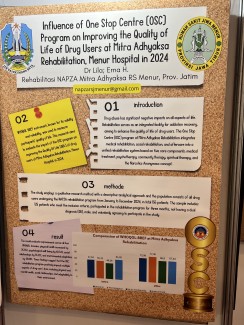
Influence of One Stop Centre (OSC) Program on Improving the Quality of Life of Drug Users at Mitra Adhyaksa Rehabilitation, Menur Hospital in 2024
Drug abuse has significant negative impacts on all aspects of life. Rehabilitation serves as an integrated facility for addiction recovery, aiming to enhance the quality of life of drug users. The One Stop Centre (OSC) program at Mitra...
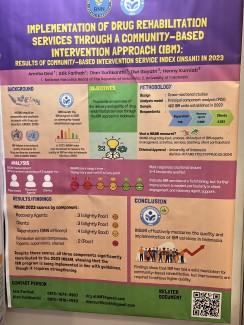
Implementation of Drug Rehabilitation Services Through a Community-Based Intervention Approach (IBM): Results of Community-Based Intervention Service Index (INSANI) in 2023
Background:
Independent and community-based services should be available and easily accessible to drug users (UNODC, 2018). Therefore, the Deputy for Rehabilitation of BNN initiated the IBM Program in 2021. Although IBM services are...
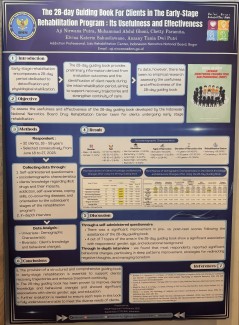
The 28-day guiding book for clients in the early-stage rehabilitation program: its usefulness and effectiveness
Early-stage rehabilitation represents a vital phase in the continuum of care for individuals with substance use disorder (SUD). This phase typically encompasses a 28-day period dedicated to detoxification and both physiological and...
Workplace Prevention in Practice Pt.3: Policy, Ethics, and Compliance in Workplace Prevention
In this episode, Associate Professors Goodman Sibeko and Nadine Harker unpack how workplaces can uphold legal and ethical standards while promoting mental health and preventing substance use.
Prof. Harker discusses what makes a workplace...
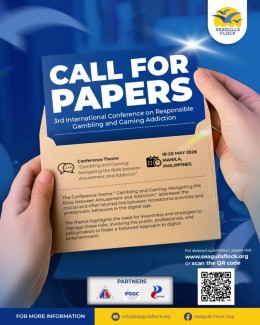
Join the Conversation: 3rd International Conference on Responsible Gambling and Gaming Addiction ( 3rd ICRGGA )
Call for Papers is Now Open!
Share your research, experience, and knowledge to help advance the field.
Seagulls Flock Organization, Inc., in partnership with the Quezon City Local Government Unit, the International Problem Gambling and...
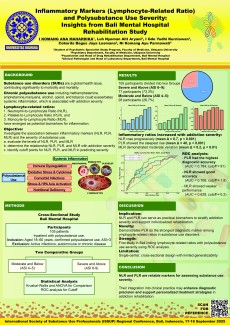
Inflammatory Markers (Lymphocyte-Related Ratio) and Polysubstance Use Severity: Insights from a Bali Mental Hospital Rehabilitation Study
Background:
Substance use disorders (SUDs) are a global health issue, contributing significantly to morbidity and mortality. Chronic polysubstance use exacerbates systemic inflammation, which is associated with addiction severity...
Workplace Prevention in Practice Pt.2: Early Identification and Support in the Workplace
In this third episode, Associate Professor Goodman Sibeko and Associate Professor Nadine Harker discuss how workplaces can identify early signs of substance use and mental health challenges among employees, and respond appropriately before...
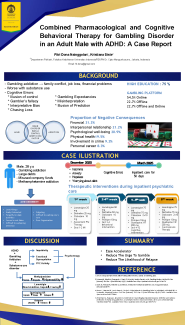
Combined Pharmacological and Cognitive Behavioral Therapy for Gambling Disorder in an Adult Male with ADHD: A Case Report
Background
Individuals who experience gambling addiction often face problems in family relationships, job loss, and financial difficulties. Gambling problems worsen when accompanied by substance use.
Case Presentation
A 28-year-old man was...
ISSUP Nigeria Knowledge Update Series (30th Session): Integrated Behavioural Health Approaches In Substance Use Disorder Prevention, Treatment And Recovery: Bridging Gaps In Service Delivery
ISSUP Nigeria presents the 30th session of its bi-monthly webinar in the Knowledge Update Series. This webinar will focus on the topic 'Integrated Behavioural Health Approaches In Substance Use Disorder (SUD) Prevention, Treatment And Recovery: Bridging Gaps In Service Delivery'.