
Who is ISSUP for?
ISSUP is for everyone who is doing something to address substance use in a variety of settings. This includes health and treatment professionals, prevention practitioners, market disruption and supply, law enforcement, policy makers, and community-led groups like youth and volunteers.
54,097 ISSUP Members worldwide
Map showing distribution of ISSUP members around the world
Conozca nuestros Capítulos Nacionales
ISSUP Newsletter - Issue 227 (15 October 2026)

In this issue, we’re sharing the fourth and final episode of the The Road After Prison: Care, Recovery and Safer Communities podcast with Michael Chaple, alongside a new reading list highlighting key insights from ISSUP 2026 Virtual Conference.
Eventos en línea de ISSUP
Intervenciones psicosociales basadas en la evidencia en los trastornos por consumo de sustancias: implicaciones para la práctica profesional.
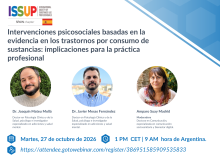
ISSUP Spain lo invita cordialmente a participar en su seminario web sobre Intervenciones psicosociales basadas en la evidencia en los trastornos por consumo de sustancias: implicaciones para la práctica profesional.
Ubicación Online
Fecha 27 October 2026
Explore el Intercambio de Conocimientos
Protecting young people from recruitment into criminal drug networks: Research gaps and priorities for stronger prevention and intervention in the European Union
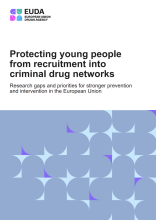
Published by Dr Eoin O’Meara Daly and Helen Fitzgerald, European Union Drugs Agency safe futures project, Research Evidence into Policy, Programmes and Practice School of Law University of Limerick
Fecha 30 Sep 2026
Conéctese usando las redes de ISSUP
Public Health Alert: Cychlorphine, a Highly Potent Emerging Synthetic Opioid

Published by Addiction Policy Forum
Fecha 30 Sep 2026
Cursos y capacitación en línea
The Road After Prison: Care, Recovery and Safer Communities with Michael Chaple Pt.4
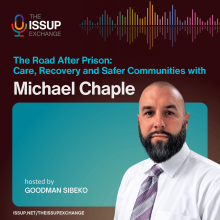
In this fourth and final episode of The Road After Prison: Care, Recovery and Safer Communities, Professor Goodman Sibeko is joined by Michael Chaple to explore how re-entry success can be measured beyond recidivism. Michael discusses the importance of treatment engagement, health and wellbeing, stable housing, employment, financial security, and social reintegration in understanding how people rebuild their lives after incarceration.