Rechercher
 Treatment
The range of medical, psychological, and social services designed to help individuals reduce or stop substance use and manage substance use disorders. Treatment may include assessment, counselling and behavioural therapies, medication-assisted treatment, withdrawal management, and support for co-occurring mental or physical health conditions. Effective treatment is typically person-centred and evidence-informed, and may be provided in outpatient, community, or residential settings. Treatment aims to improve health and functioning, reduce substance-related harms, and support individuals in moving toward recovery and long-term wellbeing.


Current Approach and Treatment of Myocardial Infarction Associated with Cocaine Use
Abstract
Introduction: The global crisis of illicit substance consumption, particularly cocaine, extends beyond individual users, impacting social, cultural, and institutional levels. Cocaine use is associated with a myriad of illicit...
Advancing Advocacy: ISSUP Philippine Chapter's March 2026 Activities
March 2026 has been a productive month for the ISSUP Philippine Chapter, with representatives participating in various events. Each activity reflects the Chapter's continued commitment to working together with government agencies and non...
Preventina (PreventAdvisor)
On 9 March 2026, we officially launched Preventina (PreventAdvisor)—an AI chatbot designed to support prevention science, policy, and practice.
This is not a generic chatbot. Preventina is built on a curated knowledge base of verified...
Strengthening tobacco cessation across the primary health sector in the Americas: progress, gaps, and opportunities since 2007
ABSTRACT
Objective. Tobacco use is a major modifiable risk factor for the four main noncommunicable diseases (NCDs) globally—cardiovascular diseases, chronic respiratory conditions, cancer, and diabetes. Addressing tobacco use through...
Integrated Support for Co-occurring Mental Health and Substance Use Disorders
ISSUP in Pakistan presents a webinar on Integrated Support for Co-occurring Mental Health and Substance Use Disorders
Reimagining Prevention: What Really Works for Youth- From Evidence to Practice to Systems
ISSUP Malaysia presents its upcoming webinar: "Reimagining Prevention: What Really Works for Youth- From Evidence to Practice to Systems. "
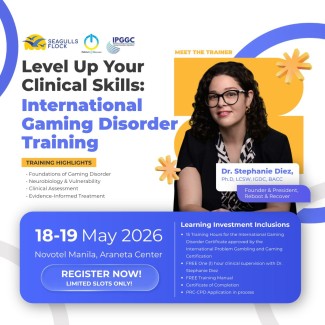
Gaming Disorder Training
Are you seeing more clients—children and adults alike—struggling to unplug? The line between "just one more game" and a clinical disorder is becoming harder to define.
As treatment providers, we must be equipped with the specialized tools...
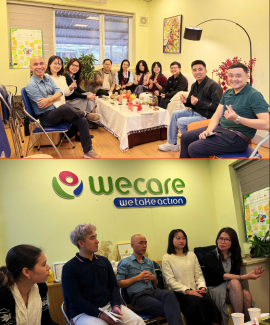
Highlights from WeCare’s Early-Year Gathering on Mental Health and Addiction Support
On February 27, 2026, WeCare Social Enterprise convened a professional gathering at Hanoi Medical University, bringing together practitioners from across Vietnam’s mental health and substance use field. Alongside the organizers, the group...
The efficacy and safety of cannabinoids for the treatment of mental disorders and substance use disorders: a systematic review and meta-analysis
Summary
Background
Mental disorders and substance use disorders (SUDs) are among the leading reasons for which the medical use of cannabinoids has been approved, but their efficacy and safety in treating these conditions is yet to be...
Integrated Support for Co-occurring Mental Health and Substance Use Disorders
ISSUP Global presents a webinar on Integrated Support for Co-occurring Mental Health and Substance Use Disorders.
From Practice to Publication: Sharing Your Work in the Substance Use Field
ISSUP Global presents a webinar titled, "From Practice to Publication: Sharing Your Work in the Substance Use Field."
Skill vs. Disposition: Examining Paths of Intervention Effects in an Alcohol and Drug Use Prevention Trial Targeting U.S. Adolescents
The goal of this study was to evaluate a mediation model of two approaches to deterring the onset of alcohol, cigarette, and marijuana among middle school adolescents. Students completed surveys that included yes/no self-reports about their past 30-day and lifetime alcohol, cigarettes, and marijuana use.

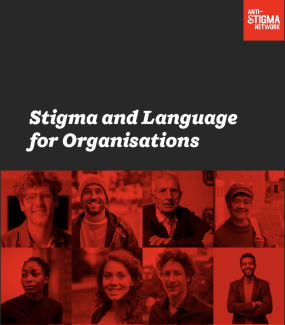
Anti-Stigma Language Guide
We’re really pleased to launch our first report on stigma and language, which you can read on this page or download here.
We hope it will be a useful guide for organisations that are less familiar with the drug and alcohol treatment sector...
Stigma, Substance Use, and the Struggle to Access Rehab
Phoenix Futures provide a wide range of harm reduction, treatment and advocacy services. We have a keen interest, and long history, in addressing stigma and on behalf of the Anti-Stigma Network we seek to broader anti-stigma movement. In...

A Reading List on Responding to Drug-Related Offending through Science-Based Policy and Practice
As justice systems increasingly shift their focus from punishment to rehabilitation, it becomes essential to understand the complex relationship between substance use, criminal behaviour, and treatment, particularly among individuals whose involvement with the system stems from substance use.

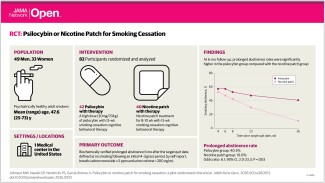
Psilocybin or Nicotine Patch for Smoking Cessation A Pilot Randomized Clinical Trial
Source:
Key Points
Que...
Inside Sri Lankan Homes: Family Experiences of Substance Use
ISSUP Sri Lanka presents a webinar exploring family-centred responses to substance use in Sri Lanka.
Behavioral addiction episode By Ikenna Daniel Molobe
Behavioral addiction episode
By Ikenna Daniel Molobe
Many people who use drugs live in poverty, unemployment, and social isolation. Some become disengaged from education, training, and family life. When ill, they may resort to self...

ISSUP Bangladesh Chapter Launch Ceremony
ISSUP Bangladesh presents the launch of the ISSUP Bangladesh Chapter. Organised in collaboration with Dhaka Ahsania Mission, the ceremony will bring together national and international experts, policymakers, youth leaders, and development partners working in substance use prevention, treatment, and recovery support.
Patterns and predictors of the transition between minimally adequate treatment and effective treatment coverage for mental disorders: results from the World Mental Health Survey
Mental disorders remain widely undertreated, and even when individuals receive care, it is not always consistent with evidence-based guidelines. Using data from the World Mental Health surveys across 21 countries, this study examined how...