

Rechercher
 Treatment
The range of medical, psychological, and social services designed to help individuals reduce or stop substance use and manage substance use disorders. Treatment may include assessment, counselling and behavioural therapies, medication-assisted treatment, withdrawal management, and support for co-occurring mental or physical health conditions. Effective treatment is typically person-centred and evidence-informed, and may be provided in outpatient, community, or residential settings. Treatment aims to improve health and functioning, reduce substance-related harms, and support individuals in moving toward recovery and long-term wellbeing.


Santé mentale et toxicomanie : Liste de lecture
Les problèmes de santé mentale et de toxicomanie sont souvent liés, et il est important que les praticiens soient compétents et bien informés pour identifier et travailler avec les défis potentiels auxquels une personne peut être confrontée...
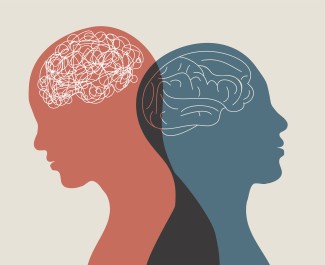
Integrating Substance Use and Mental Health Systems
Historically, substance use and mental health systems and services have operated independently. Yet many people who access substance use services also have mental health disorders. Improving client care means ensuring people can easily...
Comorbidities in Drug Use Disorders: No wrong door
This discussion paper aims to highlight the evidence related to mental and physical health comorbidities in drug use disorders and to promote the development of innovative, evidence-based policies and practices to treat drug use disorders...
Facteurs associés de continuité des soins chez les personnes dépendantes aux substances psychoactives au Centre « La Vie » et à l’hôpital Jamot de Yaoundé
Objectif : L’objectif principal de cette étude était de déterminer les facteurs associés à la continuité des soins chez les personnes dépendantes aux substances psychoactives du Centre « La Vie » et de l’hôpital Jamot de Yaoundé.
Problème...
Faire face à la vie après la prison
Les psychologues jouent un rôle central dans les programmes de réinsertion, mais davantage de recherches et d’investissements sont nécessaires pour aider les personnes incarcérées à réussir leur vie après leur sortie de prison.
Cet article...
Principes généraux de gestion d’urgence pour l’abandon du tabac
La gestion des contingences (GC) est un traitement psychologique basé sur le conditionnement opérant. Il consiste à fournir des incitations en échange de l’atteinte d’un comportement cible tel que l’abstinence ou d’autres variables liées au...
AddictologyIssue 2/2022
Global trends in opioid medicine availability
This webinar presented the latest global and regional trends in the use of opioid analgesics and explore issues related to availability.
Around the world the consumption of opioid analgesics has been increasing, yet millions of people...
A new model of Couples Treatment for Addiction
This Webinar examines a new model of couples treatment for addiction.
The model includes new aspects in the treatment, related to relationship reparation/ forgiveness and aspects of Emotionally-focused couple therapy.
The presentation...
Guerre : Compétences psychologiques pour survivre et faire face aux événements traumatisants
L’ISSUP Ukraine et l’ITTC-Ukraine ont conjointement organisé une initiative consacrée à la guerre en cours et aux événements horribles qui ont résulté de l’attaque russe contre l’Ukraine. Les Ukrainiens vivent actuellement des événements...
Global Adult Tobacco Survey (GATS)-SA: Implementation, Results, and Implications for Policy
ISSUP South Africa, ITTC-SA and SAMRC - GATS-SA, are pleased to present their Webinar Series on Tobacco Use in South Africa.
Le deuil : aider quelqu’un d’autre à la suite d’une perte
À la suite d’une perte, il peut être difficile de prendre soin de ceux que vous aimez et qui sont en deuil. Comme pour les autosoins, il existe de nombreuses façons possibles d’offrir du soutien à une personne en deuil et divers facteurs...
Deuil : prendre soin de soi à la suite d’une perte
Cette fiche d’information, publiée par le Centre national pour le SSPT, traite des façons dont nous pouvons prendre soin de nous-mêmes à la suite d’une perte.
La fiche d’information donne un aperçu du deuil et de certaines des théories et...
Intégrer la pleine conscience dans le traitement des troubles liés à l’utilisation de substances
Cette présentation virtuelle est parrainée par le Centre régional du Sud-Est de l’ATTC et se concentrera sur le soutien à l’éducation et au développement des compétences des fournisseurs qui travaillent avec des personnes atteintes de...
Comment informer les responsables des politiques et les décideurs au sujet des politiques et de la prévention fondées sur des données probantes en matière de consommation de substances
Comment informer les responsables des politiques et les décideurs au sujet des politiques et de la prévention fondées sur des données probantes en matière de consommation de substances.
Matej Košir
Célébration du Mois international de la reprise
La mission Dhaka Ahsania (DAM) célèbre le Mois du rétablissement
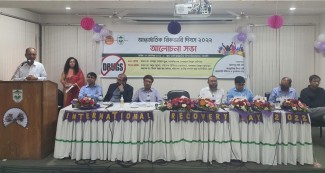
Célébration du Mois international de la reprise
Le directeur général du Département de contrôle des stupéfiants (DNC), M. Abdul Wahab Bhuya, a déclaré que l’attitude négative de la famille et de la société à l’égard des toxicomanes entrave le processus de traitement et de réadaptation...
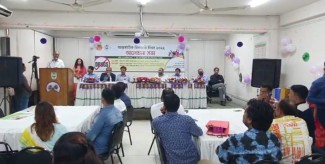
2022-2026 NIDA Strategic Plan
Overview
This strategic plan reflects NIDA’s commitment to advancing all aspects of addiction science - from basic to translational, clinical, and health services research - in the service of enhancing fundamental knowledge and improving...
Alternatives to Conviction or Punishment Available for People Who Use Drugs
Substance/drug use disorders are multifactorial and biopsychosocial health disorders, associated with additional health problems, socio-economic inequalities, violence, criminal behaviour and social exclusion. In addition to the public...