


Rechercher
 Populations
Distinct groups of people within a society who share certain characteristics such as age, gender, geographic location, socioeconomic status, cultural background, or exposure to particular risk factors that may influence patterns of substance use, vulnerability to substance use disorders, and access to services. In the context of substance use systems, identifying and understanding different populations helps guide the design of prevention, treatment, recovery, and policy responses that are appropriate, equitable, and responsive to specific needs. Examples may include youth, women, people experiencing homelessness, individuals in the criminal justice system, or communities affected by specific social or economic conditions.

Trauma exposure across the lifespan among individuals engaged in treatment with medication for opioid use disorder: differences by gender, PTSD status, and chronic pain
Background
There is little research on lifetime trauma exposure among individuals undergoing medication treatment for opioid use disorder (MOUD). A multisite study examined the prevalence of lifetime trauma and explored differences based...
Technology Use and Substance Use Disorder Among Youth
ISSUP presents a webinar on Technology Use and Substance Use Disorder Among Youth.
A Reading List for Public health interventions within the criminal justice system
Public health interventions within the criminal justice system encompass multi-sector approach on strategies and programs designed to divert individuals with substance use disorders away from conventional imprisonment. These interventions...

Co-Creation in Community-Based Prevention
ISSUP, in collaboration with the ICUDDR, presents a webinar on Co-creation in community-based prevention.
Building Inclusive Recovery Cities: An international movement for community building, recovery and prevention.
ISSUP, in collaboration with the Centre for Addiction Recovery Research (CARR), presents its webinar on Building Inclusive Recovery Cities.
This webinar combines key innovations in public-facing recovery programmes that challenge...
Trauma exposure across the lifespan among individuals engaged in treatment with medication for opioid use disorder: differences by gender, PTSD status, and chronic pain
Background: Limited research has been conducted on lifetime trauma exposure among individuals undergoing medication treatment for opioid use disorder (MOUD). A multisite study provided an opportunity to investigate the prevalence of...
People who use drugs engagement in substance use disorder services and harm reduction: evaluation, challenges and future direction of a community-based intervention
Background:
Since 1996, an urban community-based organization has been providing screening, testing, overdose prevention, referrals, and access to treatment for substance use disorders (SUD) and communicable diseases such as HIV through...
A qualitative study of experiences with physical activity among people receiving opioid agonist therapy
Background:
Many people with substance use disorders undergoing opioid agonist therapy often have physical or mental health commorbidities. Exercise is recognised as beneficial for both prevention and treatment of various health conditions...

Trauma exposure across the lifespan among individuals engaged in treatment with medication for opioid use disorder: differences by gender, PTSD status, and chronic pain
There is little study of lifetime trauma exposure among individuals engaged in medication treatment for opioid use disorder (MOUD). A multisite study provided the opportunity to examine the prevalence of lifetime trauma and differences by gender, PTSD status, and chronic pain.
Looking Back: A retirement interview with Jeff Lee
Jeff Lee is well known in the field of drug demand reduction and is a founding figure in the creation of ISSUP. For over four decades, Jeff has played a major role in drug prevention and has undertaken and managed projects in more than 80 countries around the world. Jeff finally retired in March from his role as a Senior Consultant for ISSUP. In a quick chat with Jeff, he offers us a glimpse into his successful career, lessons learned, upcoming adventures and hopes for the future.
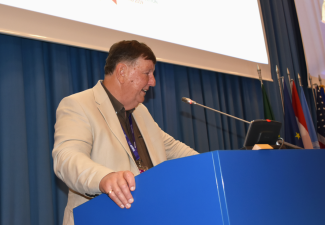
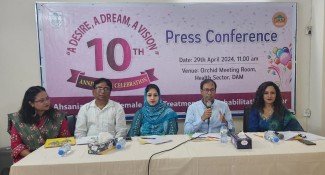
The 10th Anniversary celebrating of Ahsania Mission Women Drug Treatment Centre
Ahsania Mission Female Drug Treatment Center is celebrating its 10th anniversary a significant achievement for women with substance use disorders
The number of female substance users has been increasing alarmingly, but they are lagging...
Join the Power of Collaboration! Sumate al Poder de la Colaboración!
In partnership with ISSUP, we come together to generate global data about the most cross-cutting aspects of the treatment and recovery of women with SUD
Charting Progress: ISSUP Philippines' Contributions to Evidence-Based Drug Policy
In recent weeks, we have continued to prepare the implementation of the activities we outlined in our previous article (https://www.issup.net/knowledge-share/resources/2024-02/progress-and-promise-2024-begins-issup-philippines). Despite...
Neonatal Abstinence Syndrome and its Specifics at Temporary Foster Care Institution in the Czech Republic: Study Protocol
INTRODUCTION: Neonatal Abstinence Syndrome (NAS) is a condition unique to a newborn that results from the abrupt cessation of chronic intrauterine drug exposure following birth. Slightly persistent, late onsetting, or slowly fading-out...
AddictologyIssue 4/2023
Substance Use Disorder in Afghanistan: The Situation and Needs to Address the Issue
INTRODUCTION: More than four decades of war and tragedy have destroyed most of the public infrastructure in Afghanistan. Currently, drug use is a major public health crisis in the country and drug treatment services have extremely limited...
AddictologyIssue 4/2023
Challenges in Implementing an Effective Prevention Program
ISSUP Malaysia presents a webinar on the Challenges in Implementing an Effective Prevention Program
Alcohol intake app Drink Less could cut down unhealthy drinking, say scientists
An app that keeps track of how much a person is drinking could help reduce their alcohol intake by around two units a week – equivalent to a medium glass of wine, scientists say.
Intersections of Substance Use and Suicide: Evidence and Key Take-Aways.
Specific patterns of substance use have been found to correlate with an elevated risk of suicidal thoughts, attempts, and mortality by suicide. However, this relationship is multifaceted and influenced by various intersecting factors...
Drug market trends of Cocaine, Amphetamine-type stimulants and New Psychoactive Substances
Constituting the fourth part of the World Drug Report 2022, this booklet focuses on the market dynamics of various stimulants – cocaine, amphetamines and “ecstasy” – and of NPS.
It contains an analysis of the global market for cocaine...
ATI Basics: Why Alternatives to Incarceration (ATI)?
ISSUP and ICATI webinar on Alternatives to Incarceration.