


تلاش
 Treatment
The range of medical, psychological, and social services designed to help individuals reduce or stop substance use and manage substance use disorders. Treatment may include assessment, counselling and behavioural therapies, medication-assisted treatment, withdrawal management, and support for co-occurring mental or physical health conditions. Effective treatment is typically person-centred and evidence-informed, and may be provided in outpatient, community, or residential settings. Treatment aims to improve health and functioning, reduce substance-related harms, and support individuals in moving toward recovery and long-term wellbeing.


Inauguration of the YOUFEST on Pakistan Independence Day 2022
On August 14, 2022, Sunday was the day of great hustle and bustle at Grace International Rehabilitation Center. The celebrations of the day had a special purpose to disclose the Global Vision 2030 called YOUFEST. The next 8 years of the...

Providing alcohol and other drug treatment in a residential setting
Workers who provide AOD treatment to people in residential settings need to have the most up-to-date and evidenced-based practice approaches at their fingertips.
In this comprehensive resource, you will find research outlining the...
Virtual opioid agonist treatment: Alberta’s virtual opioid dependency program and outcomes
Abstract
Background
Virtually delivered healthcare (telehealth, telemedicine) has the potential to reduce gaps in access to opioid agonist therapy (OAT). Barriers to accessing OAT such as lack of transportation, in-person induction...
Autocontrole numa sociedade estressada – Palestra do Dr. Augusto Cury
Dr. Augusto Cury, em sua palestra no 7º Congresso Freemind, fala sobre como manter o autocontrole numa sociedade estressada e intoxicada digitalmente
Na história do Freemind, duas pessoas foram, são e serão sempre muito importantes: Pad...
Supporting children and youth: Reading list
Explore resources and reading on science-based drug prevention including those from the UNODC Listen First initiative.

Patient Perceptions About Opioid Risk Communications Within the Context of a Randomized Clinical Trial
Abstract
Importance Opioid overdose rates continue to increase, and extant literature suggests that many individuals who use heroin were first introduced to opioids through a medical prescription.
Objective To explore patient...
Preventing Drug Use among Children and Adolescents
Today’s youth face many risks, including drug abuse, violence, and HIV/AIDS. Responding to these risks before they become problems can be difficult. One of the goals of the National Institute on Drug Abuse (NIDA) is to help the public...
Navigating the complexity of harm and care: a qualitative study of self-harm and alcohol use
Watch the video of the SHAAP/SARN 'Alcohol Occasionals' webinar, held over Zoom on 23 May 2022: "Navigating the complexity of harm and care: a qualitative study of self-harm and alcohol use" by Dr Amy Chandler and Annie Taylor from the...
Care for co-occurring heavy alcohol use & depression
Watch the video of the SHAAP/SARN 'Alcohol Occasionals' webinar, held over Zoom on 21 June 2022:
"‘I’m just getting the impression I have to sort myself out’: How people with co-occurring heavy alcohol use and depression describe the care...
UNODC discussed the protection of adolescents and young people from psychoactive and narcotic drugs at a round table “Youth for a healthy lifestyle”
On 10 August, 2022, UNODC jointly with the representatives of ministries and state departments of the Republic of Uzbekistan, members of the Youth Parliament at the Legislative Chamber and the Senate of the Oliy Majlis (Parliament), as well...

Is a brain-based understanding of addiction predominant?
Abstract
Introduction
Brain-based explanations of addiction have become a prominent explanatory model in recent decades. Although opposing views have been published, there is no large-scale study of researchers' opinions, unlike for...
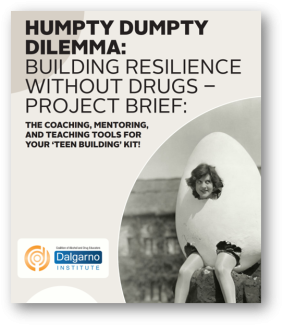
The Humpty Dumpty AOD Resilience Project
This 12 video and PowerPoint resource, is a ‘learning together’ evidence-based teaching and learning series. It is aimed at assisting teachers, parents, mentors, and/or coaches to develop aspects of resilience in the emerging adult...
Association of Methamphetamine and Opioid Use With Nonfatal Overdose in Rural Communities
Abstract
Importance Overdoses continue to increase in the US, but the contribution of methamphetamine use is understudied in rural communities.
Objective To estimate the prevalence of methamphetamine use and its correlates among people...
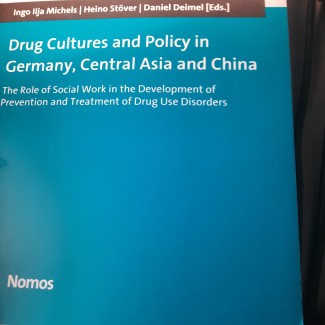
Drug Cultures and Policy in Germany, Central Asia and China
This volume emerged from the 25th International Week at Frankfurt University of Applied Sciences. The contributions it contains are based on papers that examine social work in the areas of drug use and treatment, HIV/AIDS and other...
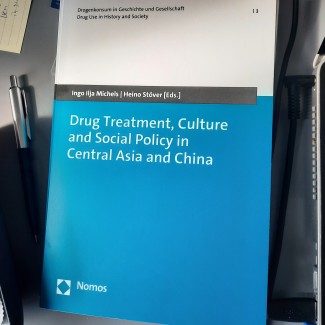
Drug Treatment, Culture and Social Policy in Central Asia and China
Central Asia (CA) and China are key regions in terms of international efforts to tackle illicit drug trafficking and the problems related to it such as addiction. Modern and effective approaches to treating drug use disorders, according to...
UTC Report in Benue state, Nigeria dated 1st August 2022.
The training on Universal Treatment Curriculum 1 & 2 organized by Foundation for Changing Lives Against Substance Abuse (FOCLASA) took place between 1st to 6th August, 2022 at the conference hall of Smile View Hotel, Makurdi, Benue State, Nigeria.

Interdisciplinary collaboration in the treatment of alcohol use disorders in a general hospital department: a mixed-method study
Background
In somatic health care settings, interdisciplinary collaborations (where various disciplines work coordinated and interdependently toward shared goals) are considered to yield higher team effectiveness than multidisciplinary...
Perspectives of service providers on aftercare service provision for persons with substance use disorders at a Rural District in South Africa
Background
Aftercare programs for people with substance use disorders (PWSUD) are frequently challenged with a number of overlapping obstacles, including uncertain policy consequences and a lack of resources. Despite demographic variety...
Cigarro eletrônico: lobo em pele de cordeiro.
Mitos e verdades sobre o Cigarro Eletrônico e os dispositivos Eletrônicos para Fumar
A Organização Mundial da Saúde – OMS – considera o tabagismo um importante problema de saúde pública e uma das principais causas de morte passíveis de...

Effect of a Peer-Led Behavioral Intervention for Emergency Department Patients at High Risk of Fatal Opioid Overdose A Randomized Clinical Trial
Abstract
Importance Fatal and nonfatal opioid overdoses are at record levels, and emergency department (ED) visits may be an opportune time to intervene. Peer-led models of care are increasingly common; however, little is known about...