
Search
 Treatment
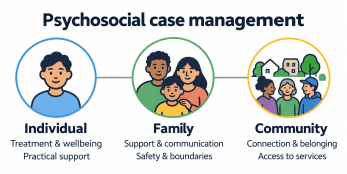
The range of medical, psychological, and social services designed to help individuals reduce or stop substance use and manage substance use disorders. Treatment may include assessment, counselling and behavioural therapies, medication-assisted treatment, withdrawal management, and support for co-occurring mental or physical health conditions. Effective treatment is typically person-centred and evidence-informed, and may be provided in outpatient, community, or residential settings. Treatment aims to improve health and functioning, reduce substance-related harms, and support individuals in moving toward recovery and long-term wellbeing.



Family Drug and Alcohol Courts in Northern Ireland (FDAC)
ISSUP UK are pleased to present their Webinar on the Family Drug and Alcohol Courts in Northern Ireland (FDAC).
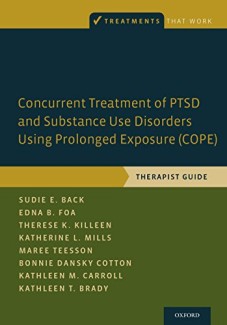
Concurrent Treatment of PTSD and Substance Use Disorders Using Prolonged Exposure (COPE): Therapist Guide (Treatments That Work)
Concurrent Treatment of PTSD and Substance Use Disorders Using Prolonged Exposure (COPE) is a cognitive-behavioral psychotherapy program designed for patients who have posttraumatic stress disorder (PTSD) and a co-occurring alcohol or drug...
PTSD Consultation Program: Lecture Series
On the third Wednesday of each month, the PTSD Consultation Program hosts a webinar on a topic relevant to treating PTSD. Topics are selected based on questions providers are bringing to the PTSD Consultation Program and invite an expert in...
DESK REVIEW: Support for People with Substance Use Disorder in Ukraine During the War
Summary
War in Ukraine has inevitably led to the country's health system functioning at reduced capacity. Attacks near hospitals and active military operations force people to change their place of residence and flee from the war to safer...
Effects of a brief pre-admission telephone reminder on no-show and dropout rates in substance use disorder treatment: a quasi-experimental study
Background
Appointment no-show and early dropout from treatment represent major challenges in outpatient substance use disorder treatment, adversely affecting clinical outcomes and health care productivity. In this quasi-experimental...
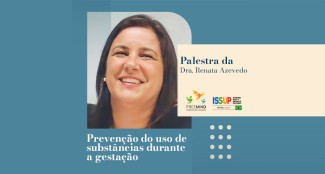
Prevention of substance use during pregnancy - Lecture by Dr. Renata Azevedo
Drug use in Brazil is a real public health problem. When used in a problematic way, it can provoke or increase family crises and violence.
The use or dependence of psychoactive substances by pregnant women is quite worrying, since...
A Comparative Account on Ethical Considerations in Practice of Clinical Psychology
Background: Practice in the clinical psychology is knitted closely to the trust and rapport building with the client. This trust is supported by the set of ethical considerations being proposed by the APA Ethical Code. It helps to build...
The Effectiveness of a Web-Based Self-Help Program to Reduce Alcohol Use Among Adults With Drinking Patterns Considered Harmful, Hazardous, or Suggestive of Dependence in Four Low- and Middle-Income Countries: Randomized Controlled Trial
Abstract
Background:Given the scarcity of alcohol prevention and use disorder treatments in many low- and middle-income countries (LMICs), the World Health Organization has launched an eHealth portal that includes the web-based self-help...
Web-Based Intervention to Reduce Substance Abuse and Depressive Symptoms in Mexico: Development and Usability Test
Abstract
Background:The development of Web-based interventions for substance abuse in Latin America is a new field of interest with great potential for expansion to other Spanish-speaking countries.
Objective:This paper describes a...
Training on the Management of Substance Use Disorders
On August 20, 2022, in the Kinnaird Center for Learning and Cultural Development (KCLCD) Lahore, a one-day skills workshop for students of Professional Certification in Clinical Psychology (PCCP) batch II was organized.
Dr. Nazish Idrees...

Inauguration of the YOUFEST on Pakistan Independence Day 2022
On August 14, 2022, Sunday was the day of great hustle and bustle at Grace International Rehabilitation Center. The celebrations of the day had a special purpose to disclose the Global Vision 2030 called YOUFEST. The next 8 years of the...

Providing alcohol and other drug treatment in a residential setting
Workers who provide AOD treatment to people in residential settings need to have the most up-to-date and evidenced-based practice approaches at their fingertips.
In this comprehensive resource, you will find research outlining the...
Virtual opioid agonist treatment: Alberta’s virtual opioid dependency program and outcomes
Abstract
Background
Virtually delivered healthcare (telehealth, telemedicine) has the potential to reduce gaps in access to opioid agonist therapy (OAT). Barriers to accessing OAT such as lack of transportation, in-person induction...
Self-control in a stressed society – Lecture by Dr. Augusto Cury
Dr. Augusto Cury , in his lecture at the 7th Freemind Congress, talks about how to maintain self-control in a stressed and digitally intoxicated society
In the history of Freemind, two people have been, are and will always be very...

Supporting children and youth: Reading list
Explore resources and reading on science-based drug prevention including those from the UNODC Listen First initiative.

Patient Perceptions About Opioid Risk Communications Within the Context of a Randomized Clinical Trial
Abstract
Importance Opioid overdose rates continue to increase, and extant literature suggests that many individuals who use heroin were first introduced to opioids through a medical prescription.
Objective To explore patient...
Preventing Drug Use among Children and Adolescents
Today’s youth face many risks, including drug abuse, violence, and HIV/AIDS. Responding to these risks before they become problems can be difficult. One of the goals of the National Institute on Drug Abuse (NIDA) is to help the public...
Navigating the complexity of harm and care: a qualitative study of self-harm and alcohol use
Watch the video of the SHAAP/SARN 'Alcohol Occasionals' webinar, held over Zoom on 23 May 2022: "Navigating the complexity of harm and care: a qualitative study of self-harm and alcohol use" by Dr Amy Chandler and Annie Taylor from the...
Care for co-occurring heavy alcohol use & depression
Watch the video of the SHAAP/SARN 'Alcohol Occasionals' webinar, held over Zoom on 21 June 2022:
"‘I’m just getting the impression I have to sort myself out’: How people with co-occurring heavy alcohol use and depression describe the care...
UNODC discussed the protection of adolescents and young people from psychoactive and narcotic drugs at a round table “Youth for a healthy lifestyle”
On 10 August, 2022, UNODC jointly with the representatives of ministries and state departments of the Republic of Uzbekistan, members of the Youth Parliament at the Legislative Chamber and the Senate of the Oliy Majlis (Parliament), as well...