
खोज
 Psychoactive Substances
Psychoactive substances are natural or synthetic substances that act on the central nervous system and alter mental processes such as mood, perception, cognition, consciousness, and behaviour. These substances may be legally prescribed medications (e.g., pain medications or sedatives), legally available substances such as alcohol or caffeine, or controlled or illicit drugs. Psychoactive substances can be used for medical, social, cultural, or recreational purposes, but some carry risks of misuse, dependence, and health or social harms when used in harmful ways.

Webinar: ISSUP Ukraine - Clinical Aspects of Substance Use Disorders
On Thursday, July 2, 2020 ISSUP Ukraine presented a webinar on Clinical Aspects of Substance Use Disorders. The webinar was presented in Ukrainian and Russian.
World Drug Report 2020
Presented in six separate booklets, the World Drug Report 2020 provides a wealth of information and analysis to support the international community in implementing operational recommendations on a number of commitments made by Member States...
Mental Health and Smoking Cessation
Smoking rates among people with a mental health condition are significantly higher than in the general population.
Research has also found that individuals with mental health issues who smoke are more likely to smoke heavily and extract...
Informe Sobre La Sociedad Civil Y El Abordaje De Las Adicciones En El Contexto Del Covid-19
Herramientas, estrategias y dispositivos desarrollados por las Ong’s miembros de FONGA con el objetivo de garantizar la continuidad de la atención psicosocial y educativa en el contexto del COVID-19.
OBJETIVO
El presente proyecto se...
Relatório Mundial sobre Drogas 2020
Consumo global de drogas aumenta, enquanto COVID-19 impacta mercados, aponta Relatório Mundial sobre Drogas 2020, divulgado no dia 25 de junho de 2020 pelo Escritório das Nações Unidas sobre Drogas e Crime (UNODC).
O Relatório mostra que...
Words Matter - Terms to Use and Avoid When Talking About Addiction
This page offers background information and tips for providers to keep in mind while using person-frst language, as well as terms to avoid to reduce stigma and negative bias when discussing addiction.

WHO Management of Alcohol Withdrawal
Alcohol withdrawal can be uncomfortable and occasionally life threatening. Pharmacological management of alcohol withdrawal is an essential component of alcohol dependence. Benzodiazepines (BZDs), nonsedating anticonvulsants and...
World Drug Day
The International Day Against Drug Abuse and Illicit Trafficking, also known as 'World Drug Day', is celebrated annually on 26 June. The theme of World Drug Day 2020 is "Better Knowledge for Better Care."
The field of addressing the drug...
Overview of University-based Academic Programmes in Addiction Studies in Africa
Abstract
Aim: The aim was to map and describe the university-based addiction studies programs in Africa, as part of continuing international research.
Methods: The study was conducted in 2016–2017. The first phase was based on Google and...

COVID-19: Online and Remote Resources for Addiction Support
The National Institute on Drug Abuse has put together information on the potential implications of this pandemic on those who struggle with substance use disorder.
The social distancing that is required during this COVID-19 outbreak has...
Better Knowledge for Better Care: Changing Substance Use Treatment and Prevention Narratives in Nigeria
International Day against Drug Abuse and Illicit Trafficking
Better Knowledge for Better Care
Changing Substance Use...

Helping People With Addiction Stay Connected During COVID-19
This webinar is the first in a series called “Supporting People With Addiction During COVID-19”, hosted by the National Academy of Medicine and the American Society for Addiction Medicine.
Advocating for Addiction Science Programs at the University Level
Matej Kosir, Director, the Utrip Research and Development Institute (UTRIP) discusses how to successfully advocate for new university programming on drug demand reduction.
Caring for Patients with Chronic Pain: Perspectives from Clinicians -Opioid Collab Listening Session
The Action Collaborative on Countering the U.S. Opioid Epidemic held a web-based listening session that focused on the perspectives and experiences of clinicians caring for patients with chronic, non-cancer pain.
This is a recording of...
Access to Drug Treatment Services in Nigeria: The Challenge of Addiction Workforce
Presentation by Drs. Chia Francis and Mashika Esther
This webinar will illuminate the level of drug use in Nigeria, efforts made so far to address access to drug abuse treatment services in Nigeria, and details of a study regarding access...
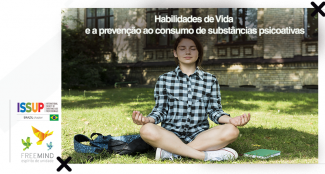
Habilidades de Vida e a prevenção ao consumo de substâncias psicoativas
De acordo com Botvin (2004) e Sloboda (2004) há evidências empíricas que os programas de prevenção, como o de Habilidades de Vida, baseados no conhecimento, identificação dos fatores de risco e desenvolvimento de habilidades psicossociais...
Webinar: ISSUP South Africa – Cannabis and the Youth in South Africa
ISSUP Global and ISSUP South Africa brought Siphokazi Dada, to present on the subject of Cannabis Use amongst South African use. The trends, the policy changes and data on the impact of the decriminalisation to review the changes in demand and cannabis related problems.
Webinar: ISSUP South Africa - COVID-19 ~ What can be done through us
This first webinar from ISSUP South Africa focusses upon the toll of Covid-19 upon social factors, which can thereby affect substance use disorders.
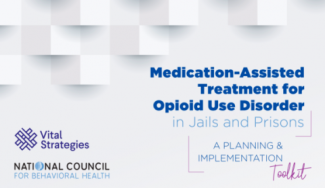
Medication-Assisted Treatment (MAT) for Opioid Use Disorder in Jails and Prisons
People who have been incarcerated are approximately 100 times more likely to die by overdose in the first two weeks after their release than the general public. Despite high rates of opioid use disorder among justice-involved individuals...