

Buscar
 Psychoactive Substances
Psychoactive substances are natural or synthetic substances that act on the central nervous system and alter mental processes such as mood, perception, cognition, consciousness, and behaviour. These substances may be legally prescribed medications (e.g., pain medications or sedatives), legally available substances such as alcohol or caffeine, or controlled or illicit drugs. Psychoactive substances can be used for medical, social, cultural, or recreational purposes, but some carry risks of misuse, dependence, and health or social harms when used in harmful ways.

Para-Methoxymethamphetamine (PMMA) in tablets sold as ecstasy: Why this matters across our workforce
UNODC reports increasing PMMA detections in tablets sold as ecstasy in Europe, raising serious toxicity concerns. The alert encourages coordinated information sharing across prevention, treatment, recovery and law enforcement. It does not confirm local circulation, but prompts a review of local early warning responses.

Connecting Evidence, Prevention, Law Enforcement and Community Action: Key Insights from ISSUP 2026
How do we go about translating evidence into effective action, strengthen prevention, address drug-related crime, improve access to treatment and recovery support, and build safer, healthier communities?
This age-old question was explored...

WHO Expert Committee on Drug Dependence: forty-eighth report
The forty-eighth meeting of the WHO Expert Committee on Drug Dependence (ECDD) was convened from 20 to 22 October 2025 and was coordinated from WHO headquarters in Geneva. The forty-eighth WHO ECDD critically reviewed four substances...
A scoping review of spirituality in relation to substance use disorders: Psychological, biological, and cultural issues
This scoping review explores the role of spirituality in substance use disorders (SUD) across psychological, biological and cultural dimensions. It reviews research on topics including spiritual awakening, drug craving, psychedelic-assisted...
Religion and Spirituality in Addiction Recovery
This scoping review examines the role of spirituality in substance use disorders across three interconnected areas: psychology, biology, and culture. It explores topics including spiritual awakening, the relationship between spirituality...
Evaluating the Efficacy of Repetitive Transcranial Magnetic Stimulation (rTMS) on Craving Reduction and Relapse Prevention in Alcohol and Opioid Use Disorders: A Randomized Controlled Trial
|
Background: High relapse rates in alcohol (AUD) and opioid (OUD) use disorders remain a major treatment challenge. This study investigated the efficacy of repetitive transcranial magnetic stimulation (rTMS) for sustained... |

Structural and Regulatory Deficits in Alcohol Control Policy: A Critical Evaluation of Advertising Governance and Treatment Systems in Nigeria NAPMIP 2026-2030 (formerly DRAFT NNAP 2025)
|
Nigeria ranks among countries with the highest alcohol consumption rates among individuals aged 15 and above, posing adverse public health risks. On one hand, excessive advertising, and aggressive marketing strategies has... |

New Synthetic Drugs Increase Overdose Risks in Scotland
Scotland’s illicit drug market is becoming increasingly complex with the emergence of highly potent synthetic substances, including synthetic cannabinoids and opioids such as nitazenes. Some of these substances can be considerably more...

Recent U.S. drug alerts: Turning emerging evidence into workforce preparedness
Recent United States alerts on fentanyl analogues, medetomidine, cychlorphine, drug mixtures and concentrated 7-OH products highlight evolving challenges across the substance use workforce. They invite us to review local preparedness, understand testing limitations and strengthen links between frontline services, laboratories and public-health partners. A useful response brings together clinical, prevention, recovery and peer perspectives, with clear responsibilities for turning relevant findings into action. For the global ISSUP community, these alerts offer lessons in preparedness while requiring careful consideration of local evidence, resources and service arrangements. Staying informed through trusted sources and sharing practical responses through ISSUP can help translate emerging knowledge into safer care and more responsive support for individuals, families and communities.

Synthetic cannabinoids: Reflections from Mauritius
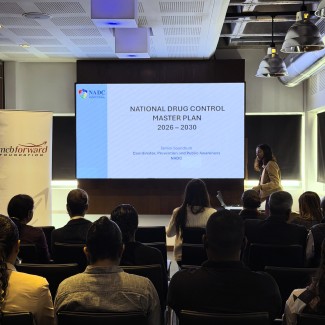
During a recent engagement in Mauritius, I had the opportunity to hear the National Agency for Drug Control (NADC) present the National Drug Control Master Plan 2026–2030 and to share the suite of resources available through ISSUP. This...
The prevalence, risk and protective factors and service needs in relation to the comorbidity of substance use and neurodiversity
This report was commissioned by Citywide because Community Drugs Projects had recognised a need for support to develop better service delivery for people who were neurodivergent. Citywide Drugs Crisis Campaign is a national network of...
Humanitarian settings and Use of Substances: CBT as a model of care
ISSUP Kazakhstan, ISSUP Indonesia and ISSUP Sri Lanka, presents a three-part part webinar series on Cognitive Behavioural Therapy (CBT) in the Treatment of Substance Use Disorders.
Behind the Infamous ”Sabu”: The Social and Psychiatric Burden of Methamphetamine Use in Indonesia
ISSUP Indonesia , ISSUP Sri Lanka and ISSUP Kazakhstan, presents a three-part part webinar series on Cognitive Behavioural Therapy (CBT) in the Treatment of Substance Use Disorders.
The product may not be what it says: What emerging synthetic drugs and dangerous mixtures mean for practice
The clearest message from our recent ISSUP Global webinar was a simple but important one: we should stop assuming that an unregulated drug product contains only what it is sold as containing. That uncertainty now has direct implications for prevention, clinical care, recovery support, toxicology, law enforcement, policy and the administration of justice.
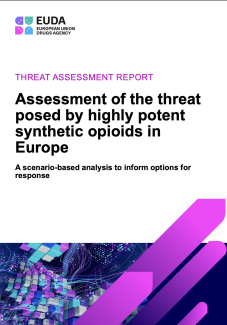
Assessment of the threat posed by highly potent synthetic opioids in Europe
This threat assessment examines the potential risks posed by highly potent synthetic opioids (HPSOs) in Europe over the next two years. Drawing on early warning data, forensic and clinical evidence, and expert input, the report explores how...
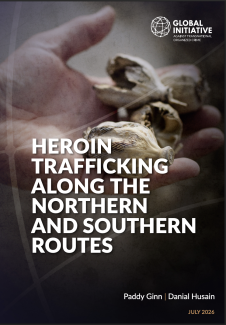
Heroin Trafficking Along the Northern and Southern Routes: Emerging Trends and Strategic Implications
This paper examines how heroin trafficking routes from Afghanistan into Europe have evolved following the Taliban's return to power in 2021. It explores the changing dynamics of the northern and southern trafficking routes, highlighting how...
The Role of Faith Communities in Addressing Substance Use and Crime – Reading List (Part 2)
In this second reading list, we continue exploring the growing evidence on the role and contribution of faith communities and faith-based organisations in addressing substance use and crime, with a particular focus on treatment engagement...

Spirituality and Harmful or Hazardous Alcohol and Other Drug Use
This meta-analysis synthesises evidence from 55 longitudinal studies involving more than 540,000 participants to examine the relationship between spirituality and harmful or hazardous alcohol and other drug (AOD) use. The findings...

Association Between Religiosity and Spirituality and Cocaine Use: A Systematic Review
This systematic review examines the association between religiosity, spirituality, and cocaine use by analysing findings from 20 observational studies involving adults and adolescents. Most studies found that higher levels of religiosity...
Suboxone, Kratom, and 7-Hydroxymitragynine (7-OH): A Guide to Withdrawal Risks, Buprenorphine Treatment, and Clinical Considerations
Kratom, 7-OH, and Suboxone: Withdrawal, Blocking Effects, and Treatment Options
Quick answer: Yes, Suboxone can block the effects of kratom because buprenorphine binds strongly to the brain’s opioid receptors. However, taking Suboxone too...