खोज
 Treatment
The range of medical, psychological, and social services designed to help individuals reduce or stop substance use and manage substance use disorders. Treatment may include assessment, counselling and behavioural therapies, medication-assisted treatment, withdrawal management, and support for co-occurring mental or physical health conditions. Effective treatment is typically person-centred and evidence-informed, and may be provided in outpatient, community, or residential settings. Treatment aims to improve health and functioning, reduce substance-related harms, and support individuals in moving toward recovery and long-term wellbeing.


Ecolink Institute successfully completes six batches for UTC full course
The Ecolink Institute based in India and an approved training provider of the Colombo Plan has successfully completed six (6) international batches for UTC Curriculum 1-8 and initiated to ICAP Credentialing Examination. The students draw...
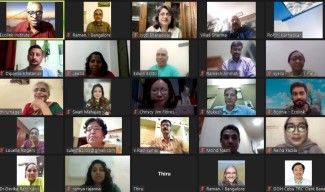
Ecolink conducts special session on Relapse prevention
Ecolink Institute has conducted a special workshop on "Relapse prevention" on May 5 for over 40 therapists who are attached to Addiction Recovery Coach Online, a therapy wing of the Institute. Dr.Thirumagal V conducted the workshop on...
Implementing Adolescent SBIRT
Screening, Brief Intervention, and Referral to Treatment (SBIRT) is an evidence-based approach to early intervention of substance use.
This mixed-methods evaluation assessed the implementation of an adolescent SBIRT change package across...
Peer-facilitated treatment access for hepatitis C: The Live Hep C Free project
This article explores the lessons learned during the implementation of a peer-facilitated hepatitis C virus hepatitis C testing and treatment access project called the Live Hep C Free project in contributing to micro-elimination efforts.
T...
Words Matter Language Guide
The need to change our language in relation to people who use drugs has become an increasing topic of discussion, but there is still a long way to go. People who use drugs are highly diverse and their relationship with drug use takes many...
Peer to Peer User Guide-Drug and Alcohol Peer to Peer Prevention Program
This guide is developed to facilitate the work of Peer Counsellors in training Peer Educators in substance abuse prevention. It is based on the experience from the peer to peer drug prevention programs conducted by UYDEL. This peer to peer...
Severe bacterial infections in people who inject drugs: The role of injection-related tissue damage
Abstract
Background
In the context of the current U.S. injection drug use epidemic, targeted public health harm reduction strategies have traditionally focused on overdose prevention and reducing transmission of blood-borne viral...
Assessing the feasibility, usability and acceptability of the MySafeRx platform among individuals in outpatient buprenorphine treatment: Lessons learned from a pilot randomized controlled trial
Abstract
Background
Increasing buprenorphine/naloxone (B/N) access for opioid use disorder (OUD) is essential yet ensuring adherence and preventing diversion remains challenging. This study examines the feasibility, usability, and...
Structural violence and the need for compassionate use of methadone in Mexico
Abstract
Background
Epidemiological data from Mexico have documented an increase in heroin use in the last decade. However, there is no comprehensive care strategy for heroin users, especially those who have been accused of a crime. The...
Neurofeedback for opioid dependent patients in an outpatient setting: a pilot feasibility study
Background
When used in combination with other therapies for drug use disorders, neurofeedback (NF) has been classified as "probably effective," according to recent research in the community of people with opioid use disorder. Despite...
Prisons and drugs: health and social responses
This miniguide is one of a larger set, which together comprise Health and social responses to drug problems: a European guide. It provides an overview of what to consider when planning or delivering health and social responses to drug...
The role of specialist addiction nurses in alcohol treatment
A recent study has found that embedding specialist Addiction Nurses within general practice teams can help address alcohol problems in deprived areas.
In this blog, the lead author Dr Andrea Mohan examines why the role of the Addiction...
White House Releases 2022 National Drug Control Strategy that Outlines Comprehensive Path Forward to Address Addiction and the Overdose Epidemic
Today, President Biden sent his Administration’s inaugural National Drug Control Strategy to Congress at a time when drug overdoses have taken a heartbreaking toll, claiming 106,854 lives in the most recent 12-month period. The Strategy del...
Schools and drugs: health and social responses
A new handy mini guide by the European Monitoring Centre for Drugs and Drug Addiction (EMCDDA) on evidence-based policymaking for prevention of drug use in schools and educational settings.
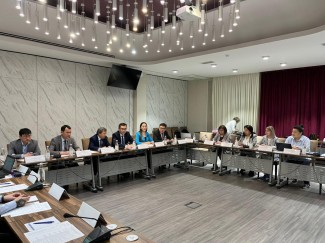
Introduction of new methods and tools for drug use disorders diagnostics and treatment discussed in Kazakhstan
On April 15, 2022, the UNODC Regional Office for Central Asia in collaboration with the Republican Scientific and Practical Center for Mental Health held a “National Round Table Discussion on the application of new methods and tools of drug...
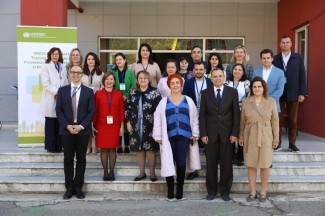
UNODC Training for Albanian Policymakers on the Nature, Prevention, Treatment and Care of Drug Use Disorders
UNODC organized a training for 19 Albanian policymakers on the Nature, Prevention, and Treatment of Drug Use Disorders from 12-14 April 2022 in Tirana, Albania. Participants from the Ministries of Health and Social Protection, Education...
Introduction of new methods and tools for drug use disorders diagnostics and treatment discussed in Tajikistan
On 8 April 2022 UNODC conducted a national round table meeting on the introduction of new methods and tools for drug use disorders diagnostics and treatment in Dushanbe, Tajikistan.
The event brought together some 20 experts from the...

The Intersection Between Substance Use Disorder and Human Trafficking
ISSUP Kenya would like to present their next Bi-Monthly Webinar on The Intersection Between Substance Use Disorder and Human Trafficking.
This Webinar will discuss:
- Nature of Substance Use Disorder
- The connection between human...

Call for Master Trainers for the Case Care Management Project
Brief Description:
The Executive Secretariat of the Inter-American Drug Abuse Control Commission (ES-CICAD) is seeking expressions of interest from experts in the field of alternatives to incarceration and social integration to be trained...
Kenya introduces tax on alcohol advertising
A 15% tax on fees charged by television stations, print media, billboards, and radio stations for advertisements of alcohol products, gaming, and gambling has been proposed in the 2022/23 budget.
Here you can read the news article...