| 25-27 August 2026 Kuching, Sarawak, Malaysia
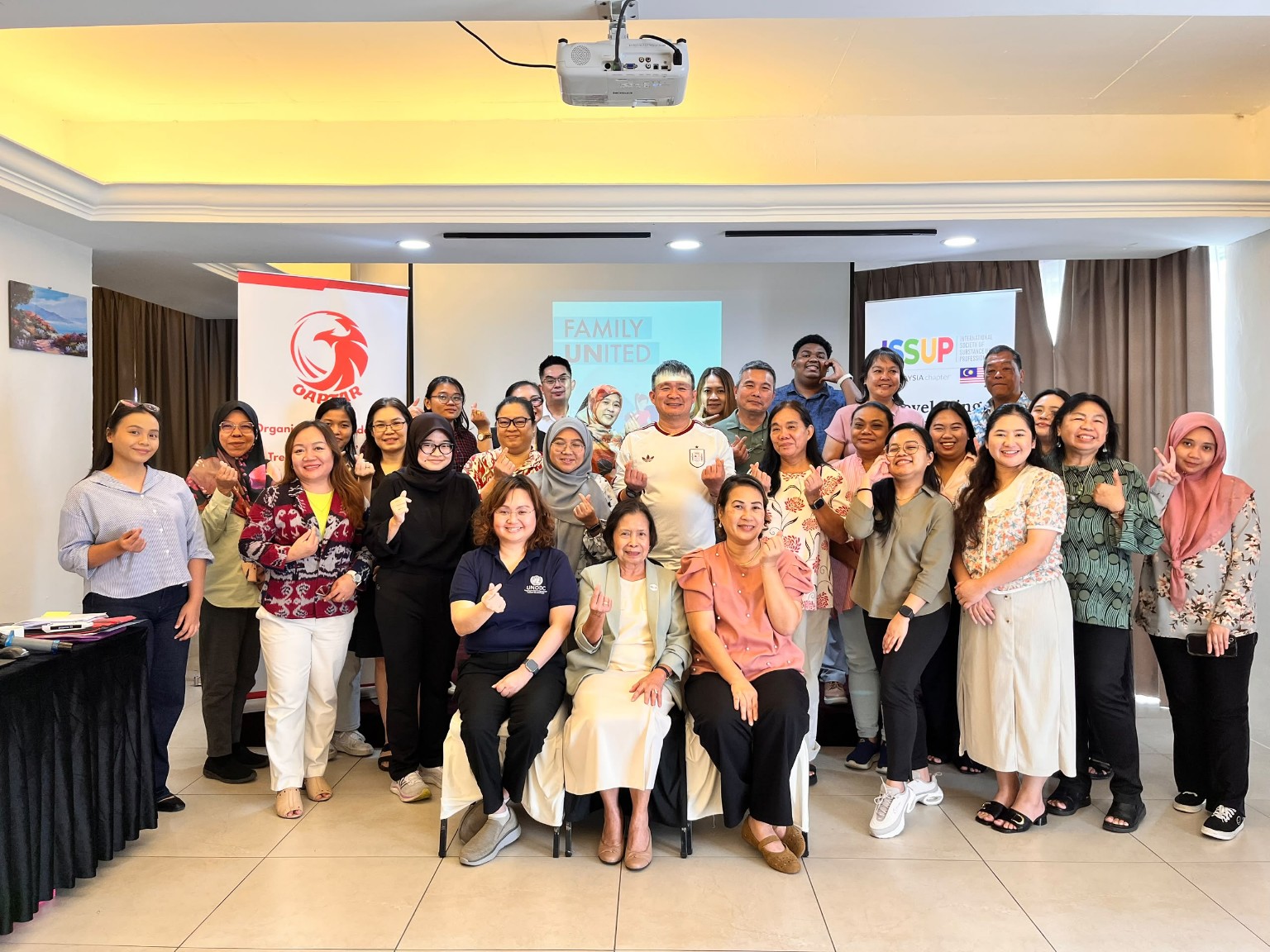
ISSUP Malaysia, through its host organisation OAPTAR, is supporting the strengthening of family-based prevention capacity through a three-day Family UNited Training conducted in Kuching, Sarawak, in collaboration with the United Nations Office on Drugs and Crime (UNODC).
The training brings together participants from different professional, organisational and community backgrounds with a shared interest in strengthening families and promoting the healthy development and wellbeing of children and young people.
Family UNited is an evidence-informed family skills programme that supports parents and caregivers in strengthening positive family relationships, communication and parenting practices, while building protective factors that can contribute to healthier developmental outcomes for children.
Learning Through Participation and Practice
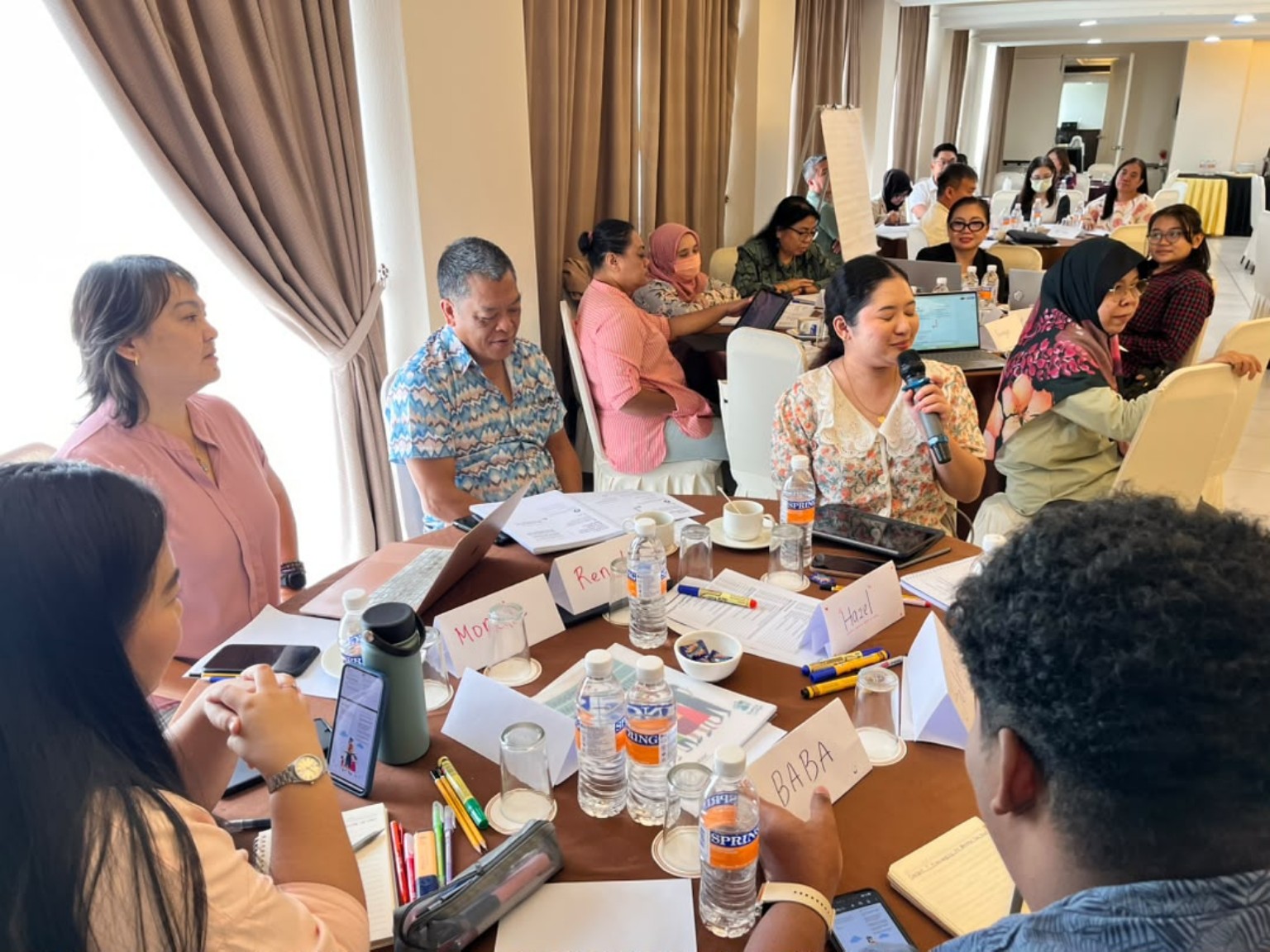
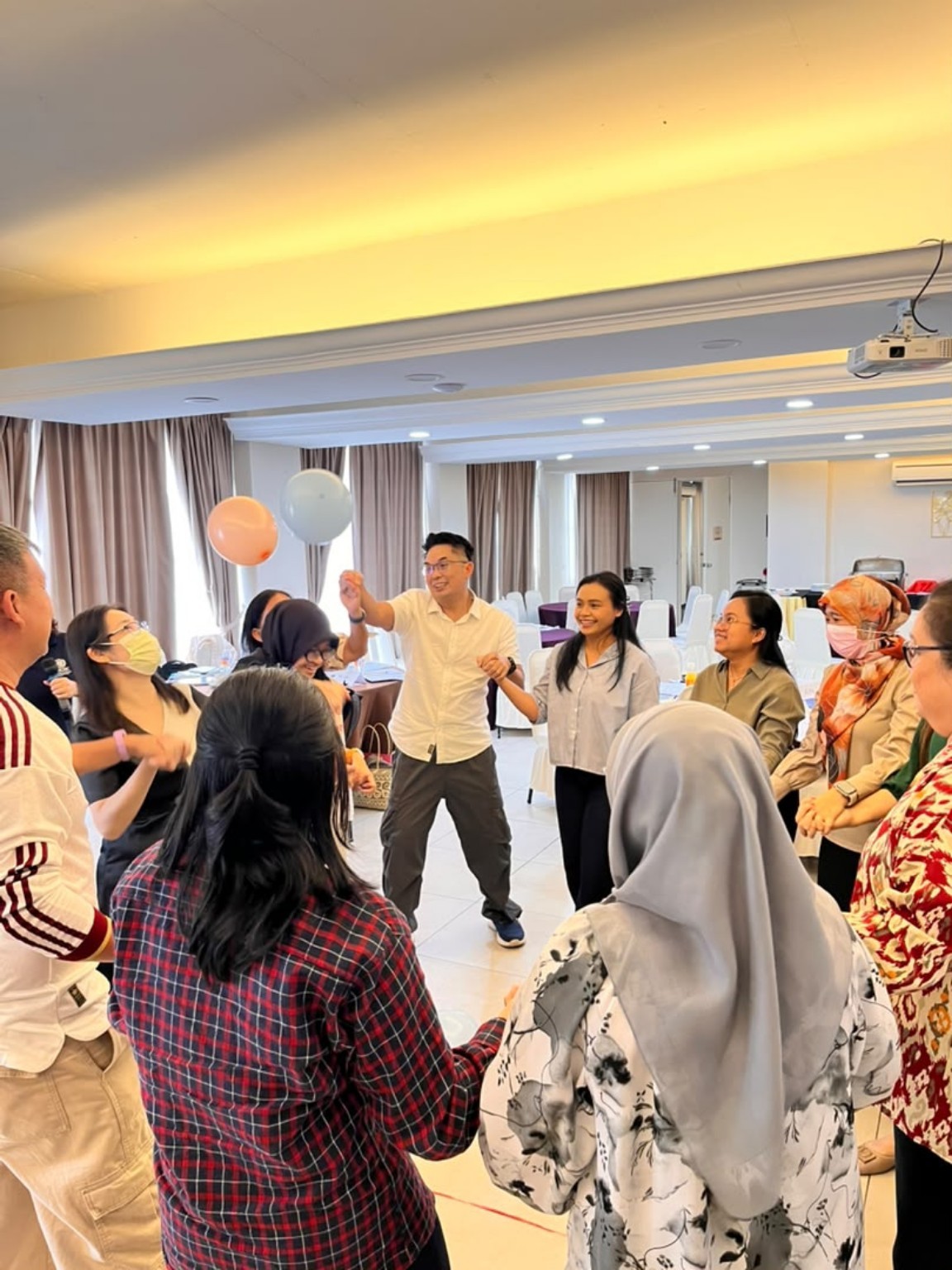
Throughout the three-day programme, participants are engaged in an experiential learning process combining facilitated discussions, group activities, skills practice, reflection and practical application.
The participatory approach provides opportunities not only to develop knowledge and facilitation competencies, but also for participants to exchange experiences and learn from one another. The training has also enabled new connections to develop among practitioners and organisations working across different settings.
From Training to Implementation
An important focus of the final stage of the training is Practice Integration and Action Planning, where participants consider how the knowledge and skills acquired can be translated into realistic action within their respective organisations and communities.
Participants are encouraged to consider their local context, the needs and strengths of families, available resources and opportunities for implementation.
Where resources are constrained, practitioners are also encouraged to think creatively about how evidence-informed family-strengthening principles can be incorporated into feasible local initiatives. Adaptation should not simply mean compressing a complete programme into a shorter period, but rather understanding which principles and elements must be preserved while designing interventions appropriate to the context and resources available.
For example, organisations unable to immediately implement a full family skills programme may begin with a carefully designed family-strengthening initiative focusing on identifying existing family strengths and helping families use those strengths to improve communication, relationships and shared problem-solving.
Continuing Beyond the Training Room
OAPTAR's engagement with participants will continue beyond the conclusion of the training.
As part of its follow-up and monitoring process, OAPTAR intends to reconnect with participants and provide guidance as they prepare for implementation within their respective settings. This will provide opportunities to understand progress, identify implementation challenges and support participants in translating learning into practice.
This approach reflects a broader commitment to ensuring that capacity-building initiatives lead beyond participation in training towards meaningful application within communities.
Continuing Beyond the Training Room
OAPTAR's engagement with participants will continue beyond the conclusion of the training.
As part of its follow-up and monitoring process, OAPTAR intends to reconnect with participants and provide guidance as they prepare for implementation within their respective settings. This will provide opportunities to understand progress, identify implementation challenges and support participants in translating learning into practice.
This approach reflects a broader commitment to ensuring that capacity-building initiatives lead beyond participation in training towards meaningful application within communities.
Gallery