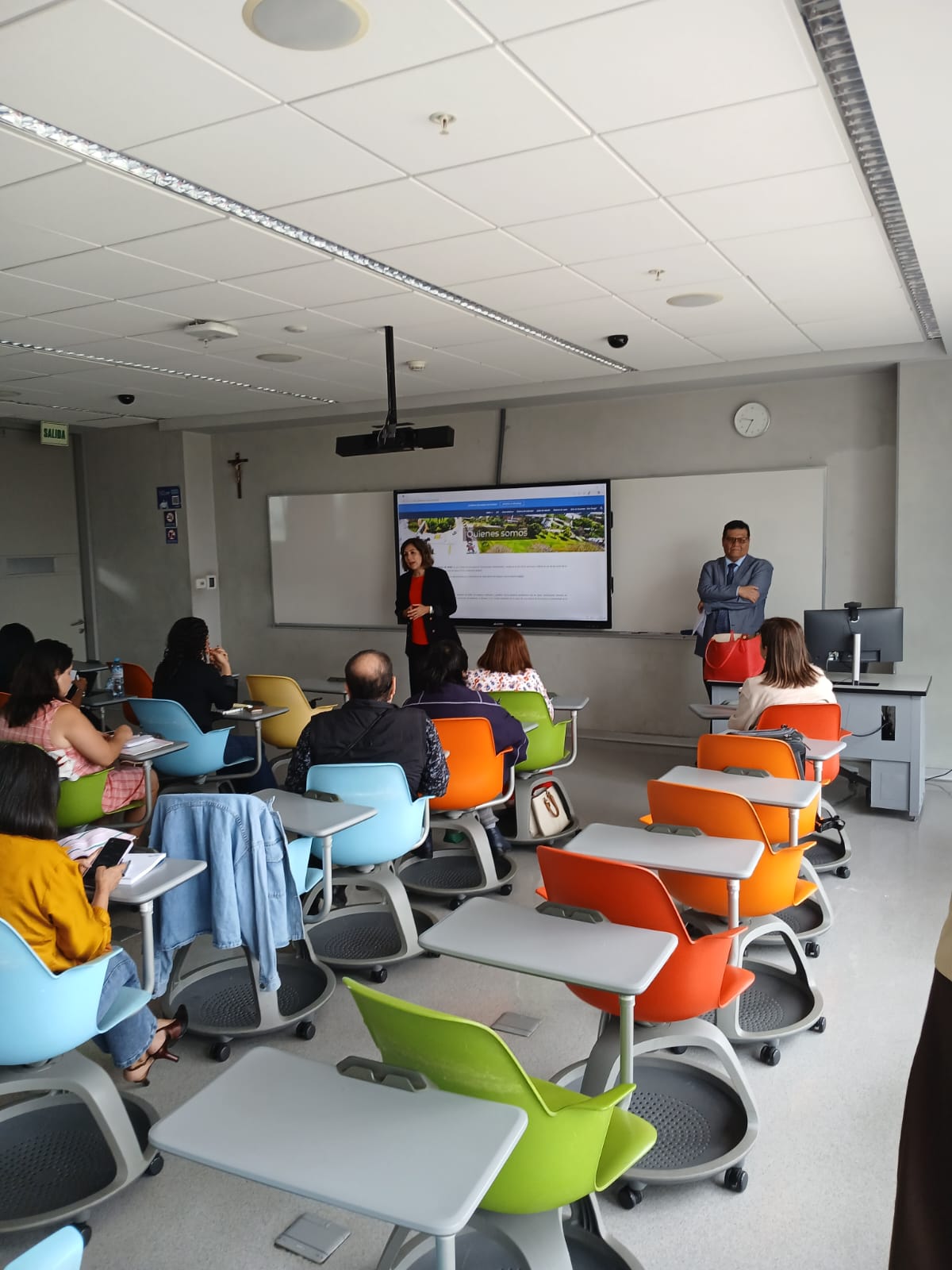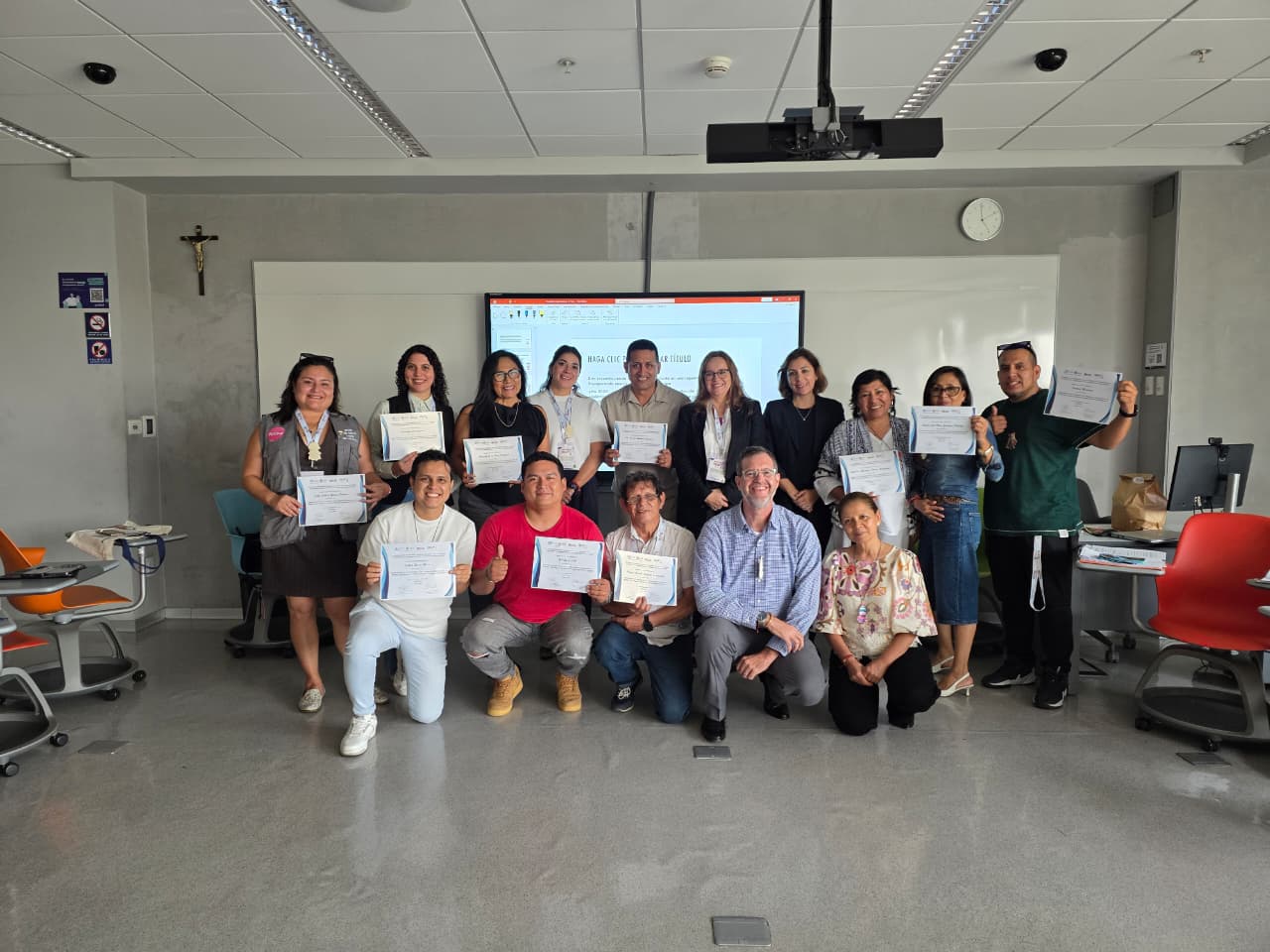
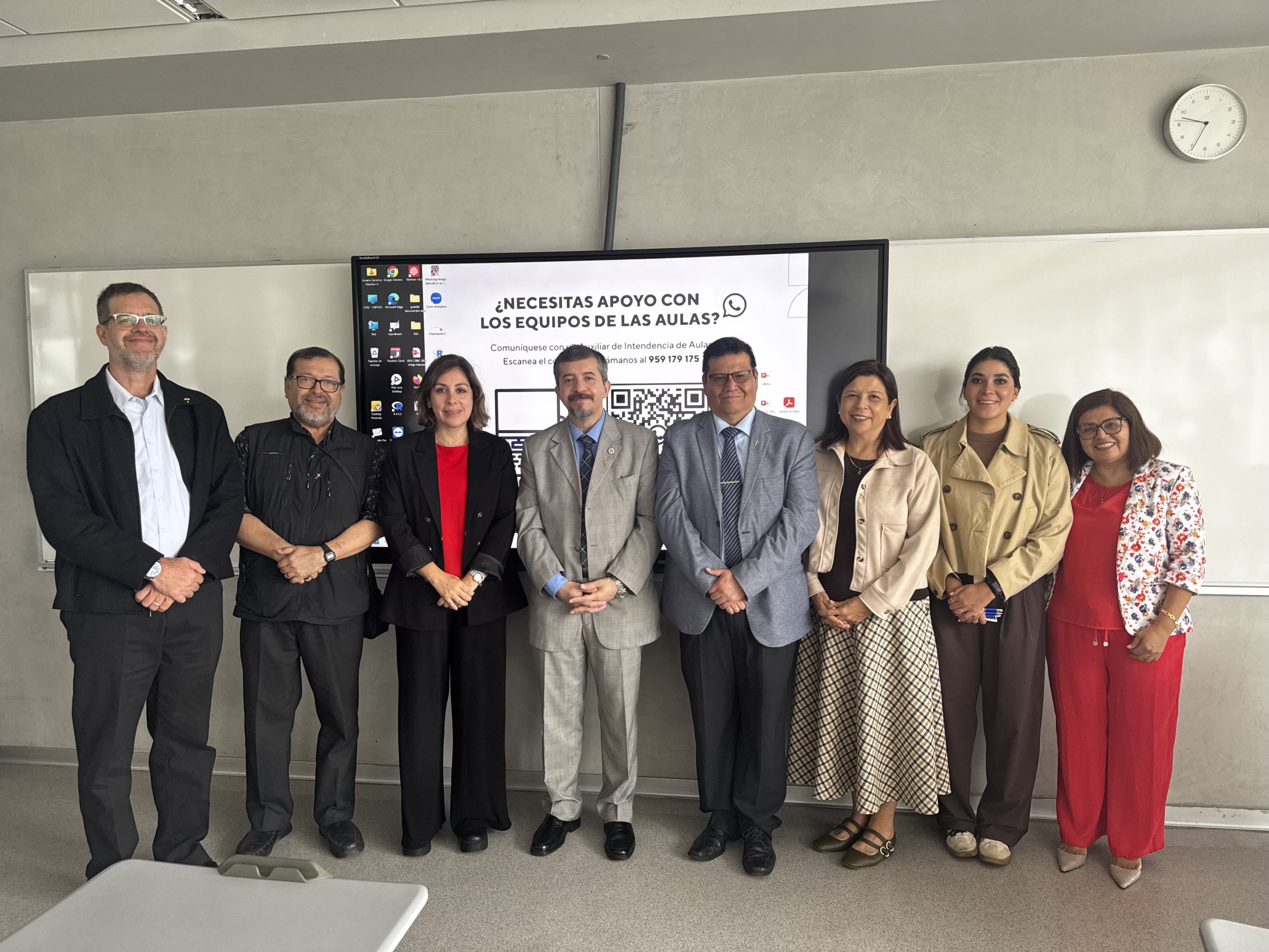
From 21 to 24 September 2026, the Inter-American Drug Abuse Control Commission (CICAD) of the Organization of American States (OAS), in partnership with ISSUP Peru, delivered the training “A Faith-Based Response to Drugs and Youth Criminal Recruitment” in Lima, Peru. The activity was held as part of the ISSUP Peru Chapter Annual Meeting and brought together faith-based leaders, pastoral agents, and representatives of civil society organizations from across the country.
The training brought together pastoral agents, representatives of civil society organizations, and leaders of faith-based organizations committed to supporting vulnerable populations and strengthening protective factors within their communities. Participants represented a diverse range of faith traditions and community-based initiatives, creating a unique space for dialogue, learning, and collaboration.
The training was designed to strengthen the capacity of faith-based organizations to address two interconnected challenges affecting communities across the region: substance use and the recruitment of young people by criminal organizations. Through a faith-based and community-centered approach, participants explored practical strategies to prevent risk behaviors, strengthen support networks, and promote the healthy development and social integration of children, adolescents, and young adults.
Throughout the four-day program, participants examined the ways in which faith-based organizations can contribute to prevention efforts by leveraging their trusted relationships with communities, their extensive outreach networks, and their ability to provide ongoing accompaniment to individuals and families. The curriculum emphasized the important role that faith communities can play in fostering resilience, promoting positive values, and creating safe spaces where young people can develop a sense of belonging and purpose.
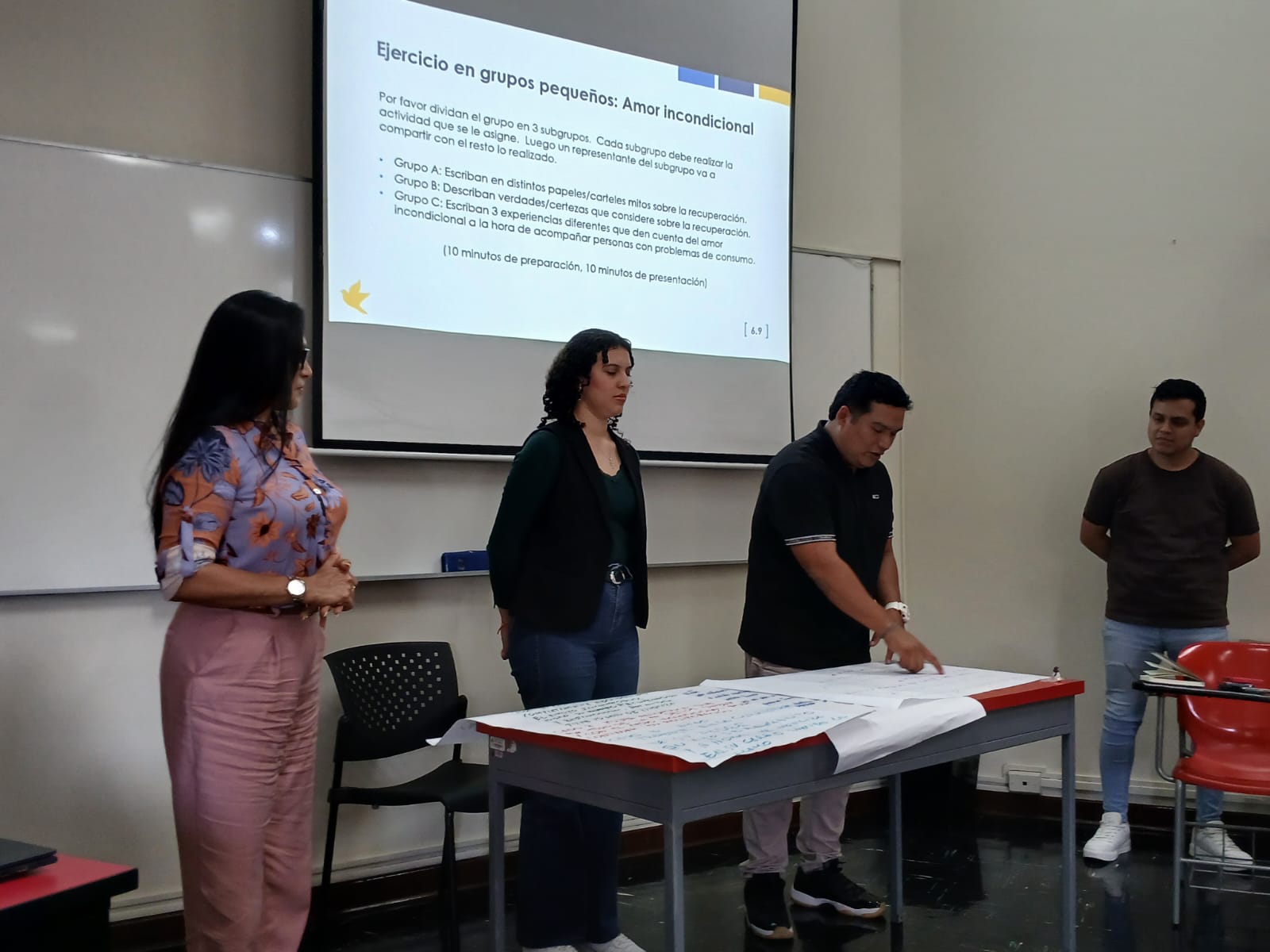
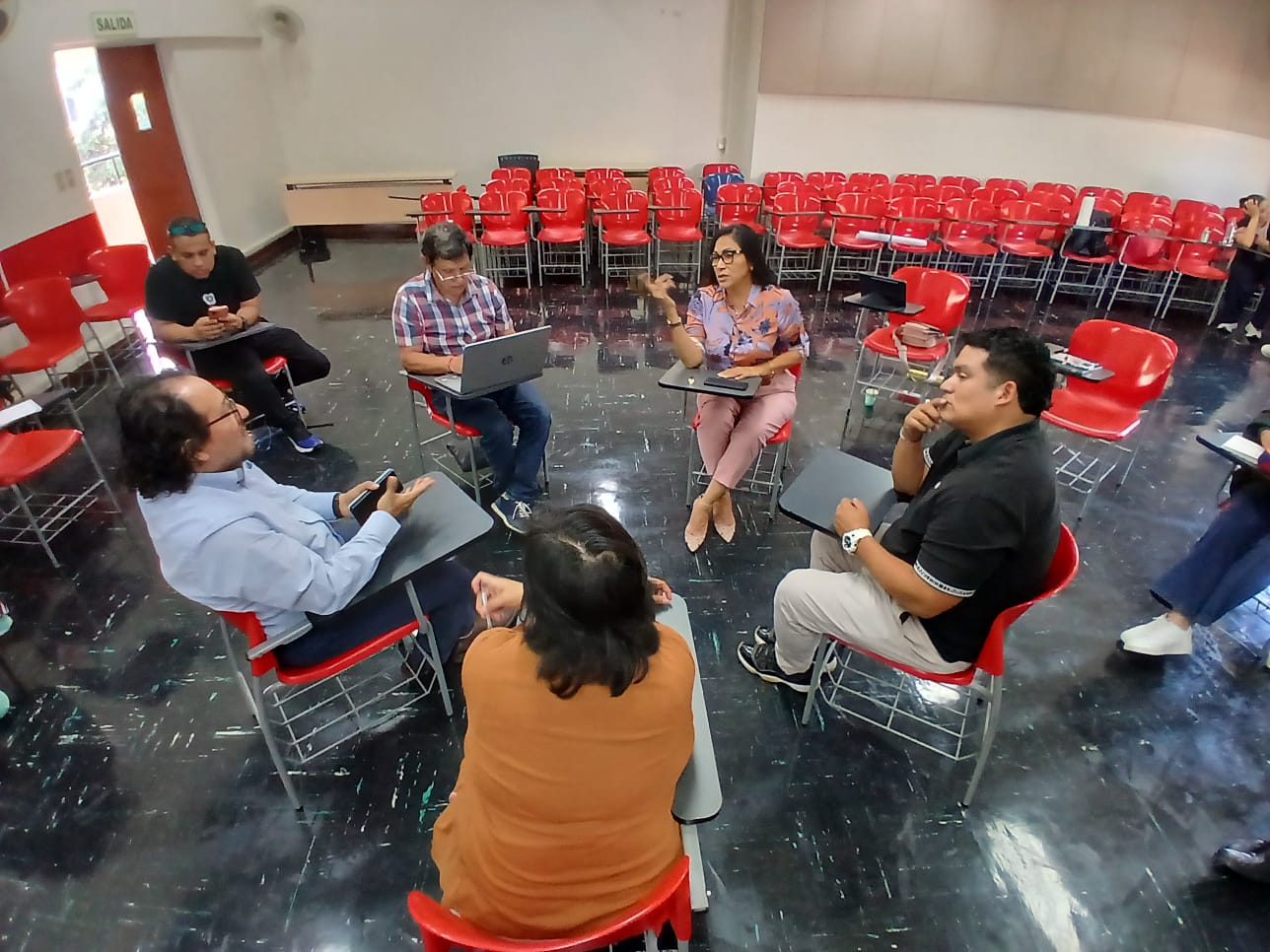
The training also provided an opportunity for participants to exchange experiences, discuss challenges encountered in their day-to-day work, and identify promising practices that can be adapted and replicated in different local contexts. Interactive discussions and group exercises encouraged participants to reflect on the social, family, and community factors that contribute to vulnerability, while also highlighting the strengths and resources available within faith communities to support prevention and early intervention efforts.
In addition to building individual knowledge and skills, participants explored opportunities for continued cooperation and emphasized the importance of coordinated efforts to respond effectively to the evolving challenges facing young people throughout the region.
Gallery