
खोज
 Treatment
The range of medical, psychological, and social services designed to help individuals reduce or stop substance use and manage substance use disorders. Treatment may include assessment, counselling and behavioural therapies, medication-assisted treatment, withdrawal management, and support for co-occurring mental or physical health conditions. Effective treatment is typically person-centred and evidence-informed, and may be provided in outpatient, community, or residential settings. Treatment aims to improve health and functioning, reduce substance-related harms, and support individuals in moving toward recovery and long-term wellbeing.


Cannabis y Adolescencia
ISSUP Chile presentó un seminario web sobre los resultados de la investigación actual sobre el impacto del consumo de cannabis en el cerebro adolescente en desarrollo.
Centro comunitario de salud mental éxitos en la prevención y tratamiento de personas que consumen sustancias psicoactivas
ISSUP Perú te invita a participar de un webinar sobre servicios comunitarios de prevención y control de adicciones.
El webinar se llevará a cabo el jueves 20 de octubre de 2022 a las 11:00 (hora Perú)
Este webinar analiza la actividad que...
Registration opens for European Drugs Winter and Summer Schools 2023
The EMCDDA and the University Institute of Lisbon (ISCTE-IUL) are delighted to open registration today for two upcoming joint events in 2023: the European Drugs Winter School (EDWS) and the European Drugs Summer School (EDSS) (1)(2).
EDWS...
Treatment Planning
Treatment Planning
This video is intended as a learning tool for developing a treatment plan adapted from UTC on course 5: Intake, Screening Assessment, Treatment Plan, and Documentation for Addiction Professionals. This video does not...
Assessment Using Addiction Severity Index Video Explanation
This video is intended as a learning tool for the understanding assessment using ASI adapted from UTC on course 5: Intake, Screening Assessment, Treatment Plan, and Documentation for Addiction Professionals. This video does not substitute...
New Training for Medical Providers: Integrating Addiction Medicine With Treatment Courts
NADCP is partnering with the American Society of Addiction Medicine (ASAM) to offer a new training for medical providers working with participants in drug treatment courts. This training will help medical providers learn how to successfully...

Mental Health and Substance Use: Reading List
Mental health and substance use issues are commonly linked, and it is important that practitioners are skilled and knowledgeable in identifying and working with the potential challenges an individual may be facing. For World Mental Health...
Integrating Substance Use and Mental Health Systems
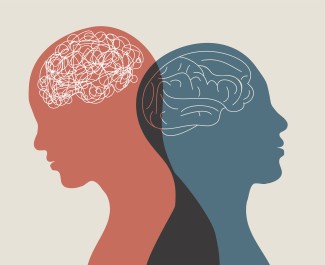
Historically, substance use and mental health systems and services have operated independently. Yet many people who access substance use services also have mental health disorders. Improving client care means ensuring people can easily...
Comorbidities in Drug Use Disorders: No wrong door
This discussion paper aims to highlight the evidence related to mental and physical health comorbidities in drug use disorders and to promote the development of innovative, evidence-based policies and practices to treat drug use disorders...
Associated Factors of Care Continuity among People Who are Addicted to Psychoactive Substances at the "La Vie" Center and Jamot Hospital in Yaounde
Purpose: The main objective of this study was to determine the associated factors of care continuity among people who are addicted to psychoactive substances at the "La Vie" Center and Jamot hospital in Yaounde.
Problem: The management of...
Coping with Life After Prison
Psychologists are playing pivotal roles in reentry programs, but more research and investment are needed to help incarcerated individuals build successful lives after leaving prison.
This article, published in the American Psychological...
General Principles of Contingency Management for Smoking Cessation
Contingency management (CM) is a psychological treatment based on operant conditioning. It consists of providing incentives in exchange for achieving a target behaviour such as abstinence or other treatmentrelated variables (e.g. session...
AddictologyIssue 2/2022
Global trends in opioid medicine availability
This webinar presented the latest global and regional trends in the use of opioid analgesics and explore issues related to availability.
Around the world the consumption of opioid analgesics has been increasing, yet millions of people...
A new model of Couples Treatment for Addiction
This Webinar examines a new model of couples treatment for addiction.
The model includes new aspects in the treatment, related to relationship reparation/ forgiveness and aspects of Emotionally-focused couple therapy.
The presentation...
War: Psychological Skills for Surviving and Coping with Traumatic Events
ISSUP Ukraine and ITTC-Ukraine jointly held an initiative dedicated to the ongoing war and the horrific events that resulted from Russian's attack on Ukraine. Ukrainians are currently experiencing extremely traumatic events that will have a...
Global Adult Tobacco Survey (GATS)-SA: Implementation, Results, and Implications for Policy
ISSUP South Africa, ITTC-SA and SAMRC - GATS-SA, are pleased to present their Webinar Series on Tobacco Use in South Africa.
Grief: Helping Someone Else in the Aftermath of Loss
In the wake of loss, it can be hard to take care of those you care about who are grieving. As with self-care, there are many possible ways to offer support to someone who is grieving, and a variety of factors that affect how you can offer...
Grief: Taking Care of Yourself in the Aftermath of Loss
This factsheet, published by the National Centre for PTSD, discusses the ways in which we can engage in self-care in the wake of loss.
The factsheet provides an overview of grief and some of the theories and processes that are associated...
Integrating Mindfulness into Substance Use Disorder Treatment
This virtual presentation is sponsored by the Southeast ATTC Regional Center and will focus on supporting the education and skill development of providers who work with people with substance use disorders (SUDS) by integrating mindfulness...