

खोज
 Treatment
The range of medical, psychological, and social services designed to help individuals reduce or stop substance use and manage substance use disorders. Treatment may include assessment, counselling and behavioural therapies, medication-assisted treatment, withdrawal management, and support for co-occurring mental or physical health conditions. Effective treatment is typically person-centred and evidence-informed, and may be provided in outpatient, community, or residential settings. Treatment aims to improve health and functioning, reduce substance-related harms, and support individuals in moving toward recovery and long-term wellbeing.


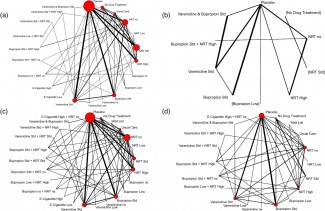
Study: Combined treatments are the most effective to stop smoking
This is a study, led by the University of Bristol, and published in Addiction Journal. It was funded by the National Institute for Health Research (NIHR), the research partner of the NHS, public health and social care.
The most effective...
Addiction treatment in India: Legal, ethical and professional concerns reported in the media
This study is a content analysis of newspaper reports from January 1, 2016 to December 31, 2019 looking into legal, ethical and professional concerns regarding the treatment of substance use disorders in India.
Mechanisms and mediators of addiction recovery
"Addiction recovery is a complex, dynamic and non-linear process of change on multiple life domains, and in substance use patterns in particular."
In this special issue of Drugs: Education, Prevention and Policy, researchers from around...

2021 NDARC Annual Research Symposium Recordings
The National Drug and Alcohol Research Centre (NDARC) held the 2021 Annual Research Symposium on the 20 - 22 October 2021.
Here you can see recordings of all of the sessions from the three days.
Session One
Topic: Emerging pharmaceutical...
Mental Health in Substance Use and Youth: Youth Substance Use - Trends, Considerations, and Evidence-Based Approaches
ISSUP Ukraine is pleased to present the Final Webinar in their Three-Part Series on 'Mental Health of Youth and Substance'. This Webinar will focus on Youth Substance Use: Trends, Considerations, and Evidence-Based Approaches.
Developing and Evaluating Brief Alcohol Interventions for Risky Drinking Parents
ISSUP UK are pleased to present their next Webinar on Developing and Evaluating Brief Alcohol Interventions for Risky Drinking Parents.
Trends in healthcare expenditures and resource utilization among a nationally representative population with opioids in the United States: a serial cross-sectional study, 2008 to 2017
One of the most serious public health concerns in recent decades has been the opioid epidemic in the United States (US). Over 9.9 million Americans aged 12 and up abused prescription pain drugs in 2018, and roughly 2 million Americans were...
Tobacco Control in Africa
The World Health Organisation (WHO) estimates that one in five African adolescents use tobacco and predict a doubling of deaths related to tobacco use in low- and middle-income countries between 2002 and 2030.
Here, you can find out more...

Cocaine Insights 1
The cocaine market presents a clear threat at the global level. Well-defined locations of production in South America and large consumer markets in the Americas and Europe lead to trafficking routes from a circumscribed origin to specific...
Identifying NGOs working on drug treatment in humanitarian settings
The United Nations Office on Drugs and Crime (UNODC) and specifically the Prevention Treatment and Rehabilitation Section (PTRS) are working on addressing substance use and substance use disorders in humanitarian settings.
In this context...
Поддерживающая Терапия Агонистами Опиоидов
ISSUP Казахстан приглашает вас принять участие в предстоящем вебинаре на тему: Поддерживающая Терапия Агонистами Опиоидов.
ПТАО используется более 50 лет и является одним из методов лечения опиоидной зависимости с научно-доказательной...
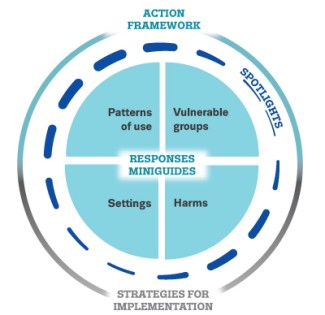
Health and social responses to drug problems: a European guide 2021
The Health and social responses to drug problems: a European guide 2021 was developed to support practitioners and policymakers in tackling the negative consequences of drug use.
The guide is composed of four sets of miniguides that look...
INL's Webinar Week
The U.S. Department of State's Bureau of International Narcotics and Law Enforcement Affairs (INL) presents the third annual event on partnering with the private sector to address the world drug problem.
The private sector can play a major...

Advances in Addiction and Recovery
Advances in Addiction & Recovery, the official publication of NAADAC, is a quarterly digital magazine focused on providing useful, innovative and timely information on trends and best practices in the profession that are beneficial for...
A series of videos on HIV prevention among people who use stimulant drugs
The UNODC Regional Programme Office for Eastern Europe (Kiev, Ukraine) and Charitable Fund "Humanitarian Action" (Russia) are launching a series of 8 animated videos on the provision of HIV prevention services for people who use stimulants...
Mental Health of Youth and Substance Use: Mood Disorders in Children and Adolescents
ISSUP Ukraine are pleased to present the Second Webinar in their Three-Part Series on 'Mental Health of Youth and Substance'. The Second Webinar will focus specifically on Mood Disorders in Children and Adolescents.
Call for Papers- African Journal of Alcohol and Drug Abuse
The African Journal of Alcohol and Drug Abuse (AJADA) invites researchers & scholars to contribute their original articles to a DIAMOND open-access, peer-reviewed, multidisciplinary journal.
Manuscripts are invited for submission in the...
Call for Papers- Dual Diagnosis in Older Adults
This new annual themed issue of Advances in Dual Diagnosis will focus on issues surrounding dual diagnosis in older adults in order to improve assessment intervention, treatment and care of older adults with dual diagnosis from both public...
The Pregnancy Edit
The Society for the Study on Addiction (SSA) Pregnancy Edit is a series of articles on alcohol-related harm in pregnancy, published on the Society for the Study of Addiction website in September 2021.
Topic covered include:
- the...
“Hidden gem” from the ’70s suggests counsellors generate the outcomes they expect. An Effectiveness Bank analysis
The Effectiveness Bank has stopped routinely issuing research analyses, but we couldn’t leave this gem from the ’70s figuratively gathering dust on the shelves of the British Library. Belied by an under-stated presentation, its practice...