

Search
Telehealth

At the forefront of a pandemic: COVID-19 through the eyes of psychotherapist at a drug treatment facility
The COVID-19 pandemic and the restrictions associated with it have changed people’s lives in almost all countries. However, very few realize how the lives of people with drug use disorders – who are among the most vulnerable and in need of...

Telehealth Reading List
Looking to learn about telehealth or telemedicine and what it looks like in practice? Take a look at our latest reading list to find out more.

Experiences of Clinicians Transitioning to Telemedicine
The COVID-19 pandemic has forced many practitioners to shift their practice online, using telemedicine to treat Opioid Use Disorder. This has allowed for the continuity of essential care whilst adhering to the social distancing guidelines...

Caring for Patients During the COVID-19 Pandemic
Supporting Access to Telehealth for Addiction Services: Regulatory Overview and General Practice Considerations
The purpose of this document, which was put together by the American Society of Addiction Medicine (ASAM), is to provide...

Telehealth Learning Series for SUD Treatment and Recovery Support Providers
The Addiction Technology Transfer Center (ATTC) Network, the Center for Excellence on Protected Health Information (CoE-PHI), the National Consortium of Telehealth Resource Centers, and the Center for the Application of Substance Abuse...
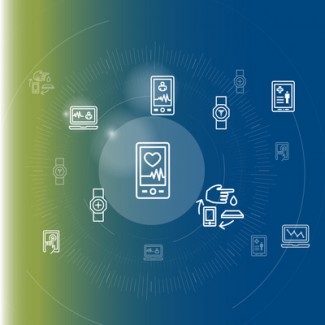
WHO Guideline: Recommendations on Digital Interventions for Health System Strengthening
The key aim of this guideline is to present recommendations based on a critical evaluation of the evidence on emerging digital health interventions that are contributing to health system improvements, based on an assessment of the benefits...
Telehealth Tips from Turning Point
In the shadow of COVID-19, telehealth has been pushed to the forefront of service delivery. Everyone is working rapidly to establish quality telehealth systems to replace face-to-face therapeutic encounters with clients.
But for some...
Digital Health: A Strategy to Maintain Health Care for People Living with Noncommunicable Diseases during COVID-19
Noncommunicable diseases (NCDs) are the main cause of death and disability worldwide. Effective management of these chronic conditions depends largely on continuous, responsive, accessible, and quality services and successful patient...
Reducing Risky Alcohol Use via Smartphone App Skills Training Among Adult Internet Help-Seekers: A Randomized Pilot Trial
Alcohol is one of the leading risk factors for global disease burden and overconsumption leads to a wide variety of negative consequences in everyday life. Digital interventions have shown small positive effects in contributing to...
Telepsychiatry: The CCBHC Staffing Solution Recording and Slides
Now that clinics across the country are eligible to apply for CCBHC Expansion grants, this creates an exciting opportunity for organizations to increase access to care. Leaders are looking for ways to ensure that their organizations are...

Webinar: Mental Health during the COVID-19 Pandemic
Four experts, brought together by ISSUP Ukraine discuss measures being taken in Ukraine to address the mental health issues brought on by the Covid-19 pandemic. The speakers focus upon psychosocial aspects of the pandemic; destigmatisation of mental health issue; stress factors for the healthcare professions and support initiatives during quarantine.
Could a Telehealth Programme Improve Outcomes for Justice-Involved Women?
Evidence has shown that individuals released from prison are at greater risk of drug overdose in the first 2 weeks post-release compared to the general population. After a period of relative abstinence, the tolerance of people who use...
Coronavirus (COVID-19): Remote Care through Telehealth
Telehealth refers to the provision of personalised health care over a distance. It includes consultation by phone, instant messaging, video, text message, or web-based services.
Telehealth consists of three main elements:
- The patient...

Long-Term Effectiveness and Cost-Effectiveness of Videoconference-Delivered Cognitive Behavioral Therapy for Obsessive-Compulsive Disorder, Panic Disorder, and Social Anxiety Disorder in Japan: One-Year Follow-Up of a Single-Arm Trial
ABSTRACT
Background: Face-to-face individual cognitive behavioral therapy (CBT) and internet-based CBT (ICBT) without videoconferencing are known to have long-term effectiveness for obsessive-compulsive disorder (OCD), panic disorder (PD)...
NAADAC COVID-19 Resource List
Health care professionals around the world are fighting tirelessly to reduce the harm that is being caused by COVID-19.
Several public health organisations are creating and updating resources so that people can be updated on the changing...
How Can Telehealth Help in the Provision of Integrated Care?
The World Health Organisation defines telehealth as:
The use of telecommunications and virtual technology to deliver health care outside of traditional health-care facilities.
Well-designed telehealth schemes can improve health care...

Webinar grabado: Telemedicina - Desafíos en la práctica de la salud mental
El 14 de abril de 2020, el capítulo chileno de ISSUP en colaboración con ISSUP global organizó un webinar sobre 'Telemedicina: Desafíos en la práctica de la salud mental'.
Presentadora: Viviana Guajardo Tobar
Médico psiquiatra de la...
Resources for Addiction Treatment Providers
It is not always straight forward to find information and reliable resources on telehealth, state policies on OTP operation during this crisis, and insurance guidance.
To support treatment provides, Shatterproof has gathered a list of...
COVID-19: Adapting to Virtual Care Delivery and Implementing New Approaches and Technology
The rapidly evolving and unprecedented challenges of COVID-19 are requiring us to think differently as we shape approaches to everything from workforce management to care delivery models. Social distancing, virtual working, self-isolation...
Telehealth Learning Series
The Addiction Technology Transfer Center (ATTC) Network, the Center for Excellence on Protected Health Information (CoE-PHI), the National Consortium of Telehealth Resource Centers, and the Center for the Application of Substance Abuse...