
Search
Behavioural Therapy Interventions
Psychological interventions that address the underlying cognitive and emotional drivers of substance use e.g., Cognitive Behavioural Therapy (CBT) and Motivational Interviewing (MI).
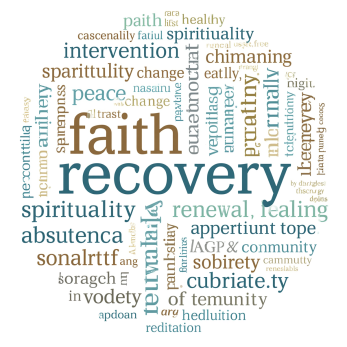

Different components of cognitive-behavioral therapy affect specific cognitive mechanisms
Abstract
Psychological therapies are among the most effective treatments for common mental health problems—however, we still know relatively little about how exactly they improve symptoms. Here, we demonstrate the power of combining theory...
Pharmacological and Behavioral Treatment of Opioid Use Disorder
Abstract
Objective:
Opioid use disorder (OUD) in the United States has surged, with an estimated 2.5 million needing treatment. The aim of this article is to provide a clinical overview of the key pharmacological and behavioral treatments...
Substance use disorders: a comprehensive update of classification, epidemiology, neurobiology, clinical aspects, treatment and prevention
Abstract
Substance use disorders (SUDs) are highly prevalent and impact individuals' health, well-being, and social functioning. Long-lasting changes in brain networks involved in reward, executive function, stress reactivity, mood, and...
SMART recovery for youth: a small, exploratory qualitative study examining the potential of a mutual-aid, peer support addictive behaviour change program for young people
Abstract
Background
SMART (Self-Management and Recovery Training) Recovery is a mutual-aid program informed by cognitive behaviour therapy and motivational interviewing that provides support for a range of addictive behaviours. SMART...
Comparison of Treatments for Cocaine Use Disorder Among Adults
Key Points
Question What treatments for cocaine use disorder are associated with objective reductions in cocaine use among adults?
Findings In this meta-analysis of 157 clinical trials comprising 402 treatment groups and 15 842...
I had nothing, and drugs don’t leave”: Young offenders’ perspectives on Alcohol and Other Drugs (AoD)
This webinar looked at the contexts of young offenders’ alcohol and other drug use and the implications for harm reduction strategies.
The importance of multi-level interventions that move beyond ‘victim blaming’ and ‘individual...
Cognitive-behavioral therapies in Mexico
The book that the reader has in his hands aims to reflect the origin, background and current status worldwide and in Mexico of cognitive-behavioral therapies, as well as the different areas at its disposal, of which we only present a few...
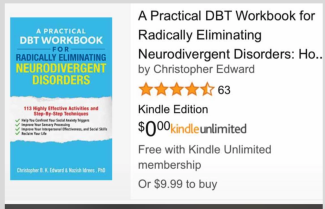
A Practical DBT Workbook for Radically Eliminating Neurodivergent Disorders: How to Help You Confront Your Social Anxiety Triggers and Improve Your Interpersonal Effectiveness and Social Skills
- The 4 core skills of dialectical behavior therapy, and how they can benefit people with neurodivergent conditions (ADHD, Autistic, Dyslexia ,Dyspraxia and Tourette Syndrome etc.. because they have high probability of developing addictions...
UNODC launched a Training of Trainers (ToT) Programme on the Universal Treatment Curriculum (UTC) Advanced Courses 9-15 in Pakistan
|
|
 Ensuring continued learning and offering opportunities to substance use dependence treatment professionals to learn advanced and evidence-based treatment techniques and strategies is one of the important missions of UNODC. In...
Ecolink Institute starts advanced course on MI & CBT
Ecolink Institute of Well-being, an approved training provider of the Colombo Plan started the advanced course on Motivational Interviewing (MI) and Cognitive Behavioral Therapy (CBT) for addiction professionals on 12 September 2022.
Over...
Training on the Management of Substance Use Disorders
On August 20, 2022, in the Kinnaird Center for Learning and Cultural Development (KCLCD) Lahore, a one-day skills workshop for students of Professional Certification in Clinical Psychology (PCCP) batch II was organized.
Dr. Nazish Idrees...

Introducing Training of Trainers (ToT) on Universal Treatment Curriculum (UTC) Advance course 9-15 in Pakistan
The country office Pakistan of “United Nation Office on Drug & Crime” (UNODC) is happy to offer the Training of Trainers (ToT) on Universal Treatment Curriculum (UTC) Advance course 9-15. We are inviting the application for ToT on following...
War - Psychological skills for surviving (coping with) traumatic events: Priority assistance to the military
ISSUP in collaboration with the University of California San Diego, Department of Psychiatry, International Technology Transfer Center - Ukraine, and ISSUP Ukraine National Chapter welcome you to a joint initiative dedicated to the...
Effectiveness of Mindfulness Cognitive Behaviour on Relapse Prevention Across Socio-Demographic Patterns of Participants: Insights from Kenya - Jacqueline A. Anundo, Day 5, 11:00-12:31
Presented as part of the Uniting the global community to face the challenge of addiction event, online on 16th May, 2022
A Case study of the treatment of methamphetamine use disorder amongst medical students in Abia State, Nigeria - Chiamaka R. Nwaoru, Day 5, 09:00-10:30
Presented as part of the Uniting the global community to face the challenge of addiction event, online on 16th May, 2022
NRC International Partners (Regional), Day 3, Track 2, 11:00-12:30
Presented as part of the Uniting the global community to face the challenge of addiction event, in-person on 14th May, 2022
NRC Academic Partners, Day 3, Track 2, 09:00 -10:30
Presented as part of the Uniting the global community to face the challenge of addiction event, in-person on 14th May, 2022
Cognitive Behavior Therapy for Substance Use Disorders: From Theory to Practice
Cognitive Behavioral Therapy (CBT) has been found to be effective for treating a variety of Substance Use Disorders (SUDs). This webinar will review the CBT model of substance use, as well as practical treatment strategies and tools in...
Awareness Lecture and Workshop on Risky Behaviors & Substance Use in an International Family Medicine Conference, Avari Hotel, Lahore Pakistan
Two days International Family Medicine Conference has been arranged at Avari Hotel in Lahore Pakistan on May 21 and 22, 2022. The organizers were the team members of WONCA SAR. The guest speaker/trainer invited to grace these initiatives...

Mindfulness-Based Relapse Prevention: why make relapse prevention more mindful?
Traditionally, relapse prevention for addictive disorders has been based on cognitive-behavioural therapy (CBT). The development of mindfulness-based relapse prevention (MBRP) by the University of Washington, which integrates core aspects...