
Drug Rehab Programs on Long Island: Residential, PHP, IOP & Local Resources
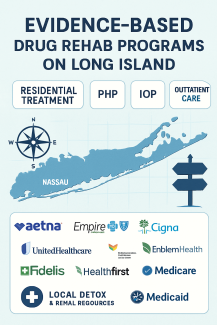
Drug Rehab Programs on Long Island: Residential, PHP, IOP, and Local Treatment Resources
Long Island — including Nassau County and Suffolk County — continues to face challenges related to substance use disorders, including opioid misuse, alcohol dependence, stimulant use, and polysubstance addiction. Families and professionals across the region often search for reliable information about detox services, residential rehabilitation, and outpatient treatment programs available locally.
This guide explains the major levels of addiction treatment available on Long Island and provides practical information for individuals and families exploring recovery options.
Why Drug Rehab Programs on Long Island Matter
Substance use disorders affect individuals, families, and communities across New York State. According to the Substance Abuse and Mental Health Services Administration (SAMHSA), millions of Americans experience substance use disorders each year, yet many do not receive the treatment they need.
For Long Island residents, having access to local treatment programs allows individuals to receive structured care while remaining connected to family support systems, employment, and community resources.
Resources such as Long Island addiction treatment resources provide information about detox programs, rehabilitation facilities, and recovery services available across Nassau and Suffolk counties.
Levels of Care in Long Island Drug Rehab Programs
Addiction treatment is typically delivered across a continuum of care. Individuals may begin with more intensive services and gradually transition to lower levels of care as recovery stabilizes.
Medical Detoxification
Medical detoxification is often the first step for individuals who have developed physical dependence on substances such as alcohol, opioids, or benzodiazepines. Detox programs provide 24-hour medical monitoring and medication support to manage withdrawal symptoms safely.
Information about medical detox programs on Long Island helps individuals understand how withdrawal management fits within the broader treatment process.
Residential / Inpatient Drug Rehab
Residential treatment provides 24-hour structured care in a live-in therapeutic environment. These programs typically include:
- Individual counseling and psychotherapy
- Group therapy and peer support
- Medical and psychiatric care
- Relapse prevention education
Many individuals begin recovery in inpatient rehabilitation programs after completing detox, particularly when substance use has led to severe health or behavioral consequences.
Partial Hospitalization Programs (PHP)
Partial Hospitalization Programs provide intensive treatment during daytime hours while allowing individuals to return home or to supportive housing in the evenings. PHP often involves approximately 20–30 hours of structured therapy each week.
Programs offering partial hospitalization treatment serve as a step-down level of care following residential rehabilitation.
Intensive Outpatient Programs (IOP)
Intensive Outpatient Programs typically involve 9–15 hours of treatment each week. Many Long Island programs offer evening schedules that allow individuals to maintain employment, school, or family responsibilities while receiving treatment.
Community-based intensive outpatient addiction treatment programs are commonly used as a transition stage between residential treatment and standard outpatient care.
Standard Outpatient Treatment
Outpatient counseling provides ongoing therapeutic support for individuals who have stabilized in recovery. These services may include individual therapy, medication management, and relapse prevention planning.
Programs offering outpatient addiction treatment services help individuals maintain long-term recovery while reintegrating into daily life.
Insurance Coverage and Treatment Costs
One of the most common concerns when considering rehabilitation is cost. Many addiction treatment facilities on Long Island work with major health insurance providers.
Common plans accepted by treatment providers may include:
- Aetna
- Empire BlueCross BlueShield
- Cigna
- UnitedHealthcare
- EmblemHealth
- Fidelis Care
- Healthfirst
- NYSHIP / EMPIRE PLAN
- MAGNACARE
- Medicare and Medicaid
Coverage varies by plan and level of care. Verifying benefits before admission helps individuals understand deductibles, copayments, and coinsurance responsibilities.
Evidence-Based Treatment Approaches
Addiction treatment programs increasingly rely on evidence-based clinical approaches. Research from the National Institute on Drug Abuse (NIDA) highlights the importance of combining behavioral therapies with medical and social support.
Evidence-based treatment approaches commonly include:
- Cognitive Behavioral Therapy (CBT)
- Motivational Interviewing
- Medication-Assisted Treatment (MAT)
- Family therapy and peer recovery support
Finding Treatment Resources
Individuals seeking addiction treatment can locate programs using national and state resources, including:
- SAMHSA FindTreatment.gov
- New York State Office of Addiction Services and Supports (OASAS)
- Local community health organizations and recovery programs
These tools help individuals locate detox services, residential treatment programs, and outpatient recovery support throughout Long Island.
Conclusion
Substance use disorders remain a complex public health issue across Long Island and throughout the United States. Expanding awareness of treatment options, improving access to care, and strengthening recovery support systems are essential for addressing addiction at the community level.
Educational resources and treatment navigation platforms help individuals and families better understand available care pathways and begin the process of recovery.