
Prozac for Anxiety: Benefits, Dosage & Side Effects
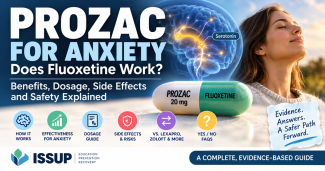
Prozac for Anxiety: Does Fluoxetine Work? Benefits, Dosage, Side Effects and Safety
Quick Answer: Yes, Prozac (fluoxetine) can help treat anxiety, particularly panic disorder, for which it is FDA-approved in adults. Healthcare professionals sometimes prescribe fluoxetine off-label for generalized anxiety disorder (GAD) and other anxiety conditions. Prozac is an SSRI antidepressant, not a fast-acting anxiety medication. Full benefits may take four to five weeks or longer.
Prozac is among the best-known selective serotonin reuptake inhibitors (SSRIs). Although it was developed as an antidepressant, fluoxetine also has an established role in treating panic disorder and may be considered for other anxiety-related conditions.
Understanding how Prozac works, how long treatment takes, what side effects to expect and how it compares with medications such as Lexapro and Zoloft can help patients have more informed conversations with their healthcare professionals.
This evidence-based guide examines fluoxetine's FDA-approved uses, off-label anxiety applications, clinical trial findings, dosing, treatment timelines, medication interactions and important safety considerations.
Key Takeaways: Prozac for Anxiety
- Does Prozac help anxiety? Yes, particularly panic disorder in adults.
- Is Prozac approved for generalized anxiety? No. GAD treatment is an off-label use.
- How long does Prozac take to work? Full benefits may take four to five weeks or longer.
- What is the starting dose? The FDA-labeled starting dose for adult panic disorder is 10 mg daily.
- Can Prozac initially worsen anxiety? Yes. Nervousness, restlessness and insomnia may occur early in treatment.
- Is Prozac addictive? It is not a controlled substance, but discontinuation symptoms can occur.
- Does Prozac have serious warnings? Yes, including suicidality, serotonin syndrome, abnormal bleeding and possible mania.
- Is Prozac better than Lexapro or Zoloft? No medication is universally superior; the diagnosis and individual response determine suitability.
Table of Contents
- What Is Prozac (Fluoxetine)?
- How Does Prozac Work in the Brain?
- Does Prozac Actually Help Anxiety?
- FDA-Approved Uses and Off-Label Conditions
- Prozac for Panic Disorder and Panic Attacks
- Fluoxetine for Generalized Anxiety Disorder
- OCD, Social Anxiety, PTSD and Depression
- Clinical Trials: How Effective Is Prozac?
- How Long Does Prozac Take to Work?
- Prozac Dosage for Anxiety: 10 mg to 60 mg
- What Happens When You Start Prozac?
- Common Fluoxetine Side Effects
- Serious Prozac Warnings and Risks
- Prozac Drug Interactions
- Prozac vs. Lexapro, Zoloft and Other Medications
- Prozac in Children, Older Adults and Pregnancy
- Stopping Prozac and Withdrawal Symptoms
- Other Evidence-Based Anxiety Treatments
- Common Prozac Myths vs. Facts
- When to Seek Medical Help
- Frequently Asked Yes-or-No Questions
- Medical References and Sources
- About the Author and Medical Review
What Is Prozac (Fluoxetine)?
Prozac is the brand name for fluoxetine, a prescription medication classified as a selective serotonin reuptake inhibitor (SSRI). It is used to treat several psychiatric conditions, including major depressive disorder, obsessive-compulsive disorder, bulimia nervosa and panic disorder.
Fluoxetine was first approved by the U.S. Food and Drug Administration in 1987. Generic fluoxetine contains the same active ingredient as brand-name Prozac and must meet applicable FDA standards for pharmaceutical equivalence and bioequivalence.
According to the National Library of Medicine's fluoxetine medication guide, fluoxetine is available in oral formulations, including capsules, tablets and liquid.
Is Prozac an Antidepressant or an Anti-Anxiety Medication?
Both descriptions can apply. Prozac is pharmacologically classified as an antidepressant, but it is also FDA-approved to treat panic disorder in adults.
Antidepressants are frequently prescribed for anxiety disorders because serotonin-related signaling is involved in emotional regulation and several SSRIs have demonstrated effectiveness for specific anxiety diagnoses.
A person does not need to have depression to receive fluoxetine for an appropriate anxiety-related indication.
How Does Prozac Work in the Brain?
Fluoxetine inhibits the serotonin transporter, reducing the reuptake of serotonin into nerve cells. This increases serotonin signaling and may contribute to changes in neural pathways involved in mood and anxiety regulation.
Serotonin is a neurotransmitter involved in several physiological functions, including emotional processing, appetite, sleep and gastrointestinal activity.
However, anxiety and depression cannot be adequately explained as a simple serotonin deficiency. These conditions involve complex interactions among brain circuits, genetics, psychological experiences and environmental factors.
Why Does Prozac Take Several Weeks to Work?
Although fluoxetine begins affecting serotonin transport relatively quickly, its clinical benefits generally emerge more gradually.
Researchers believe longer-term adaptations in neurotransmission and emotional processing may contribute to treatment response.
Unlike rapidly acting sedative medications, Prozac is not intended to provide immediate relief during an acute panic attack.
For additional background, see the National Institute of Mental Health's overview of anxiety disorders.
Does Prozac Actually Help Anxiety?
Yes. Fluoxetine has demonstrated effectiveness in treating adult panic disorder. It may also be prescribed off-label for other anxiety conditions, although the evidence differs by diagnosis.
Successful treatment may involve:
- Fewer panic attacks
- Reduced fear of future panic attacks
- Less avoidance of anxiety-provoking situations
- Improved daily functioning
- Reduced anxiety-related distress
- Better participation in work, school and relationships
Not everyone responds to fluoxetine, and treatment effectiveness depends on factors such as diagnosis, symptom severity, adherence, side effects and co-occurring medical or psychiatric conditions.
Does Prozac Work for Physical Anxiety Symptoms?
It may. When physical symptoms such as trembling, palpitations or sweating occur as part of an anxiety disorder, effective treatment of that disorder may reduce their frequency or severity.
However, new or unexplained physical symptoms should not automatically be attributed to anxiety. Medical conditions can produce similar symptoms and may require evaluation.
What Conditions Is Prozac FDA-Approved to Treat?
Prozac has several FDA-approved indications, but it is not approved for every anxiety disorder. FDA approval is specific to particular conditions, populations and formulations.
| Condition | FDA Approval | Important Consideration |
|---|---|---|
| Major depressive disorder | Yes | Adults and children aged 8 years and older. |
| Obsessive-compulsive disorder | Yes | Adults and children aged 7 years and older. |
| Panic disorder | Yes | Adults, with or without agoraphobia. |
| Bulimia nervosa | Yes | Adults. |
| Premenstrual dysphoric disorder | Yes, certain fluoxetine products | Product-specific labeling applies. |
| Bipolar I depression | Yes, in combination | Fluoxetine combined with olanzapine. |
| Treatment-resistant depression | Yes, in combination | Fluoxetine combined with olanzapine. |
| Generalized anxiety disorder | No | Potential off-label use. |
| Social anxiety disorder | No | Potential off-label use. |
| Post-traumatic stress disorder | No | Potential off-label use. |
See the official Prozac prescribing information on DailyMed for indication-specific details.
Prozac for Panic Disorder and Panic Attacks
Yes, Prozac is FDA-approved for panic disorder in adults. Panic disorder involves recurrent unexpected panic attacks accompanied by persistent concern about additional attacks or behavioral changes related to them.
Common Symptoms of Panic Attacks
- Rapid heartbeat or palpitations
- Shortness of breath
- Chest discomfort
- Trembling or shaking
- Excessive sweating
- Dizziness or lightheadedness
- Fear of dying or losing control
- Feelings of unreality or detachment
Fluoxetine may reduce panic attack frequency and associated anticipatory anxiety when taken consistently as prescribed.
It is not intended to stop an individual panic attack immediately after symptoms begin.
Learn more from the National Institute of Mental Health's panic disorder treatment guide.
Does Prozac Help Generalized Anxiety Disorder?
It may, but fluoxetine is not FDA-approved specifically for generalized anxiety disorder (GAD). Healthcare professionals sometimes prescribe it off-label when they determine it may be appropriate.
GAD involves excessive, difficult-to-control worry that may be accompanied by restlessness, irritability, muscle tension, fatigue, concentration problems and sleep disturbances.
Why Might a Clinician Prescribe Fluoxetine for GAD?
A clinician may consider fluoxetine when a patient has responded well to it previously, has another condition for which fluoxetine is approved, or has clinical circumstances that favor its use.
Other medications, including escitalopram, duloxetine and venlafaxine extended-release, have specific FDA approval for generalized anxiety disorder.
Off-label prescribing is permitted in the United States but should not be confused with FDA approval for the specific diagnosis.
Prozac for OCD, Social Anxiety, PTSD and Depression
Prozac for Obsessive-Compulsive Disorder
Yes. Fluoxetine is FDA-approved for OCD in adults and eligible pediatric patients.
OCD involves intrusive obsessions and repetitive compulsions that cause distress or interfere with daily functioning.
Exposure and response prevention, a specialized form of cognitive behavioral therapy, is also an established treatment.
See the NIMH guide to obsessive-compulsive disorder.
Prozac for Social Anxiety Disorder
It may help some people, but it is not FDA-approved for social anxiety disorder. Evidence for fluoxetine is less consistent than for certain other treatments.
Cognitive behavioral therapy and medications with more established evidence may be preferred.
Prozac for Post-Traumatic Stress Disorder
Fluoxetine is not FDA-approved for PTSD. It has been studied for PTSD symptoms, but trauma-focused psychotherapy remains an important evidence-based treatment.
Prozac for Depression With Anxiety
Yes. Fluoxetine is approved for major depressive disorder and may be helpful when depression occurs alongside anxiety symptoms.
However, co-occurring anxiety disorders may require additional assessment and treatment.
How Effective Is Prozac? Evidence From Clinical Trials
FDA prescribing information describes two randomized, placebo-controlled, 12-week studies supporting fluoxetine's effectiveness in adult panic disorder.
| Clinical Study | Fluoxetine Group | Placebo Group | Absolute Difference |
|---|---|---|---|
| Study 1 | 42% panic-attack-free | 28% panic-attack-free | 14 percentage points |
| Study 2 | 62% panic-attack-free | 44% panic-attack-free | 18 percentage points |
These percentages describe the proportions of participants who were panic-attack-free at the respective trial endpoints. They do not represent a guaranteed success rate for an individual patient or prove effectiveness for every anxiety disorder.
The trials used flexible dosing, and 20 mg daily was the most frequently administered dose.
Source: Prozac prescribing information, Clinical Studies section.
Clinical insight: Panic attack frequency, fear of future attacks and avoidance behavior are related but distinct outcomes. Medication may reduce attacks while psychotherapy helps address persistent avoidance and catastrophic interpretations of bodily sensations.
How Long Does Prozac Take to Work for Anxiety?
Full benefits may take four to five weeks or longer. Some patients notice earlier improvements, while others require additional time and clinical follow-up.
| Time Period | Possible Experience | Clinical Consideration |
|---|---|---|
| Days 1–7 | Nausea, insomnia, nervousness or other early effects. | Monitor tolerability and mood changes. |
| Weeks 2–3 | Some early improvements may occur. | Assess adherence and side effects. |
| Weeks 4–6 | Therapeutic benefits may become more apparent. | Review symptom improvement. |
| Weeks 6–12 | Additional improvement may occur. | Evaluate treatment response. |
| Maintenance | Continued treatment may sustain improvement. | Periodically reassess benefits and risks. |
This is an illustrative timeline, not a prediction of an individual response.
Why Might Prozac Not Work After Two Weeks?
Two weeks may be too early to determine whether fluoxetine will provide its full therapeutic benefit. Treatment response depends on the diagnosis, dosage, adherence, individual biology and other clinical factors.
Patients should discuss inadequate response or significant side effects with their prescriber rather than independently changing the dose.
Prozac Dosage for Anxiety: 10 mg, 20 mg, 40 mg and 60 mg
For adult panic disorder, FDA labeling recommends an initial dose of 10 mg once daily, usually increased to 20 mg after one week when appropriate.
| Dose | Clinical Context |
|---|---|
| 10 mg daily | FDA-labeled starting dose for adult panic disorder. |
| 20 mg daily | Most frequently administered dose in pivotal panic disorder trials. |
| 40 mg daily | May be prescribed in selected circumstances based on clinical response. |
| 60 mg daily | Upper end of the studied adult panic disorder dose range. |
| 80 mg daily | Maximum daily dose described for certain other fluoxetine indications; not the established maximum studied panic disorder dose. |
Dosage should be individualized by a qualified prescriber. Off-label anxiety treatment may involve different clinical considerations.
Is 10 mg of Prozac Enough for Anxiety?
It may be for some patients. Ten milligrams is the FDA-labeled starting dose for adult panic disorder, but the usual target is 20 mg daily. A clinician determines whether a particular dose is appropriate.
Is 20 mg of Prozac a Normal Dose?
Yes. Twenty milligrams daily is a commonly used adult dose and was the most frequently administered dose in the pivotal panic disorder trials.
Is 40 mg of Prozac a High Dose?
Forty milligrams is above the usual 20 mg target for adult panic disorder but falls within the studied dose range. Higher doses are not automatically more effective and may increase adverse effects.
What Happens When You First Start Prozac?
Starting fluoxetine may involve an adjustment period before therapeutic benefits become apparent.
Early effects may include:
- Nausea or gastrointestinal discomfort
- Insomnia or sleep changes
- Increased nervousness
- Restlessness or agitation
- Headache
- Changes in appetite
- Fatigue or drowsiness
Can Prozac Make Anxiety Worse at First?
Yes. Some patients experience increased nervousness, insomnia or agitation early in treatment or after dose changes.
These symptoms may improve, but severe agitation, marked mood changes, suicidal thoughts or possible mania require prompt clinical attention.
What Are the Most Common Side Effects of Prozac?
Fluoxetine can cause gastrointestinal, neurological, sleep-related and sexual adverse effects. Not everyone experiences them, and some may improve over time.
Digestive Side Effects
Nausea, diarrhea, dry mouth, reduced appetite and indigestion may occur.
Can Prozac Cause Weight Loss?
Yes. Some patients experience decreased appetite or weight loss, particularly early in treatment.
Can Prozac Cause Weight Gain?
Yes. Weight gain may occur in some patients, although individual weight changes vary.
Sleep and Energy Changes
Insomnia, unusual dreams, fatigue and drowsiness are possible.
Does Prozac Make You Sleepy?
It can. Some people experience drowsiness, while others feel more activated or have difficulty sleeping.
Headaches, Dizziness and Sweating
Headache, dizziness, increased sweating and tremor are recognized adverse effects.
Sexual Side Effects
Fluoxetine may cause reduced libido, delayed ejaculation, erectile difficulties or difficulty reaching orgasm.
Can Sexual Side Effects Continue After Stopping Prozac?
Yes, in some cases. Persistent sexual dysfunction after SSRI discontinuation has been reported. Patients should discuss ongoing symptoms with a healthcare professional.
Consult the official Prozac adverse reactions and safety information.
Serious Prozac Warnings and Precautions
Suicidal Thoughts and Behaviors
Prozac carries an FDA boxed warning regarding increased risk of suicidal thoughts and behaviors in children, adolescents and young adults taking antidepressants.
Patients and caregivers should monitor for worsening depression, agitation, unusual behavior and suicidal thoughts, particularly during early treatment and dose adjustments.
Serotonin Syndrome
Serotonin syndrome is a potentially life-threatening condition involving excessive serotonergic activity.
Symptoms of Serotonin Syndrome
- Agitation or confusion
- High fever
- Rapid heart rate
- Excessive sweating
- Muscle rigidity
- Tremor
- Diarrhea
- Seizures in severe cases
Suspected serotonin syndrome requires urgent medical evaluation.
Mania and Hypomania
Antidepressants may precipitate mania or hypomania in susceptible patients. Symptoms may include unusually elevated or irritable mood, decreased need for sleep, racing thoughts and impulsive behavior.
Abnormal Bleeding
SSRIs may increase bleeding risk, especially when combined with anticoagulants, aspirin or nonsteroidal anti-inflammatory medications.
Low Blood Sodium
Hyponatremia may occur, particularly in older adults and other susceptible patients. Severe cases can produce confusion, seizures or other neurological complications.
Heart Rhythm and Eye Precautions
Fluoxetine has additional warnings involving QT prolongation in susceptible individuals and angle-closure glaucoma in patients with anatomically narrow angles.
Which Medications Interact With Prozac?
Fluoxetine can interact with prescription medications, over-the-counter products, supplements and recreational substances.
| Medication or Substance | Potential Risk |
|---|---|
| MAO inhibitors | Potentially dangerous serotonin syndrome; contraindicated combinations. |
| Tramadol and other serotonergic medications | Increased serotonin syndrome risk; some combinations increase seizure risk. |
| Triptans | Potential serotonin syndrome interaction. |
| St. John's wort | Increased serotonergic effects. |
| Aspirin and NSAIDs | Increased bleeding risk. |
| Warfarin and other anticoagulants | Increased bleeding risk. |
| Thioridazine and pimozide | Contraindicated combinations. |
| Other CYP2D6-metabolized medications | Potential changes in medication concentrations or effects. |
| Alcohol | May worsen impairment, adverse effects and psychiatric symptoms. |
Can You Take Prozac With Ibuprofen?
Sometimes, but caution is required. Combining SSRIs with NSAIDs such as ibuprofen can increase bleeding risk.
Can You Drink Alcohol While Taking Prozac?
Alcohol is generally best avoided because it may worsen impairment, side effects, depression or anxiety symptoms.
Can Prozac Interact With Other Antidepressants?
Yes. Combining fluoxetine with other serotonergic medications may increase serotonin syndrome risk. Switching between certain antidepressants requires careful timing because fluoxetine remains in the body for an extended period.
Prozac vs. Lexapro, Zoloft and Other Anxiety Medications
Fluoxetine, escitalopram and sertraline are all SSRIs, but their FDA-approved indications, elimination characteristics and adverse-effect profiles differ.
| Feature | Prozac | Lexapro | Zoloft |
|---|---|---|---|
| Generic name | Fluoxetine | Escitalopram | Sertraline |
| Drug class | SSRI | SSRI | SSRI |
| FDA-approved for adult panic disorder | Yes | No | Yes |
| FDA-approved for GAD | No | Yes | No |
| FDA-approved for adult social anxiety disorder | No | No | Yes |
| FDA-approved for OCD | Yes | No | Yes |
| Elimination | Long half-life and active metabolite | Shorter half-life | Shorter half-life |
Prozac vs. Lexapro for Anxiety
Lexapro has FDA approval for generalized anxiety disorder, while Prozac has approval for adult panic disorder. Neither is universally better.
Prozac vs. Zoloft for Panic Attacks
Both fluoxetine and sertraline are FDA-approved for adult panic disorder. Individual response, tolerability and interactions determine which may be more appropriate.
Prozac vs. Benzodiazepines
Benzodiazepines can act rapidly but carry risks of sedation, physical dependence, withdrawal and overdose, particularly when combined with opioids or alcohol.
Prozac generally requires weeks to provide full benefit and is not an immediate rescue medication.
Prozac in Children, Older Adults, Pregnancy and Breastfeeding
Children and Adolescents
Fluoxetine is FDA-approved for major depressive disorder in children aged 8 years and older and OCD in children aged 7 years and older.
These approvals do not mean it is approved for every pediatric anxiety disorder. Monitoring for suicidal thoughts and behavioral changes is particularly important in younger patients.
Older Adults
Older patients may be more susceptible to certain adverse effects, including hyponatremia and drug interactions.
Pregnancy
Pregnancy-related decisions require individualized assessment of the risks of untreated psychiatric illness and medication exposure.
Patients should not abruptly stop fluoxetine solely because pregnancy is discovered.
Breastfeeding
Fluoxetine and its active metabolite can pass into breast milk. Healthcare professionals may consider infant monitoring, maternal treatment history and alternatives when evaluating treatment.
Can Stopping Prozac Cause Withdrawal Symptoms?
Yes. Fluoxetine discontinuation can cause symptoms, although its long half-life generally reduces the likelihood of abrupt withdrawal compared with shorter-acting SSRIs.
Possible Discontinuation Symptoms
- Dizziness
- Irritability
- Anxiety
- Sleep disturbances
- Headache
- Fatigue
- Unusual sensory sensations
- Nausea
Is Prozac Withdrawal the Same as Addiction?
No. Antidepressant discontinuation symptoms are not equivalent to the compulsive drug-seeking behavior associated with substance use disorders.
Why Does Fluoxetine Have a Lower Risk of Abrupt Discontinuation Symptoms?
Fluoxetine and its active metabolite have relatively long elimination half-lives, so medication concentrations decrease more gradually than those of many shorter-acting antidepressants.
Important Clinical Qualification
A lower likelihood of abrupt discontinuation symptoms does not mean stopping fluoxetine is risk-free. Symptoms can be delayed, and the original psychiatric condition may recur. Any medication change should be supervised by a qualified healthcare professional.
What Other Treatments Can Help Anxiety?
Cognitive Behavioral Therapy
CBT helps patients recognize and modify patterns of thinking and behavior that contribute to anxiety. Exposure-based approaches are particularly important for panic disorder, social anxiety disorder and certain phobias.
Other SSRIs and SNRIs
Other antidepressants, including sertraline, escitalopram, venlafaxine and duloxetine, may be considered depending on the diagnosis and clinical circumstances.
Buspirone
Buspirone may be prescribed for generalized anxiety disorder. It is not intended for immediate relief during an acute panic attack.
Supportive Lifestyle Measures
Consistent sleep, physical activity, stress-management strategies and reducing excessive caffeine may complement evidence-based treatment.
Read the National Institute of Mental Health's guide to psychiatric medications.
Prozac for Anxiety: Myths vs. Facts
| Myth | Fact |
|---|---|
| Prozac works immediately. | Full benefits may take several weeks or longer. |
| Prozac is approved for every anxiety disorder. | Its FDA-approved anxiety indication is adult panic disorder. |
| Prozac is a benzodiazepine. | Fluoxetine is an SSRI. |
| Higher doses always work better. | Response and adverse effects vary; higher doses are not automatically more effective. |
| Prozac cannot cause withdrawal symptoms. | Discontinuation symptoms can occur. |
| Everyone gains weight on Prozac. | Weight changes vary between individuals. |
| Medication eliminates the need for therapy. | Psychotherapy can provide important additional benefits. |
When Should Someone Seek Medical Help?
Seek professional evaluation when anxiety causes persistent distress, recurrent panic attacks, avoidance of everyday activities or significant impairment in work, school, relationships or sleep.
Contact a healthcare professional promptly for severe agitation, worsening depression, possible mania or troubling medication side effects.
Seek emergency care for seizures, severe confusion, difficulty breathing, collapse or suspected serotonin syndrome.
In the United States, call or text the 988 Suicide & Crisis Lifeline for immediate emotional crisis support. Call 911 for a life-threatening emergency.
Frequently Asked Questions About Prozac for Anxiety
1. Does Prozac help anxiety?
Yes. Fluoxetine is FDA-approved for adult panic disorder and may be prescribed off-label for other anxiety conditions. Effectiveness varies by diagnosis and individual response.
2. Is Prozac approved for generalized anxiety disorder?
No. Fluoxetine is not specifically FDA-approved for GAD in the United States. Some clinicians prescribe it off-label when appropriate.
3. Can Prozac stop a panic attack immediately?
No. Prozac is not a fast-acting rescue medication. It may reduce panic attack frequency over time with regular treatment.
4. Can Prozac make anxiety worse initially?
Yes. Nervousness, restlessness and insomnia may occur early in treatment. Severe or worsening symptoms require clinical attention.
5. Can 10 mg of Prozac help anxiety?
Yes, in some patients. Ten milligrams daily is the FDA-labeled initial adult panic disorder dose. A clinician determines whether the dose is appropriate.
6. Is 20 mg of Prozac enough for anxiety?
It may be. Twenty milligrams daily was the most frequently administered dose in the pivotal adult panic disorder trials.
7. Can Prozac cause weight gain?
Yes. Weight gain can occur, although some people experience decreased appetite or weight loss.
8. Can Prozac cause insomnia?
Yes. Insomnia is a recognized adverse effect. Other patients experience fatigue or drowsiness.
9. Can Prozac cause sexual side effects?
Yes. Fluoxetine may reduce libido or cause orgasm difficulties, delayed ejaculation or erectile problems.
10. Is Prozac addictive?
No, not in the usual clinical sense. Fluoxetine is not a controlled substance, but discontinuation symptoms can occur.
11. Can you drink alcohol while taking Prozac?
Alcohol is generally best avoided. It may worsen impairment, adverse effects, depression or anxiety symptoms.
12. Can Prozac be taken with ibuprofen?
Sometimes, with caution. Combining SSRIs with NSAIDs may increase bleeding risk. Consult a clinician or pharmacist.
13. Can Prozac cause serotonin syndrome?
Yes. Serotonin syndrome is rare but potentially life-threatening, especially with certain interacting medications.
14. Is Prozac safe during pregnancy?
It may be appropriate for some patients. Treatment requires individualized assessment of maternal and fetal risks and benefits.
15. Can Prozac treat anxiety and depression together?
Yes. Fluoxetine is approved for major depressive disorder and adult panic disorder and may help patients experiencing both conditions.
16. Is Prozac better than Lexapro for anxiety?
Not universally. Lexapro has FDA approval for GAD, while Prozac has approval for adult panic disorder.
17. Is Prozac better than Zoloft for panic attacks?
Not necessarily. Both medications are FDA-approved for adult panic disorder. Individual response and tolerability determine suitability.
18. Can Prozac cause withdrawal symptoms?
Yes. Discontinuation symptoms can occur despite fluoxetine's relatively long half-life.
19. Does Prozac help social anxiety?
It may help some patients. Fluoxetine is not FDA-approved for social anxiety disorder, and evidence is less consistent than for some established alternatives.
20. Can Prozac be used long-term?
Yes. Long-term treatment may be appropriate when benefits outweigh risks and the need for continued medication is periodically reviewed.
21. Does Prozac treat OCD?
Yes. Fluoxetine is FDA-approved for OCD in adults and eligible pediatric patients.
22. Can Prozac be taken at night?
Yes, if directed by the prescriber. It is often taken in the morning, particularly when it causes insomnia.
23. Is Prozac a controlled substance?
No. Fluoxetine is a prescription SSRI and is not federally scheduled as a controlled substance.
24. Can Prozac be combined with therapy?
Yes. Medication and evidence-based psychotherapy, including CBT, may be combined when clinically appropriate.
Medical References and Further Reading
- DailyMed: Prozac (fluoxetine) official prescribing information. U.S. National Library of Medicine.
- MedlinePlus: Fluoxetine uses, administration, adverse effects and warnings. U.S. National Library of Medicine.
- National Institute of Mental Health: Anxiety Disorders.
- National Institute of Mental Health: Panic Disorder.
- National Institute of Mental Health: Obsessive-Compulsive Disorder.
- National Institute of Mental Health: Mental Health Medications.
- SAMHSA: Substance Use Treatment and Referral Resources.
- 988 Suicide & Crisis Lifeline.
Last updated: October 25, 2026
About the Author
Benjamin Zohar, NCACIP is a Nationally Certified Advanced Clinical Intervention Professional and ISSUP network moderator specializing in addiction intervention, treatment navigation and emerging substance-use risks. His educational work published through ISSUP on counterfeit medications, fentanyl exposure and concentrated 7-hydroxymitragynine has been cited or referenced by GoodRx, The Washington Post, WIRED and Newsweek.
Medical review: by Brandon McNally, RN.
Medical disclaimer: This article is intended for educational and public-health purposes. It does not provide individualized medical advice, diagnosis or a tapering schedule. Do not start, stop or alter a prescription medication without consulting a qualified healthcare professional. Call emergency services for seizures, difficulty breathing, loss of consciousness, severe confusion or other life-threatening symptoms.