All Resources for 'Community-Based Prevention'

Outcomes After Implementation of a Benzodiazepine-Sparing Alcohol Withdrawal Order Set in an Integrated Health Care System

Publication Date
Format
Scientific article
Themes
Treatment
Treatment Settings
Populations
Men
Abstract

Importance  Alcohol withdrawal syndrome (AWS) is a common inpatient diagnosis managed primarily with benzodiazepines. Concerns about the adverse effects associated with benzodiazepines have spurred interest in using benzodiazepine...

Global, regional, and national prevalence estimates of physical or sexual, or both, intimate partner violence against women in 2018

Publication Date
Format
Scientific article
Themes
Populations
Women
Summary
Background

Intimate partner violence against women is a global public health problem with many short-term and long-term effects on the physical and mental health of women and their children. The Sustainable Development Goals (SDGs...

Prevalence and associations of metabolic syndrome in patients with alcohol use disorder

Publication Date
Format
Scientific article
Themes
Treatment
Treatment Settings
Populations
Women
Abstract

Excessive alcohol consumption has been associated with different components of the metabolic syndrome (MetS) such as arterial hypertension, dyslipidemia, type 2 diabetes or obesity. We aimed to analyze the prevalence and...

Bridging the Gap between the Pressing Need for Family Skills Programmes in Humanitarian Settings and Implementation

Publication Date
Format
Scientific article
Themes
Populations
Family
Indigenous Populations, Older Adults and Refugees.
Refugees
Public Health
Partner Organisation
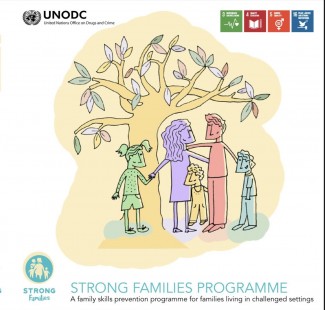
A supportive environment with nurturing caregivers is essential for the healthy development of children. For children who have been exposed to extreme stress, such as humanitarian contexts, the need for strong, healthy, nurturing caregiver relationships may assume even greater importance. The Strong Families programme, a UNODC family skills intervention, is presented as an example of an intervention that aims to bridge this gap of interventions that meet the need for humanitarian and contexts of extreme stress.

Risk of psychosis in illicit amphetamine users: a 10 year retrospective cohort study

Publication Date
Format
Scientific article
Themes
Treatment
Treatment Settings
Populations
Women
The illicit use of amphetamines, the stimulants commonly known as ‘speed’, is linked to a 5-fold heightened risk of psychosis, finds a 10 year study published online in the journal Evidence-Based Mental Health.

Mental Health Made Simple

Publication Date
Format
Video and audio recordings
Themes
Populations
Family

Twin Rivers Rehab

Mental Health Made Simple

What is Mental Health?

Mental health is a blanket term that refers to our emotional, psychological, and social well-being. It affects how we think, feel, and act. Mental health also helps...

European Web Survey on Drugs

Format
Book
Themes
Data
Public Health
Partner Organisation

The European Web Survey on Drugs collected data between March and April 2021 from people who use drugs, aged 18 or older, living in 21 EU and 9 non-EU countries. During this period the populations in many European countries were...

How People Living in Canada Consume and Acquire Cannabis: Assessing Progress in Minimizing Harms and Establishing a Safe Supply Chain

Publication Date
Format
Report
Themes
Populations
Family
Public Health
Data
Partner Organisation

Summary

People’s attitudes and behaviours about cannabis have shifted since it was legalized in 2018. The Canadian Centre on Substance Use and Addiction (CCSA) has funded research to examine these changes.

As we approach the three-year...

Concept of trauma and guidance for a trauma-informed approach

Format
Book
Themes
Mental Health
Partner Organisation

This manual introduces a concept of trauma and offers a framework for becoming a trauma-informed organisation, system, or service sector.

The manual provides a definition of trauma and a trauma-informed approach and offers 6 key principles...

Share the Knowledge: ISSUP members can post in the Knowledge Share – Sign in or become a member