


Search
 Recovery Support
The range of services, programmes, and community resources that help individuals sustain recovery and improve their health, wellbeing, and quality of life after or alongside treatment for substance use disorders. These supports may include peer support, recovery coaching, mutual-help groups, housing assistance, employment services, family support, and community-based recovery programmes. Recovery support recognises that recovery is an ongoing process and that long-term wellbeing often requires continued social, practical, and emotional support. By strengthening personal resilience, social connections, and opportunities for reintegration, recovery support plays an important role in comprehensive responses to substance use.


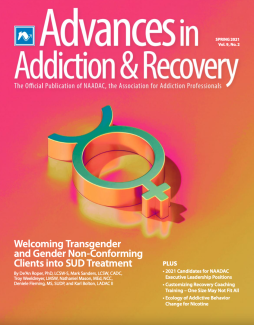
Advances in Addiction & Recovery- Latest Edition
Advances in Addiction & Recovery, the official publication of NAADAC, is a quarterly digital magazine focused on providing useful, innovative and timely information on trends and best practices in the profession that are beneficial for...
Dame Carol Black's Independent Review of Drugs in England
The second part of Dame Carol Black’s Independent Review of Drugs has been published. This report is the second part of a major independent review by Professor Dame Carol Black into the misuse of illegal drugs in England.
The first part of...
Substance Use Treatment and Stigma in Afghanistan: Challenges and Solutions
ISSUP Afghanistan are pleased to present their next Webinar which will include an introduction and basic information on the concept of stigma related to substance use treatment and recovery.
Dame Carol Black's Independent Review of drugs part two: prevention, treatment, and recovery
Part 2 of the major independent review by Professor Dame Carol Black into the misuse of illegal drugs in England. Published 8 July 2021
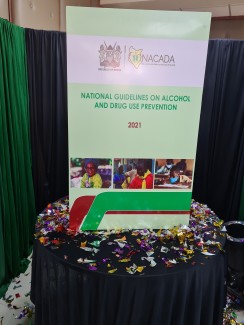
Kenya Launches National Guidelines on Drug Use Prevention
June 26, 2021, Nairobi, Kenya:- As the World commemorated the International Day Against Drug Abuse and Illicit Trafficking (IDADA) on June 26, 2021, Kenya has added another milestone in the journey towards a nation free from alcohol and...
Basics of Pharmacotherapy in SUD Treatment
ISSUP Afghanistan would like to invite you to attend their upcoming webinar on Basics of Pharmacotherapy in SUD treatment. The webinar will include an introduction and basic information on Pharmacotherapy in substance use treatment for detoxification, relapse prevention, and opoiod maintenance.
Mindfulness-Oriented Recovery Enhancement Remediates Hedonic Dysregulation in Opioid Users: Neural and Affective Evidence of Target Engagement
Abstract
Addiction neuroscience models posit that recurrent drug use increases reactivity to drug-related cues and blunts responsiveness to natural rewards, propelling a cycle of hedonic dysregulation that drives addictive behavior. Here...
Natural Recovery by the Liver and Other Organs After Chronic Alcohol Use
ABSTRACT
Chronic, heavy alcohol consumption disrupts normal organ function and causes structural damage in virtually every tissue of the body. Current diagnostic terminology states that a person who drinks alcohol excessively has alcohol...
CAPACITY BUILDING BY THE SHELTER NGO ( APRIL 5-10, 2021)
CAPACITY BUILDING FOR SUNSTANCE USE PREVENTION PROFESSIONALS
The Shelter Youth and Community Network (The Shelter NGO), approved Training Provider for the Colombo Plan Drug Advisory Programme (DAP) conducted her maiden training on the...

Using Nutrition to Promote Addiction Recovery
In this article Khary Rigg, Ph.D and Kelly Miller, NTMC introduce us to the importance of nutrition in addiction recovery and highlight some practical, evidence-based actions to consider when advocating for nutritional interventions in recovery care.
Nutrition in Addiction Recovery: Reading List
It is not uncommon for individuals with substance use disorder (SUD) to experience conditions which make healthy eating and proper nutrition more challenging.

A Delphi yarn: applying Indigenous knowledges to enhance the cultural utility of SMART Recovery Australia
Background: Mutual support groups are a popular treatment for substance use and other addictive behaviours. However, little is known about the cultural utility of these programmes for Indigenous peoples.
Methods: A three-round Delphi study...
A multi-methods yarn about SMART Recovery: First insights from Australian Aboriginal facilitators and group members
SMART Recovery is a popular mutual support group program. Little is known about its suitability or perceived helpfulness for Indigenous peoples. This study explored the cultural utility of SMART Recovery in an Australian Aboriginal context...
India/Nagaland: ‘Culture of acceptance responsible for substance abuse’
By Menuse-O Max Khieya, first published in the Eastern Mirror Nagaland on Sunday, March 14, 2021
Sechü-Zubza, March 14 (EMN): The additional deputy commissioner of Kohima, N Bhavani Sri, has expressed concern over the widespread abuse of...
The Role of Nutrition in Addiction Recovery
Join Khary Rigg, Ph.D., Associate Professor, Department of Mental Health Law and Policy, and Kelly Miller, NTMC, Nutritional Therapist and owner of The Addiction Nutritionist LLC for a webinar exploring the connection between substance use disorder and nutrition.
Recovery Community Centers: Characteristics of New Attendees and Longitudinal Investigation of the Predictors and Effects of Participation
Abstract
Objective
Recovery community centers (RCCs) have expanded across the U.S., serving as social “recovery hubs” that increase recovery capital (e.g., employment, housing) by providing resources that clinical care does not provide...
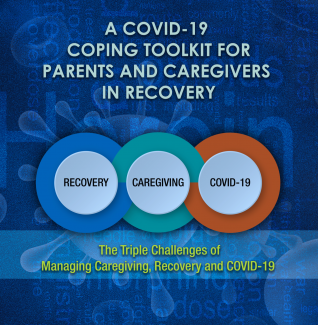
A Covid-19 Coping Toolkit for Parents and Caregivers in Recovery
This booklet is intended for a global audience of parents and caregivers who are in all stages of recovery from substance use disorders during the COVID-19 pandemic.
The main feature of this booklet includes seven tip-sheets that offer...
Fabrication Shadow over NICE-Recommended Family Therapy. Highlight from Effectiveness Bank Alcohol Treatment Matrix Cell A5
FABRICATION SHADOW OVER NICE-RECOMMENDED FAMILY THERAPY.
In Britain and internationally, study after study defies the faith placed in alcohol treatment in the criminal justice system as a way to reduce reoffending. Is it that the intensity...
Alcohol Treatment in the Criminal Justice System: Why Is the Record so Poor? Highlight from Effectiveness Bank Alcohol Treatment Matrix Cell A5
ALCOHOL TREATMENT IN THE CRIMINAL JUSTICE SYSTEM: WHY IS THE RECORD SO POOR?
In Britain and internationally, study after study defies the faith placed in alcohol treatment in the criminal justice system as a way to reduce reoffending. Is...
The Talking Route to Recovery. Effectiveness Bank Alcohol Treatment Matrix Row 4
View this message as a web page
Time to consolidate the lessons of row 4 of the Alcohol Treatment Matrix, all about therapies in which human interaction is intended to be the main active ingredient -...