


Search
 Treatment
The range of medical, psychological, and social services designed to help individuals reduce or stop substance use and manage substance use disorders. Treatment may include assessment, counselling and behavioural therapies, medication-assisted treatment, withdrawal management, and support for co-occurring mental or physical health conditions. Effective treatment is typically person-centred and evidence-informed, and may be provided in outpatient, community, or residential settings. Treatment aims to improve health and functioning, reduce substance-related harms, and support individuals in moving toward recovery and long-term wellbeing.


Medications in Drug Treatment – Tackling the Risks to Children
This report examines cases where children have died or come to harm from ingesting Opioid Substitution Treatment (OST) medicines prescribed to help people overcome drug addiction. There have been 17 Serious Case Reviews involving the...

Enzymes Involved in Cocaine Metabolism: A New Pharmacologic Approach to Treat Overdose Due to Cocaine
Abstract English/Spanish
Introduction: New therapeutic strategies against cocaine overdose toxicity have been developed. These new approaches are based on the design and synthesis of proteins involved in the destruction of cocaine before...
Systemic and Individual Factors in the Buprenorphine Treatment-Seeking Process: A Qualitative Study
Abstract
Background: Opioid use is a significant problem in Alaska. Medication-assisted treatment for opioid use, including buprenorphine, reduces withdrawal symptoms and the harm associated with opioid abuse. Understanding consumers’...
Reviewing England's Drug Misuse Treatment System
Public Health England’s recently published review reveals that the country’s drug misuse treatment system is performing well. However, there are still several areas that call for improvements.
Amongst the report’s findings, notable are:
- ...
New Online Training for Practitioners, Peer Mentors and Service Managers
This new platform allows substance misuse, probation and prison services to upskill their workforces in a scalable and consistent way, and optimise their use of the digital behaviour change programme Breaking Free.
Service providers can...
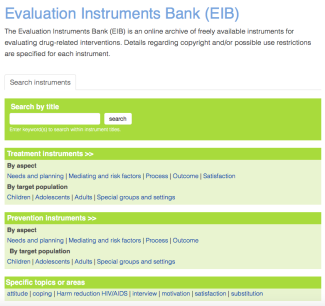
Free Resource for Evaluating Drug Prevention and Treatment Interventions
The Evaluation Instruments Bank (EIB) is an online database of freely available resources for evaluating drug prevention and treatment programmes and initiatives. You can search the archive by type of intervention (treatment or prevention)...
Readiness and Barriers to Adopt Evidence-Based Practices for Substance Abuse Treatment in Mexico
Evidence shows a lag in the adoption of evidence-based practices for substance abuse treatment and supports the need for studying the factors involved in this worldwide problem.
Treating Alcohol Addiction with Positive Relationships
A ‘therapeutic alliance’, or in other words, a positive and trusting relationship between counsellor and patient, could be the key to successful treatment of alcohol addiction, according to a new study. Patients who reported a more positive...
Healthier Alternatives and Natural Highs: The Success of the Icelandic Model
Over the past two decades, Iceland has seen teenage smoking, drinking and drug use dramatically decrease. This is partly because of state-funded initiatives which look to promote healthier alternatives, or ‘natural highs’, such as sport, family-orientated activities and cultural provisions.
Neural Processing, Risky Behaviour and Cocaine Use
According to new research published in the journal Biological Psychiatry: Cognitive Neuro-science and Neuroimaging, compared to people without a drug problem, cocaine addicts tend to make riskier choices after losing out on a potential...
Key Points from EMCDDA’s 2016 European Drug Report
As we welcome in the New Year it seems an ideal time to take stock and present the key points from the 2016 European Drug Report (EDR), the European Monitoring Centre for Drug and Addiction’s (EMCDDA) annual review of the European drug...
Returning from Rehab: What Are The Challenges of Re-Integration?
Residential ‘in-patient’ treatment for substance abuse – more commonly known as ‘rehab’ - is the favoured option among those wanting to recover from addiction.
The rate of relapse within the first year following being discharged, however...
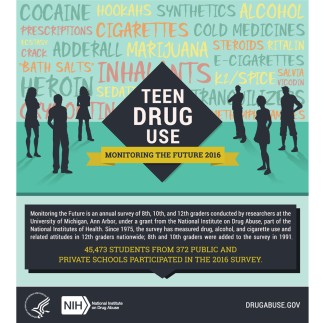
'Big data' on American Youth
Last week the National Institutes of Health (NIH) released the results of the annual Monitoring the Future Survey.
UTC and UPC in Paraguay
En un acto que se llevó a cabo en la sede de la Facultad de Filosofía de la Universidad Católica “Nuestra Señora de la Asunción”, el Rector de la citada Universidad y el Ministro de la SENAD dieron lugar a la firma de un convenio de...
Do Cognitive Processes Influence Nicotine Addiction?
A new study suggests that the way in which the human brain responds to nicotine depends on what a smoker believes about the drug’s content in a cigarette. The investigation found that smoking a cigarette that contains nicotine, but thinking...
2016 National Drug Threat Assessment
The purpose of the DEA's 2016 National Drug Threat Assessment is to provide timely and relevant strategic drug-related intelligence for policymakers in the United States to formulate counterdrug policies. Further, it helps law enforcement...
Scotland and New Psychoactive Substances
A collaborative research project geared towards understanding the patterns of use, motives and harms of New Psychoactive Substances (NPS) - commonly referred to as ‘Legal Highs’ - in Scotland has recently published its findings. Amongst the...
Health at a Glance: Europe 2016
The fourth edition of Health at a Glance presents key indicators of health and health systems throughout Europe. The quality of care has generally improved in most EU countries, yet disparities persist. Improved treatments for life...

Declining Addiction One Step at a Time
A new study carried out at the Case Western Reserve University School of Medicine has found that results from drug and alcohol addiction treatment programmes improve amongst teens when they stop smoking. The findings, which have been...
Mental Health and Substance Use: Prevention Guidelines for the Classroom
Mentor ADEPIS has recently released a detailed publication that aims to provide those working within the school setting with practical guidelines for helping to prevent children and young people from developing mental health issues as a...
