


Search
 Psychoactive Substances
Psychoactive substances are natural or synthetic substances that act on the central nervous system and alter mental processes such as mood, perception, cognition, consciousness, and behaviour. These substances may be legally prescribed medications (e.g., pain medications or sedatives), legally available substances such as alcohol or caffeine, or controlled or illicit drugs. Psychoactive substances can be used for medical, social, cultural, or recreational purposes, but some carry risks of misuse, dependence, and health or social harms when used in harmful ways.
Practical Guide for Implementing a Trauma-Informed Approach
The guide specifically focuses on tools and strategies for implementing a trauma-informed approach. This guide highlights the need for organizational assessment of readiness and capacity before implementing trauma-informed approach and...

ISSUP POSTER FOR LISBON ADDICTIONS 2022: STUDY ON SUBSTANCE USE AND THE ROLE OF FAMILIES IN KAZAKHSTAN, PAKISTAN AND UKRAINE
The fourth European Conference on Addictive Behaviours and Dependencies took place in Lisbon from 23–25 November 2022.
Under the overarching theme of Global Addictions, LxAddictions22 showcased cutting-edge research to help characterise...
AddictologyIssue 1/2023
The ASPIRE Standards: Taking a Step Towards Quality Assurance in Drug Prevention in France – A Case Study
INTRODUCTION: In the favourable political climate of the mid-2010s, the standards for Assessment & Selection of Prevention programmes Issued from the Review of EDPQS (ASPIRE) were developed to support project planning in drug prevention.
M...
AddictologyIssue 1/2023
National Implementation of Quality Standards in Prevention and Treatment Services for Substance Use/ Addictions – A Case Study of Cyprus
INTRODUCTION: The Cyprus National Addictions Authority (NAAC) is the main coordinating body for all matters related to licit and illicit substances as well as pathological gambling in Cyprus and it is responsible, inter alia, for the...
AddictologyIssue 1/2023
Substance Use Disorder Treatment Quality Standards in Lithuania 1992–2022: From Grassroots Initiatives to Nationwide Strategies
BACKGROUND: The implementation of quality standards in the treatment of substance use disorders in Lithuania is not well documented in the literature. AIMS: To describe the process of the development of quality standards from grassroots...
AddictologyIssue 1/2023
Stress and substance use among sexual and gender minority individuals
Sexual and gender minority individuals face marked disparities in substance use.
This narrative review explores research on substance use in sexual and gender minority communities. The authors define the sexual and gender minority...
The social context of drinking among LGBT+ people
Professor Carol Emslie and David Barbour discuss research on gender, identity and drinking, and the disproportionate impact of substance use in the LGBT+ community.
Stress, Coping, and Context: Examining Substance Use Among LGBTQ Young Adults With Probable Substance Use Disorders
In this research, the authors explored how lesbian, gay, bisexual, transgender, and queer (LGBTQ) young adults with problematic substance use made sense of their substance use in relation to their LGBTQ identities.
The authors interviewed...
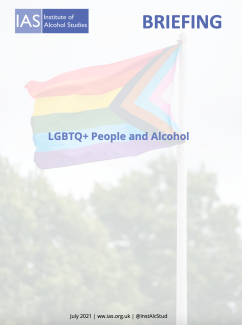
LGBTQ+ People and Alcohol
This briefing provides a summary of alcohol consumption, alcohol harm, alcohol treatment, and gaps in knowledge regarding alcohol use among LGBTQ+ people.
It uses the acronym LGBTQ+ to include lesbian, gay, bisexual, transgender, queer...
Substance Use in the LGBTQ+ Community: Reading List
Lesbian, Gay, Bisexual, Transgender and Queer (LGBTQ+) Pride month is celebrated each year during the month of June. Here you can find a list of resources and research on the topic of substance use among the LGBTQ+ community.
1) This repor...

European Drug Report 2023: Trends and Developments
The European Drug Report 2023: Trends and Developments presents the EMCDDA’s latest analysis of the drug situation in Europe. Focusing on illicit drug use, related harms and drug supply, the report contains a comprehensive set of national...
Treatment and Prevention of Substance Use Disorders in the Workplace
ISSUP Kenya present their webinar on Workplace Substance Use.
Family Day: NGO launches an information guide for parents
On the occasion of the International Day of the Family, celebrated on May 15 each year, the NGO RAPAA (Research Action Prevention Accompaniment of Addictions) organized a ceremony to launch a guide for families. This brochure aims to inform...

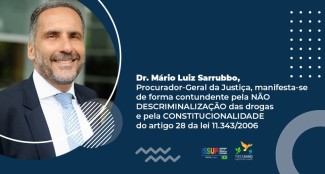
MPSP speaks out against the decriminalization of drug possession for personal consumption
Dr. Mario Luiz Sarrubbo, Attorney General of the State of São Paulo, filed a memorial with the Federal Supreme Court (STF) with the position of the São Paulo Public Prosecutor's Office on the agenda that deals with the possible...
Increase in driving after cocaine use in Spain: a cross-sectional dataset analysis for 2021
Objective: Driving under the influence of alcohol and/or drugs impairs skills essential for safe driving, increases the risk of being involved in a traffic accident and is particularly prevalent in Spain. The aim is to assess the prevalence...
Efectos del uso de cannabis fumada en adolescentes escolares
ISSUP Chile presentó un Webinar sobre 'Efectos del uso de cannabis fumada en adolescentes escolares'.
Reducing stigma towards people living with HIV and people who inject drugs
Despite extensive evidence regarding the negative effects of stigma experienced by people living with HIV (PLHIV) and people who inject drugs within health care settings, comparatively little evidence exists regarding the effectiveness of...
Consumption of psychoactive substances in samples of the Guatemalan school population
A research was carried out consisting of 4 master's degree graduation works, with mixed descriptive methodology, which deal with the different risk factors that cause students in Guatemala, who fall into problems of use, consumption and...
Treatment for drug and alcohol misuse should involve families and communities
Alcohol and other drug treatment are generally only provided for individuals, often away from their families. Treatment aims to improve well-being and reduce the harms of substance use and families and communities can play a significant...
Teens and substance use — what can parents do?
Objective: To help adults manage risks relating to adolescent substance use in line with evidence-based prevention principles.
Background: Smoking and drinking among 15–16-year-old school students are showing signs of decline, but there...