
Search
 Psychoactive Substances
Psychoactive substances are natural or synthetic substances that act on the central nervous system and alter mental processes such as mood, perception, cognition, consciousness, and behaviour. These substances may be legally prescribed medications (e.g., pain medications or sedatives), legally available substances such as alcohol or caffeine, or controlled or illicit drugs. Psychoactive substances can be used for medical, social, cultural, or recreational purposes, but some carry risks of misuse, dependence, and health or social harms when used in harmful ways.
The Diverse Reasons for Using Novel Psychoactive Substances
Abstract
Background
The increasing number of legally ambiguous and precarious Novel Psychoactive Substances (NPS) constitutes a challenge for policy makers and public health. Scientific and more in-depth knowledge about the motivations...
Gender Differences in Substance Use and Psychiatric Distress among Medical Students
ABSTRACT
Background: Medical student wellness has emerged as an important issue in medical education. The purpose of the present study was to obtain a comprehensive assessment of substance use, psychological distress, and help-seeking...
Granulocyte-Colony Stimulating Factor Controls Neural and Behavioral Plasticity in Response to Cocaine
Cocaine addiction is characterized by dysfunction in reward-related brain circuits, leading to maladaptive motivation to seek and take the drug. There are currently no clinically available pharmacotherapies to treat cocaine addiction...
Most-Read Knowledge Share Articles of 2017
Here is a selection of the most-read Knowledge Share articles of 2017. These are the articles that captivated our members most.
Psychological Distress, Family Functioning and Use of Psychoactive Substances in Administrative Workers of an Institution of Higher Education in Nicaragua
Alinka Patricia Avendaño Balladares
Introduction: Professionals in the field of mental health and addictions try to identify situations that cause psychoactive substances use in the population, especially the working population, due to...
Quality Measurers of Therapeutic Communities for Substance Dependence
Abstract
Background
In Latin America, substance related disorders are highly prevalent and one of the treatment strategies is the Therapeutic Communities (TCs), however, in Latin America there is scarce data about this treatment...
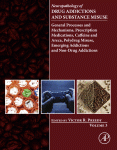
Chapter 18 – Drug Addictions and Genetics of the Dopamine Pathway
Abstract
Drug addiction refers to a broad phenotype, encompassing behavioral, cognitive, and biological (including genetic) substrates. Twin studies have estimated the heritability of drug addiction between 30% and 60%. Dopamine has a...
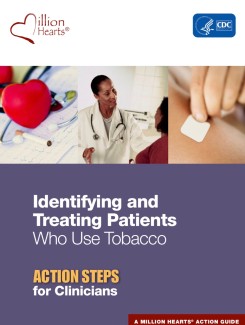
Identifying and Treating Patients Who Use Tobacco
'Million Hearts' is an initiative launched by the U.S. Department of Health and Human Services that aims to prevent 1 million heart attacks and strokes by promoting evidence-based intervention through communities, health systems, non-profit...
Reviewing Inclusion Health: An Intervention Programme for At-Risk Populations
Inclusion Health is a framework for action that helps find ways of improving the health and well-being for socially excluded groups. These populations, who have in common adverse life experiences and risk factors, such as poverty and...
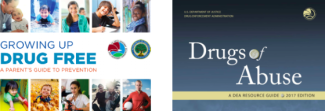
Keeping Youth Drug Free
Keeping Youth Drug Free is a new publication from the Substance Abuse and Mental Health Services Administration (SAMHSA). Aimed at parents, the guide offers advice for keeping children substance-free. It includes a review of the latest...

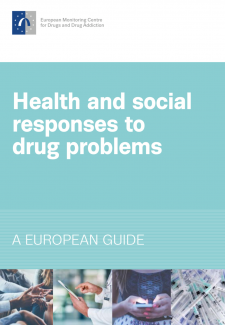
Health and Social Responses to Drug Problems: A European Guide
Health and social responses to drug problems: a European guide is a new publication from the European Monitoring Centre for Drugs and Drug Addiction (EMCDDA). Included alongside the guide is a set of online materials. Together these provide...
Effectiveness Bank Hot Topic: Does It Matter If Addiction Is a Brain Disease?
Seizing on the theory’s propaganda value, in 1997 the head of the US National Institute on Drug Abuse proclaimed, “Addiction Is a Brain Disease, and It Matters.” His contention has been hailed as a breakthrough or condemned as a...
Gambling Activates the Same Brain Pathways as Substance Addiction, New Study Finds
Problem gambling in the UK is reported to affect around 590,000 people.
The condition can be treated via a range of approaches, including cognitive behavioural therapy and medication.
Published in the journal Translational Psychiatry, a...
Risk and Protective Factors for Substance Use in High-Risk Populations
There tends to be an increase in prevalence of substance use issues within populations living in urban areas and where poverty levels are high.
Certain risk factors, more common in deprived areas, are particularly associated with substance...
Alcohol Marketing Regulation: From Research to Public Policy
Introduction
Alcohol marketing, promotion and sponsorship are widespread in most of the world today. Alcohol marketing is evolving constantly and utilizes multiple channels, including youth-oriented radio, television, sports events and...
Exercise in the Treatment of Youth Substance Use Disorders: Review and Recommendations
SUMMARY
Substance use disorders are one of the most common and debilitating mental health conditions experienced by youth, and several well-established risk factors exist that contribute to the development and persistence of SUDs...
Gender Differences in the Alcohol-Related Alterations in Cortical Activity
Background: Long-term alcohol use is known to harm brain functioning in adolescence. In the central nervous system, the effects of alcohol are particularly mediated by alterations in GABAergic neurotransmission. Combining simultaneous...
Addiction Training in Clinical Psychology: Does It Meet the Demand?
Clinical psychology is particularly well suited to offering a multifaceted response in order to help those living with a substance use disorder. A new study published in the academic journal American Psychologist investigates the extent to...
Acute Ethanol Administration Upregulates Synaptic α4-Subunit of Neuronal Nicotinic Acetylcholine Receptors within the Nucleus Accumbens and Amygdala
Alcohol and nicotine are two of the most frequently abused drugs, with their comorbidity well described. Previous data show that chronic exposure to nicotine upregulates high-affinity nicotinic acetylcholine receptors (nAChRs) in several...
Smoking, Drinking and Drug Use among Young People in England
Key findings
In 2016:
- 19% of 11-15 year old pupils had ever smoked, which is similar to 2014.
- 44% of pupils had ever drunk alcohol which is not comparable with earlier surveys.
- 24% of pupils reported they had ever taken drugs. This...