


Search
 Psychoactive Substances
Psychoactive substances are natural or synthetic substances that act on the central nervous system and alter mental processes such as mood, perception, cognition, consciousness, and behaviour. These substances may be legally prescribed medications (e.g., pain medications or sedatives), legally available substances such as alcohol or caffeine, or controlled or illicit drugs. Psychoactive substances can be used for medical, social, cultural, or recreational purposes, but some carry risks of misuse, dependence, and health or social harms when used in harmful ways.
Progression from E-Cigarettes to Conventional Cigarettes Dictated by Levels of Nicotine, Study Finds
Nicotine is the addictive component of conventional cigarettes. E-cigarettes are available in a range of nicotine strengths. Those that contain nicotine were deemed recently to be subject to regulation by the US Food and Drug Administration...
Delinquency and Substance Misuse Among US Teens See Significant Decline
12- to 17-year-olds in the US are now far less likely to misuse alcohol, nicotine and illegal drugs. The same age group is also less prone to delinquent behaviours, such as stealing and fighting than the generation before. This is according...
The Indirect Effect of Emotion Regulation on Minority Stress and Problematic Substance Use in Lesbian, Gay, and Bisexual Individuals
Lesbian, gay, and bisexual (LGB) individuals report higher levels of problematic alcohol and substance use than their heterosexual peers. This disparity is linked to the experience of LGB-specific stressors, termed minority stress...
Elements regulatory marijuana, to consideration for the effective protection of the health of the population
Abstract
When discussing the public health approach to the use of marijuana, the complexity of rigorous regulatory interventions for population protection is omitted. Using the experience of governments where these practices already exist...
Unmet Treatment Needs for People with Mental Health and Substance Use Disorders
In the US, less than 10% of adults with co-occurring mental health problems and substance use disorders get treatment for both. 50% do not receive treatment for either.
This highlights the vast discrepancy between the prevalence of co...
Childhood Matters: Alcohol and Drug Problems from a Child Rights Perspective
Millions of children globally suffer as a consequence of the use of intoxicating substances like alcohol and illicit drugs. This is an important, but too often neglected, child rights issue. The new FORUT publication “Childhood matters”...

Alcohol on YouTube: What Are Kids Viewing?
New research appearing in the latest volume of the Journal of Studies on Alcohol and Drugs examines YouTube videos that reference alcohol brands, and which are popular among underage audiences. Together, the videos analysed received just...
8 Steps Towards Minimising the US Opioid Crisis
Current levels of opioid addiction in the US are so alarming that in July 2017 the President’s Commission on Combating Drug Addiction and the Opioid Crisis urgently suggested that President Trump declare a national emergency to free up...

Patterns of Polydrug Use among Pregnant Substance Abusers
Abstract
Aim:
Studies of drug use during pregnancy have generally focused on individual substances or specific combinations of drugs. The aim of this article is to increase our knowledge about polydrug use and pregnancy in a Nordic...
The Cultural Aspect: How to Measure and Interpret Epidemiological Data on Alcohol-Use Disorders across Cultures
Abstract
Aims:
To examine the cultural impact on the diagnosis of alcohol-use disorders using European countries as examples.
Design:
Narrative review.
Results:
There are strong cultural norms guiding heavy drinking occasions and...
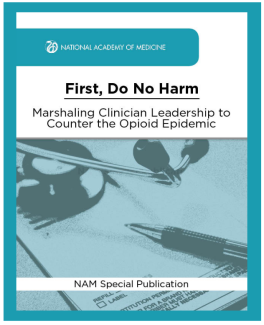
National Academy of Medicine Releases New Special Publication Guide
September 21, 2017
Halting the opioid epidemic requires aggressive action across multiple dimensions, including informed, active, and determined front-line leadership from health clinicians working in every setting throughout the nation...
Transcranial Magnetic Stimulation of Dorsolateral Prefrontal Cortex Reduces Cocaine Use
Abstract
Recent animal studies demonstrate that compulsive cocaine seeking strongly reduces prelimbic frontal cortex activity, while optogenetic stimulation of this brain area significantly inhibits compulsive cocaine seeking, providing a...
Chemsex: An Emergent Phenomenon
Chemsex is the term given to the intentional use of psychoactive drugs in order to maintain sexual relations between men who have sex with men (MSM), usually for long periods of time and with multiple partners. This phenomenon has also been...
Syndemic Risk Classes and Substance Use Problems among Adults in High-Risk Urban Areas
Substance use problems tend to co-occur with risk factors that are especially prevalent in urban communities with high rates of poverty. The present study draws on Syndemics Theory to understand profiles of risk and resilience and their...
Lack of Sleep and Substance Use: A Worrying Link
Children and adolescents need more sleep than adults. A good night's sleep for those in their teens is considered to be 8.5 – 9.5 hours. Just over ¼ of US high school students get 8+ hours of sleep a night, according to the 2015 Youth Risk...
Methamphetamine Increases Risk of Stroke, Study Finds
The use of methamphetamine, or what is commonly known as ‘speed’, ‘ice’, or ‘meth’, correlates with an increased risk of stroke among young people, according to new research published in the Journal of Neurology Neurosurgery & Psychiatry.
...Terminology and Stigma: How Should We Talk about Substance Use?
In the field of substance use prevention and treatment choosing the correct terminology can be tricky, especially if we want to avoid contributing to stigmatised perceptions of people battling with substance use disorders.
‘Abuse’, ‘abuser...
Barriers and Facilitators to Implementing Addiction Medicine Fellowships
Abstract
Background
Although progress in science has driven advances in addiction medicine, this subject has not been adequately taught to medical trainees and physicians. As a result, there has been poor integration of evidence-based...
Opioid Crisis Fast Facts
Opioid is abuse prescription pain medication that formulate to replicate of opium.

Neural Mechanisms of Extinguishing Drug and Pleasant Cue Associations in Human Addiction
Abstract
The neurobiological mechanisms that underlie the resistance of drug cue associations to extinction in addiction remain unknown. Fear extinction critically depends on the ventromedial prefrontal cortex (VMPFC). Here, we tested if...