


Search
 Psychoactive Substances
Psychoactive substances are natural or synthetic substances that act on the central nervous system and alter mental processes such as mood, perception, cognition, consciousness, and behaviour. These substances may be legally prescribed medications (e.g., pain medications or sedatives), legally available substances such as alcohol or caffeine, or controlled or illicit drugs. Psychoactive substances can be used for medical, social, cultural, or recreational purposes, but some carry risks of misuse, dependence, and health or social harms when used in harmful ways.
The Effectiveness of Illegal Drug Interventions
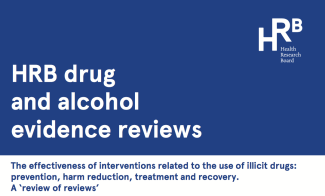
This Health Research Board document reviews evidence on the effectiveness of interventions in the areas of prevention, harm reduction and long-term recovery from addiction to illegal drugs.
It asks which interventions are effective for:
- ...
What Is Known about New Psychoactive Substances?
New psychoactive substances (NPS), sometimes referred to as ‘legal highs’, are new drugs that have received much media attention of late.
A new study published in Public Health Research reviewed existing research into NPS with the view to...
The Brain’s Role in Drug Addiction
Latest research suggests that the impairment of the lateral habenula (LB) – the region of the brain known to register negative experiences – can contribute to the development of drug addiction.
The study, conducted on laboratory rats by...
How to Tackle America’s Opioid Crisis?
Much the result of a poor understanding of how to treat chronic pain, the United States has in recent years been rocked by an unprecedented drug crisis: The opioid epidemic.
Opioids include drugs derived from opium, such as heroin, as...
Mortality among a Cohort of Heavy Drinkers in Edinburgh & Glasgow
A new report on alcohol-related deaths amongst heavy drinkers in Edinburgh and Glasgow has been released by SHAAP based on research funded by Alcohol Research UK and the Chief Scientist Office (Scotland). The project explored the effects of...

Implementation & Evaluation of an Intervention for Children in Afghanistan
The present study examined the impact of a novel intervention for children at risk for substance use or actively using substances that was provided to 783 children between 4 and 18 years of age in Afghanistan. They received the Child...
Towards a New Consensus for Addiction Medicine Training
A new study asks for the opinions of addiction experts, with a view to reaching a consensus on the necessary core skills that medical education ought to cover.
Drug Misuse and Dependence: UK Guidelines on Clinical Management
There is no more important document for doctors treating problem drug use in the UK than the so-called ‘Orange guidelines’. This major update will substantially inform judgements of what constitutes acceptable medical practice - should...
Tackling Youth Substance Use with 12-Step Programmes
A new study recently published in the academic journal Addiction suggests that substance use treatment programmes that incorporate 12-step practices, such as that used by Alcoholics Anonymous (AA), are more effective for combatting...
Drug Use in England and Wales
Illegal drug use trends among 16- to 59-year-olds in England and Wales are examined in a new UK Home Office release based on the findings from the 2016 – 2017 Crime Survey for England and Wales (CSEW).
The survey used a representative...
Child Mental Health Problems Increase Risk of Addiction, Study Finds
A new study published in the Journal of the American Academy of Child and Adolescent Psychiatry (JAACAP) suggests there to be a correlation between childhood psychiatric disorders and an increased risk of developing addiction in adulthood.
...Family Therapy for Adolescents with Behavioural Problems
Multidimensional family therapy addresses:
- Mental health, substance use and other behavioural issues affecting young people
- The parents’ childrearing skills/personal functioning
- Parent-child communication/relationship
- Family members'...
New Consensus Document For Drug Testing in Clinical Addiction Medicine
A new Consensus Document from the American Society of Addiction Medicine (ASAM) appears in the new edition of the Journal of Addiction Medicine.
The document provides practical, evidence-based recommendations regarding the use of drug...

Adolescents Most Susceptible to Addiction, Study Finds
The developmental stage from adolescence to adult is often associated with a greater vulnerability to addictions than at any other point during the human life cycle.
Suggested reasons for this include:
- Genetic predisposition
- Poor...
An Expanding World of Novel Psychoactive Substances: Opioids
The abuse of novel psychoactive substances (NPS) has been increasing dramatically worldwide since late 2000s. By the end of 2015, more than 560 NPS had been reported to the European Monitoring Centre for Drugs and Drug Addiction. Although...
Factors Associated with Nicotine Dependence during Methadone Maintenance Treatment
Abstract
Objectives: Smoking is associated with adverse health outcomes among drug users, including those in treatment. To date, however, there has been little evidence about smoking patterns among people receiving opioid-dependence...
E-Cigarettes Less Addictive Than Traditional Cigarettes, Study Finds
E-cigarettes are less addictive than traditional cigarettes, according to a new study published in the journal Preventative Medicine.
That said, around 75% of e-cigarette smokers still consider themselves to be dependent on their use.
Mor...
Study Finds Increased Cannabis Use among Certain US States
Over the last few decades, the United States has entered a new phase in its cannabis control policies.
As of November 2016, 28 US states and Washington, D.C. had legalised cannabis use for medicinal purposes.
Eight of these and Washington...
Should you Recommend Acupuncture to Patients with Substance Use Disorders?
Acupuncture is an ancient therapeutic tool known to be the core of traditional Chinese medicine. Two theories suggest positive outcomes in patients treated with acupuncture:
- The oxidative stress reduction theory states that a “large body...
Non-Medical Prescription Opioid & Heroin Use among Adolescents Who Engage in Sports
ABSTRACT
OBJECTIVES: Previous research has found that adolescent athletes may be at increased risk of non-medical prescription opioid use (NPOU) due to injuries. Although adolescent athletes are at an increased risk of engaging in NPOU, it...