Search
 Populations
Distinct groups of people within a society who share certain characteristics such as age, gender, geographic location, socioeconomic status, cultural background, or exposure to particular risk factors that may influence patterns of substance use, vulnerability to substance use disorders, and access to services. In the context of substance use systems, identifying and understanding different populations helps guide the design of prevention, treatment, recovery, and policy responses that are appropriate, equitable, and responsive to specific needs. Examples may include youth, women, people experiencing homelessness, individuals in the criminal justice system, or communities affected by specific social or economic conditions.


Effect of 2 Integrated Interventions on Alcohol Abstinence and Viral Suppression among Vietnamese Adults with Hazardous Alcohol Use and HIV: A Randomized Clinical Trial
Abstract
Importance Hazardous and heavy alcohol use is common among people living with HIV and may decrease antiretroviral therapy (ART) adherence, but limited data exist from randomized clinical trials about the effects of interventions...
Applied Prevention Science International (APSI)- Upcoming Courses
The APSI Education Centre is running a series of summer courses. Find out more about the events below.
Evidence-Based Prevention Interventions and Policies: New Tools for Prevention Professionals
Sep 24, 10:00 AM – 1:00 PM EDT
Sep 29, 3...

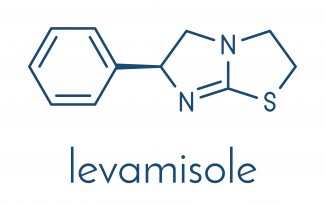
Levamisol: Un Adulterante Tóxico Encontrado en Drogas Ilegales Que se Consumen en las Calles
Alerta Global en Materia de Salud Pública
Los encargados del tratamiento por abuso de sustancias, los médicos clínicos, los extensionistas, las clínicas de salud pública, etc. deben conocer la información que se detalla a continuación. Un...
UNODC Bulletin on Narcotics Volume LXII, 2019- Drugs in the Nigerian Population
The present issue of the Bulletin (vol. LXII, 2019), whose guest editor is Isidore Obot, professor of Psychology, University of Uyo, and Director of the Centre for Research and Information on Substance Abuse, Uyo, Nigeria, is focused on the...
Online Training- Families and Substance Use
Course: Families and substance use: the impact of hidden harm, trauma and protective factors
An online training course, delivered via Zoom.
The training will take place over two days and four separate sessions, lasting two and a half...
Some effective tactics for preventing drug use
National and international drug prevention networks, community leaders and strong community coalitions are the key to changing public attitudes and reducing the availability of illicit drugs worldwide. Some effective tactics include...

ATTC Ukraine and Central Asia- Women and Substance Use Disorders Webinar
The effect of psychoactive substances on the human body has it’s gender differences. For example, alcohol dependence is a growing problem among women. Predisposition to alcoholism is higher in women primarily due to structural and...
Navigating Addiction and Treatment A Guide for Families
About the Report
Navigating Addiction and Treatment: A Guide for Families is a resource for family members who are trying to navigate the complex world of addiction and help loved ones achieve recovery. The guide includes basic definitions...
Parent participation and prevention at school
In another video of the channel Prevent Always, Rodrigo Flaire and Claudemir dos Santos end the series that deals with life skills, talking about the importance of parents' participation for prevention in school,about how parents can...

Webinar: Drug Use in Adolescents in the Pandemic Era: An Understanding of the Family Relationship
ISSUP Chile invites you to participate in a webinar on ''drug use among adolescents in pandemic times: an understanding of the relational family' to be held on 10 September 2020, from 12:00 to 13:00 (Chile time)
September 10, 2020, 12:00
...Webinar: Teen Drug Use in Pandemic Times: An Understanding from the Family Relational
ISSUP Chile invites you to participate in a webinar on 'Drug Use in Adolescents in Times of the Pandemic: An Understanding from the Family Relational' to be held Thursday, September 10, 2020, 12:00 - 13:00 hrs (Chile Time)
September 10
...Report of the Pan-African Epidemiology Network on Drug Use (PAENDU) for the period 2016-2017
This is the first report of the Pan-African Epidemiology Network on Drug Use (PAENDU) and is based on available data for 2016 and 2017.
The report provides information on the methods used for data collection and presents data on drug...

What Influences Pre-teens to Drink Alcohol?
Research has shown there to be a link between heavy drinking in youth and increased risky behaviour and reduced educational effectiveness.
In order to understand the factors that are associated with binge drinking in adolescence and young...
Migrant Communities and the COVID-19 Response in Sub-Saharan Africa
Migrant communities and the COVID-19 response in sub-Saharan Africa
Ikenna Daniel Molobe1,&, Oluwakemi Ololade Odukoya1,2, Brenda Chukwufunanya Isikekpei3, Flavio Francisco Marsiglia4
1Non-Communicable Disease Research Group...
“The Impact of New Normal Era on Drug Addiction: What needs to be prepared?”
“The Impact of New Normal Era on Drug Addiction: What needs to be prepared?”
Contributor: Anzany Tania Dwi Putri, Oral Medicine Specialist, Indonesian National Narcotics Board
Rehabilitation Centre
The emergence of COVID-19 since December...
I choose Life over drinking alcohol
Harmful use of alcohol is an avoidable risk factor for many diseases and social problems.
Alcohol is estimated to cause about 3.7% of all deaths; with 2.3 million premature deaths, and 4.4% of the global burden of disease. In addition...
Treatnet Family - Training Packages
The Treatnet Family training package was developed as part of the UNODC Treatnet training strategy to support Member States in their efforts to provide evidence-based drug use disorder treatment and care.
Treatnet Family contributes...
Discussion on Drug Abuse and Gender Based Violence (GBV)
Announcement!!! Announcement!!!
Youth Against Drug Abuse Foundation (YADAF) International In collaboration with SAIARD Council of World Youth Forum bring to you a Discussion about how drug abuse contribute to the increase rate of GBV...

Discussing Alcohol Use with the GP
A General Practitioner (GP) is often the first point of contact for people struggling with alcohol related issues. These doctors must be trained to detect problematic drinking as well as have the confidence and skills to have open...
National Drug Strategy Household Survey 2019
Summary
Tobacco, alcohol and illicit drug use can place a heavy burden on individuals, families and society. The health,
social and economic effects are diverse and substantial, and include disease and injury, mental health
conditions...