

Search
 Populations
Distinct groups of people within a society who share certain characteristics such as age, gender, geographic location, socioeconomic status, cultural background, or exposure to particular risk factors that may influence patterns of substance use, vulnerability to substance use disorders, and access to services. In the context of substance use systems, identifying and understanding different populations helps guide the design of prevention, treatment, recovery, and policy responses that are appropriate, equitable, and responsive to specific needs. Examples may include youth, women, people experiencing homelessness, individuals in the criminal justice system, or communities affected by specific social or economic conditions.


Codependency on Drug Abusers' Mothers
Desirée Molina, A. Villalobos. José Félix Ribas Foundation, Venezuela
Codependency has been described as a significant health risk behavior, particularly for women, because codependent women are often involved in abusive and harmful...
A Collaborative Approach to the Treatment of Pregnant Women with Opioid Use Disorders
This manual offers best practices to states, tribes, and local communities on collaborative treatment approaches for pregnant women living with opioid use disorders (OUD), and the risks and benefits associated with medication-assisted...

Role of Parenting Styles in Internalizing, Externalizing, and Adjustment Problems in Children
Abstract
Introduction. Different studies have reported the relationship of parenting styles with adjustment problems in children. However, it has not been specified which aspects of parenting styles play a central role in the manifestation...
TIP 51: Substance Abuse Treatment: Addressing the Specific Needs of Women
Publication
This guide assists providers in offering treatment to women living with substance use disorders. It reviews gender-specific research and best practices, such as common patterns of initial use and specific treatment issues and...
Associations of Psychosocial Factors with Multiple Health Behaviors: A Population-Based Study of Middle-Aged Men and Women
Abstract
Background: The health behaviors smoking, risky alcohol consumption, insufficient physical activity, and poor diet constitute the main contributors to non-communicable diseases. Clustering of risk behaviors is common and...
Association of Alcohol Screening Scores With Adverse Mental Health Conditions and Substance Use Among US Adults
Abstract
Importance: Alcohol screening may be associated with health outcomes that cluster with alcohol use (ie, alcohol-clustering conditions), including depression, anxiety, and use of tobacco, marijuana, and illicit drugs.
Objective: T...
WEBINAR: Cary Hopkins Eyles on Authentic Self-Care for Addiction Professionals
This webinar focuses on the issue of self-care for addiction professionals and was delivered by ICUDDR Deputy Director Cary Hopkins Eyles.
Many of us are drawn to work in the field of substance use disorders due to our history, family, and...

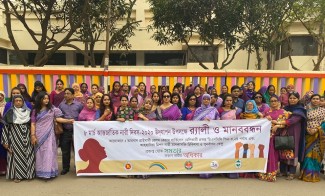
Ahsania Mission Female Drug Treatment and Rehabilitation Center Observes International Women’s Day 2020
Reflecting the theme - “I am Generation Equality: Realizing Women's Rights”, Ahsania Mission Female Drug Treatment and Rehabilitation Center organized a human chain formation followed by a discussion meeting in collaboration with Dhaka...
Women and Smoking Seminar
While men are currently more likely to smoke than women, this sex/gender gap is narrowing globally. This is especially concerning given that compared to men, women are at higher risk for smoking-related adverse health effects and also have...

SEXUAL RISK AND DRUG USE IN WOMEN
Authors: Desiree MolinaMSc,Greysi Rivero, Sandra Colina
The aim of this research is to determine the relationship between sexual risk behavior and drug use in women participating in an outpatient treatment program at the José Félix Ribas...
Developmental Nicotine Exposure Engenders Intergenerational Downregulation and Aberrant Posttranslational Modification of Cardinal Epigenetic Factors in the Frontal Cortices, Striata, and Hippocampi of Adolescent Mice
Abstract
Background
Maternal smoking of traditional or electronic cigarettes during pregnancy, which constitutes developmental nicotine exposure (DNE), heightens the risk of neurodevelopmental disorders including ADHD, autism, and...
Implemented a Twelve Weeks "Staff Wellness Program" at Aas Trust
The objective of this 12 weeks Wellness Program is to equip addiction professionals working with people (i.e., children, women, and adults) with substance use disorder. We know that they are at the front and are directly involved in...

The role of genatics in the prevention of
The role of genetics in prevention
Substance use disorders can occur in families. Research suggests that genetics represents about 1-2 of a person's likelihood of developing a substance use disorder.
Genes are the functional units of our...

18 National Trainers from Central Asia Trained on Advance UTC Courses 14 and 17 in Uzbekistan
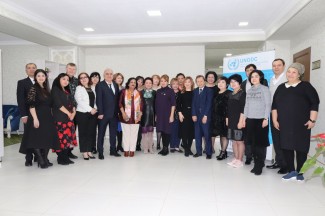
24-29 February 2020 - A team of national trainers from Central Asia attended the Universal Treatment Curriculum (UTC) Regional Training of Trainers held in Tashkent, Uzbekistan.
The training was organized by the UNODC Regional Office for...
Trauma Informed Care for Alcohol and Other Drug (AOD) Practice
Trauma, especially during childhood, can negatively impact the way our brains develop.
Adverse childhood experiences (ACEs) are potentially traumatic events experienced before reaching the age of 18, including but not limited to abuse or...
Differences between Girls and Boys at Treatment Entry and in Response to Treatment
Psychoactive substance use among children in Afghanistan is an issue of concern. Somewhere around 300,000 children in the country have been exposed to opioids that either parents directly provided to them or by passive exposure. Evidence...
Read and sign the Open Letter of the "Permanent Forum for Drug Mobilization"
The Permanent Forum for Drug Mobilization was launched by the Ministry of Citizenship on Wednesday, February 12, 2020, in Brasilia and called for entities and society to participate in the work of prevention and combating drugs. In addition...

CCSA Alcohol Resources
Healthcare and allied health professionals — including family physicians, nurses, addiction specialists, psychologists and social workers — use alcohol screening, brief intervention and referral to treatment (SBIRT) to help individuals...
Harmful Use of Alcohol and Other Drugs: A Challenge for Brazilian Society
The harmful use of alcohol and other drugs is a topic that Brazilian society frequently discusses, but due to its breadth and complexity, it is also a subject that returns to the debate due to the depth of its causes and the severity of its...

Recreational Cannabis Legalization and Maternal Cannabis Use
With the rise in the number of states that have legalized recreational cannabis, the states considering legalization, and the increased prevalence of cannabis use among pregnant women, it is critical to understand the impacts of cannabis...