


Search
Prisons / Corrections
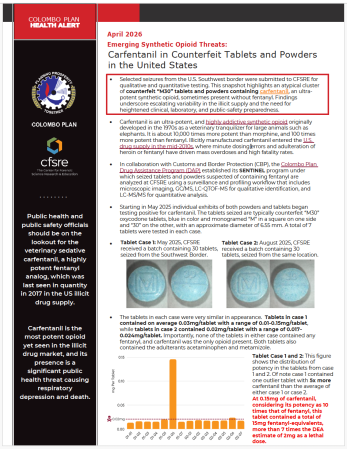


A Conceptual Model for Understanding Post-Release Opioid-Related Overdose Risk
Abstract
Post-release opioid-related overdose mortality is the leading cause of death among people released from jails or prisons (PRJP). Informed by the proximate determinants framework, this paper presents the Post-Release Opioid-Related...
A Rapid Systematic Review of What We Know about Alcohol Use Disorders and Brief Interventions in the Criminal Justice System
-
Purpose
– The purpose of this paper is to review the evidence of alcohol use disorders within the different stages of the criminal justice system in the UK. Furthermore it reviewed the worldwide evidence of alcohol brief interventions...
How to Deliver Effective Opioid Substitute Treatment in Prisons
This webinar focuses on:
-
Overcoming organisational and cultural issues
-
Stabilisation and assisted withdrawal
-
Retox and continuity of care
Presenters:
Dr Joss Bray, Clinical Lead for Drug and Alcohol Treatment in the...
Effectiveness Bank Drug Treatment Matrix Row 5: Reducing Crime, Protecting Families
Time to consolidate the lessons of the last five instalments of our course on drug treatment research. Row 5 explored key studies on treatment in relation to safeguarding the family and the community from crime. A common theme was the...
Mombasa to set up prison drug rehabilitation clinic
Mombasa's prison department will soon be introducing methadone programs for heroin injecting drug users.

2018 NDARC Annual Research Symposium - Presentations
A number of presentations from the 2018 NDARC Annual Research Symposium, which was held on Monday, 8 October 2018, have been made available.
The theme of the event was Clinical, community and policy responses to emerging problems in drug...
Effectiveness Bank Matrix Cell: Crime-Reducing Drug Treatment Systems
Last of the 25 cells of the Drug Treatment Matrix explores research on how local treatment systems can protect the community – treatment in itself, and treatment offered or imposed by law enforcement authorities. The task is to meld...
Barriers to Addiction Treatment among Formerly Incarcerated Adults with Substance Use Disorders
Abstract
Background
Addiction treatment improves substance use and criminal recidivism outcomes among justice-involved individuals with substance use disorders, but is underutilized. Although information exists regarding barriers to...
Effectiveness Bank Matrix Cell: Reconciling the Interests of Community, Clients, and Families
Key studies on the roles of management in treatment’s impacts on crime and safeguarding the community, with a focus on criminal justice and child protection. Explore what research can offer managers who have to reconcile the interests of...

The Effect of Public Health-Oriented Drug Law Reform on HIV Incidence in People who Inject Drugs in Tijuana, Mexico
Summary
Background
As countries embark on public health-oriented drug law reform, health impact evaluations are needed. In 2012, Mexico mandated the narcomenudeo reform, which depenalised the possession of small amounts of drugs and...
Effectiveness Bank Matrix Cell: Coercion Tests Therapeutic Skills
Key studies on the contribution of the practitioner to reducing crime and safeguarding the community. Commentary risks formulating a general rule: The trickier the situation, the more the worker matters. Implication is that therapeutic...
Effectiveness Bank Hot Topic. Naltrexone Treatment of Offenders: Ethics and Evidence
Opinion is sharply divided on the ethics and effectiveness of pressuring opioid-dependent offenders to take the opiate-blocker naltrexone. Especially sharp is the controversy over long-acting products not approved for medical use in the UK...
Effectiveness Bank Matrix Cell: Intervening to Safeguard the Community
Key studies on treatment’s contribution to safeguarding the community and preventing crime. Commentary addresses two highly controversial issues: whether it is ever safe to leave children with seriously problematic drug users, and the...
Naloxone in Homelessness Services
With drug-related deaths at the highest number since comparable statistics began, why aren’t more homelessness services using naloxone to prevent overdose deaths?
Auditor General Slams 'Unacceptable' Lack of Treatment for Mentally Ill Inmates
New Brunswick jails aren't offering any addiction treatment or therapy for mentally ill inmates, according to the province's auditor general.
Kim MacPherson's investigation into treatment in jails revealed a patchwork system where no one...
Patrones de consumo de heroína en una cárcel de la frontera norte de México: barreras de acceso a tratamiento
RESUMEN
Objetivo: Describir la prevalencia del consumo de heroína, los patrones de inicio, el alto consumo y la dependencia a esta sustancia e identificar barreras que impidan a los adictos acudir a tratamiento. Material y métodos: El...
Fatal and Non-Fatal Overdose among Opiate Users in South Wales
A study published in the International Journal of Drug Policy, Fatal and Non-Fatal Overdose among Opiate Users in South Wales: A Qualitative Study of Peer Responses, explores the behaviour of witnesses to opiate overdoses.
The research...
Acquiring a role opposite a forgotten social reality
Gaining a leading role opposite a forgotten social reality
Eduardo H. Loyola Arguello (ISSUP Member)
El Salvador is a geographically small country, with a history characterized by pain, conflict and great need, but where the Salvadoran...

A Randomized, Open Label Trial of Methadone Continuation versus Forced Withdrawal in a Combined US Prison and Jail: Findings at 12 Months Post-Release
Research carried out in in North America has found that offering continued methadone maintenance to those entering the prison system can have positive outcomes.
A Randomized, Open Label Trial of Methadone Continuation versus Forced Withdrawal in a Combined US Prison and Jail
Highlights
- MMT during incarceration leads to lower injection drug and heroin use.
- MMT during incarceration leads to fewer non-fatal overdoses.
- MMT during incarceration leads to higher rates of engagement in treatment.
Abstract
Recen...