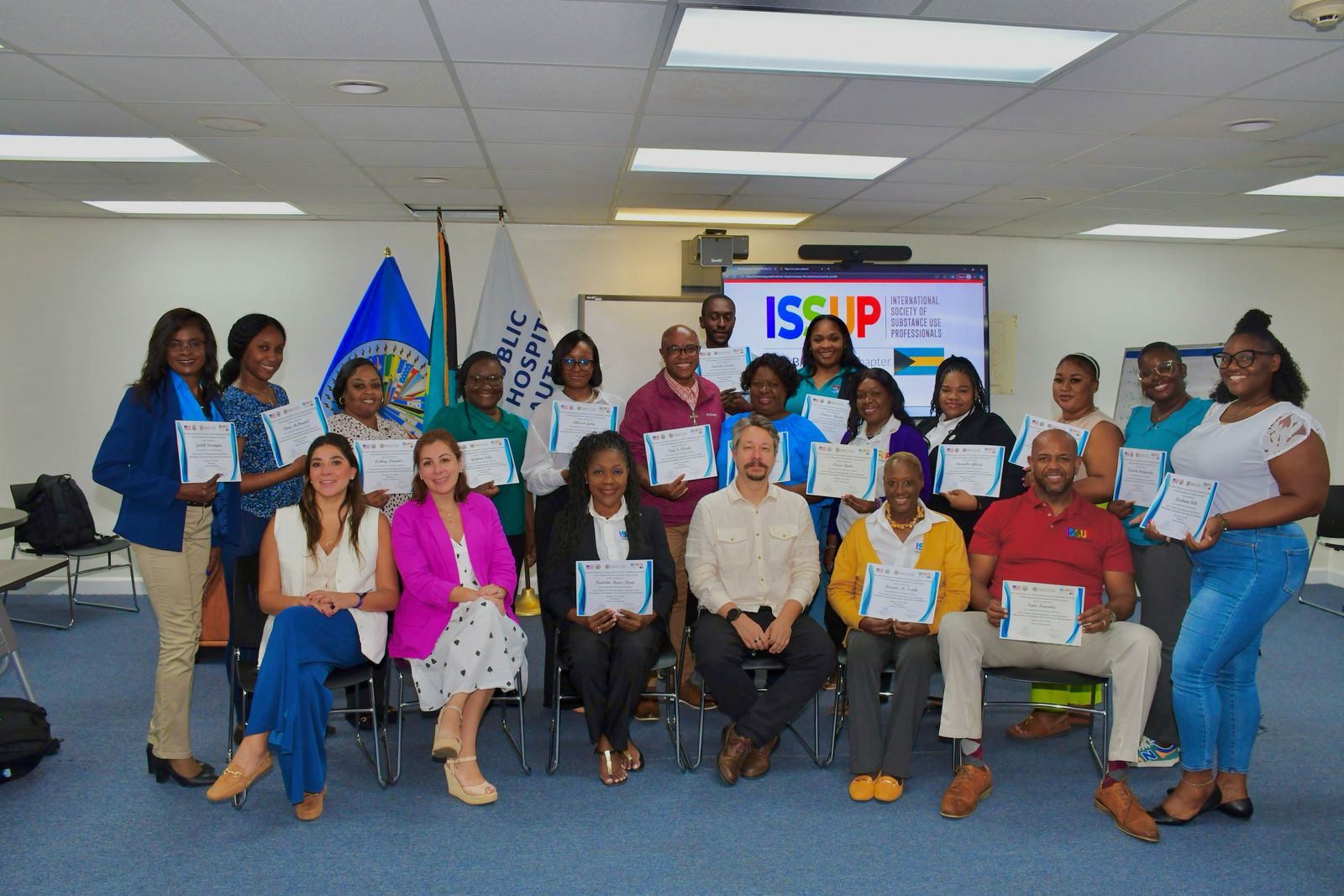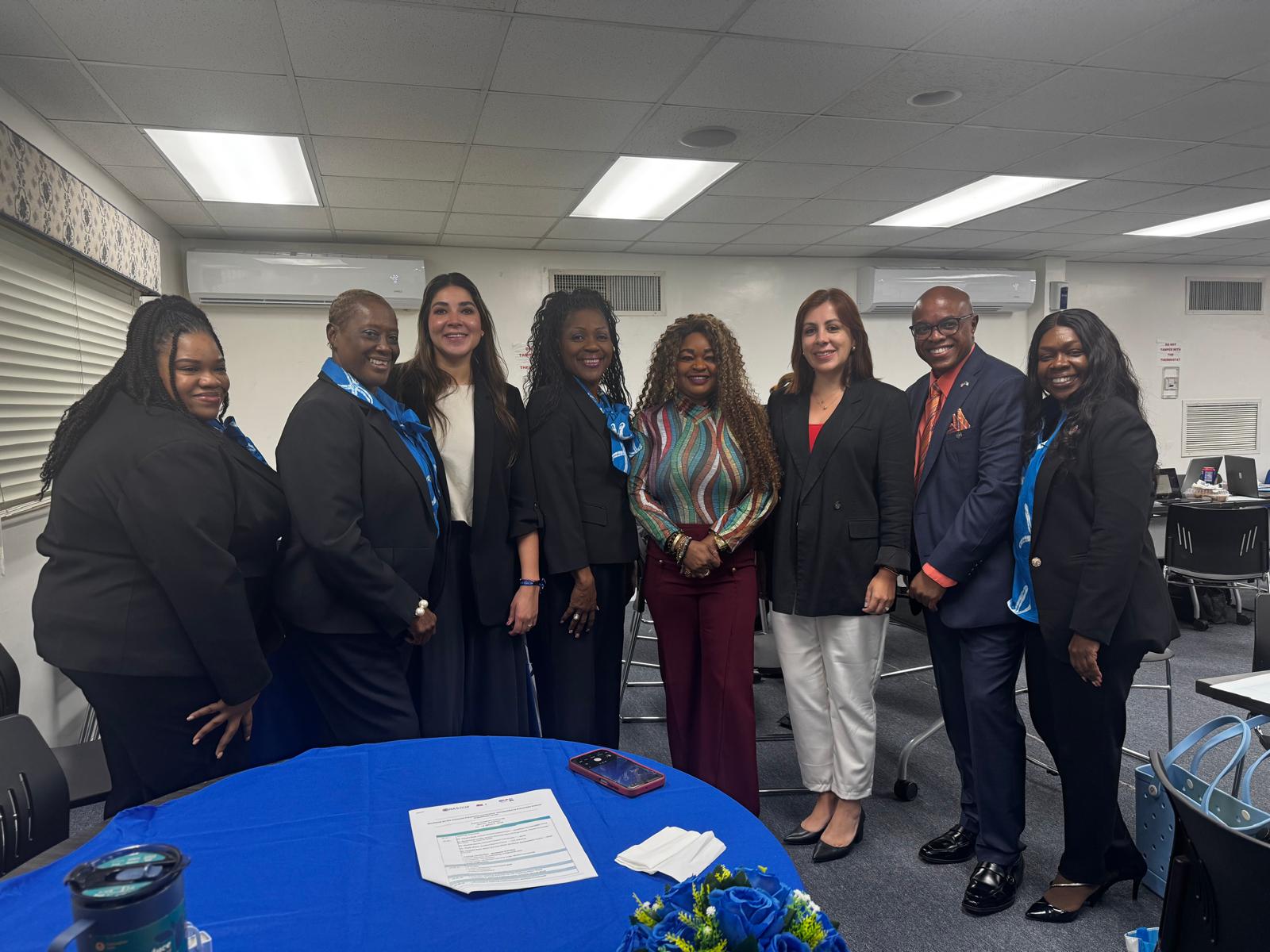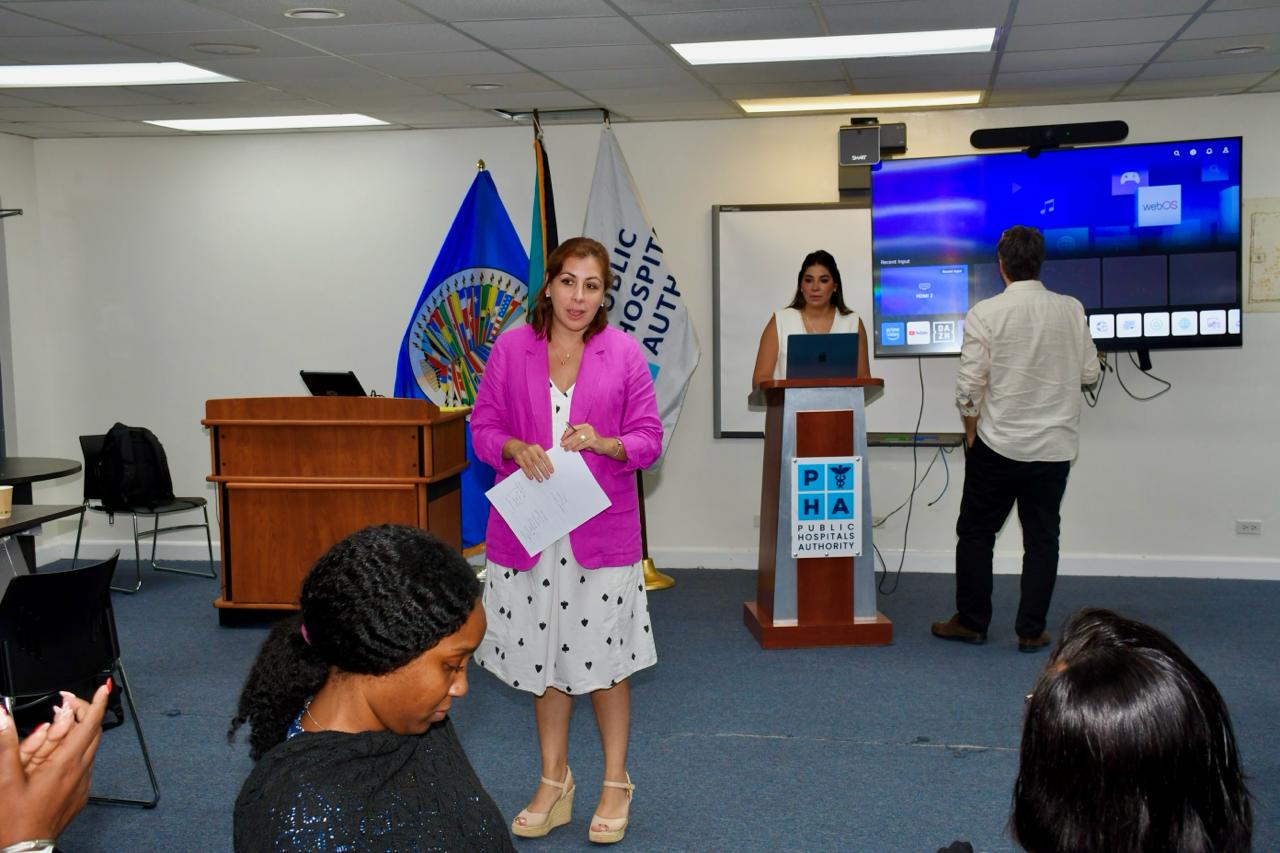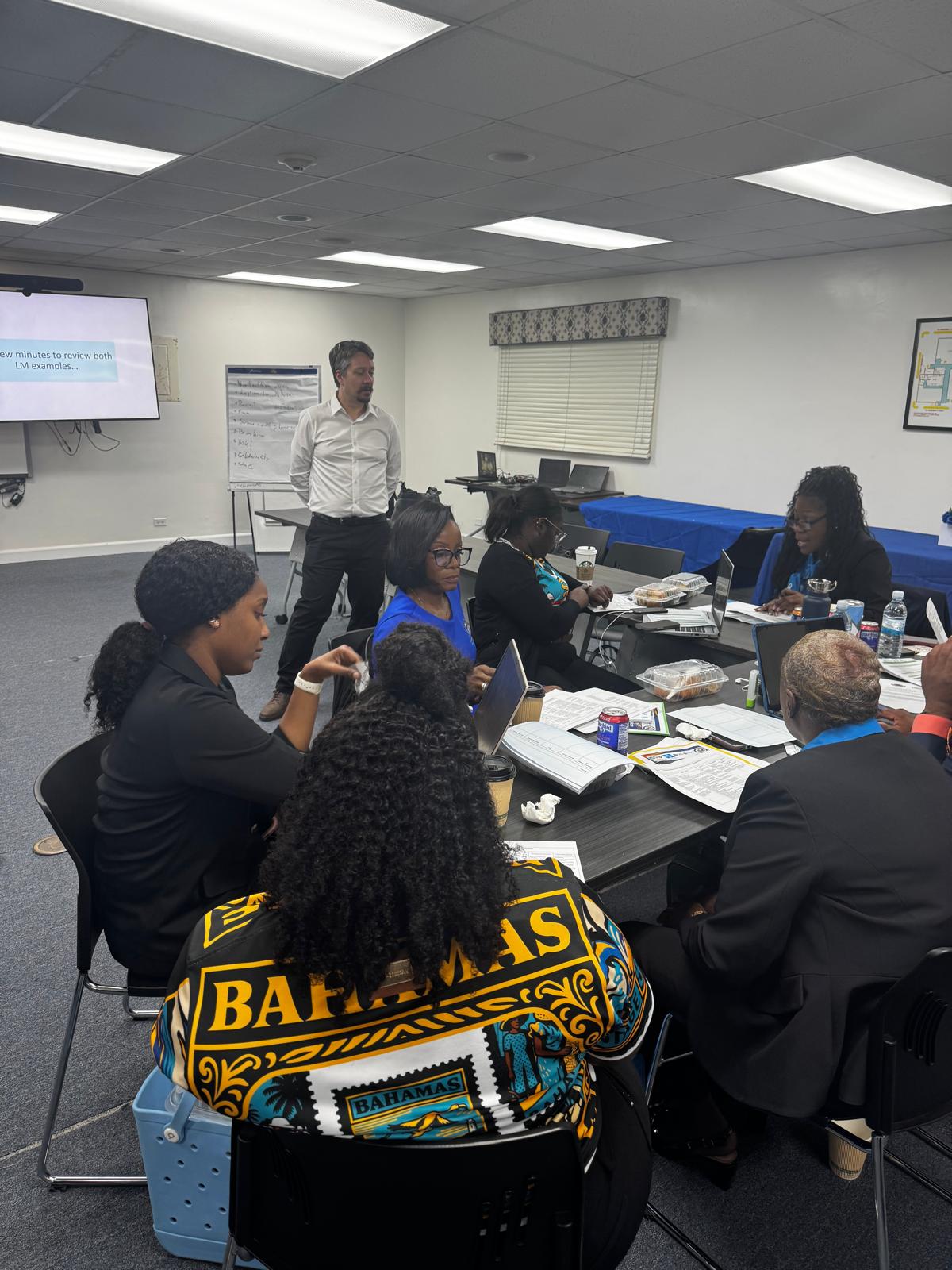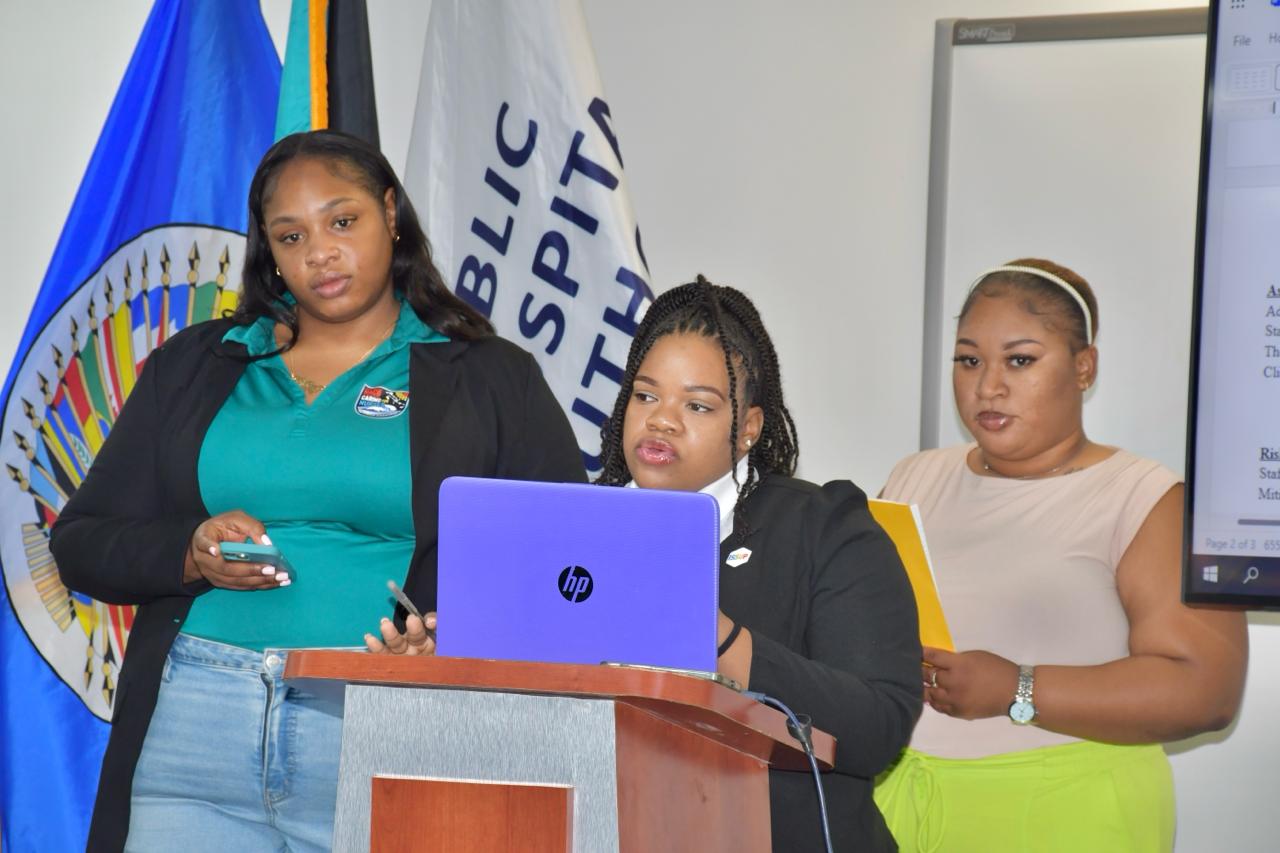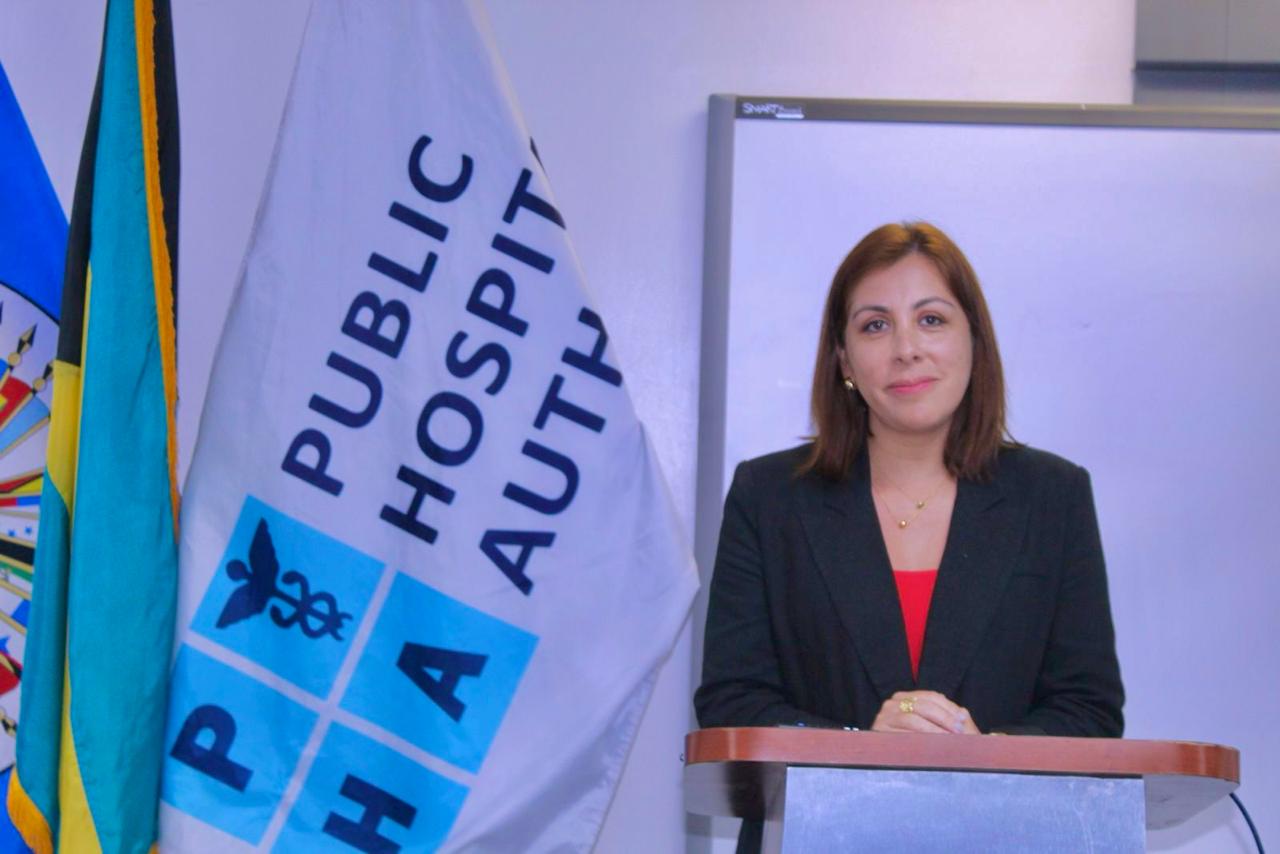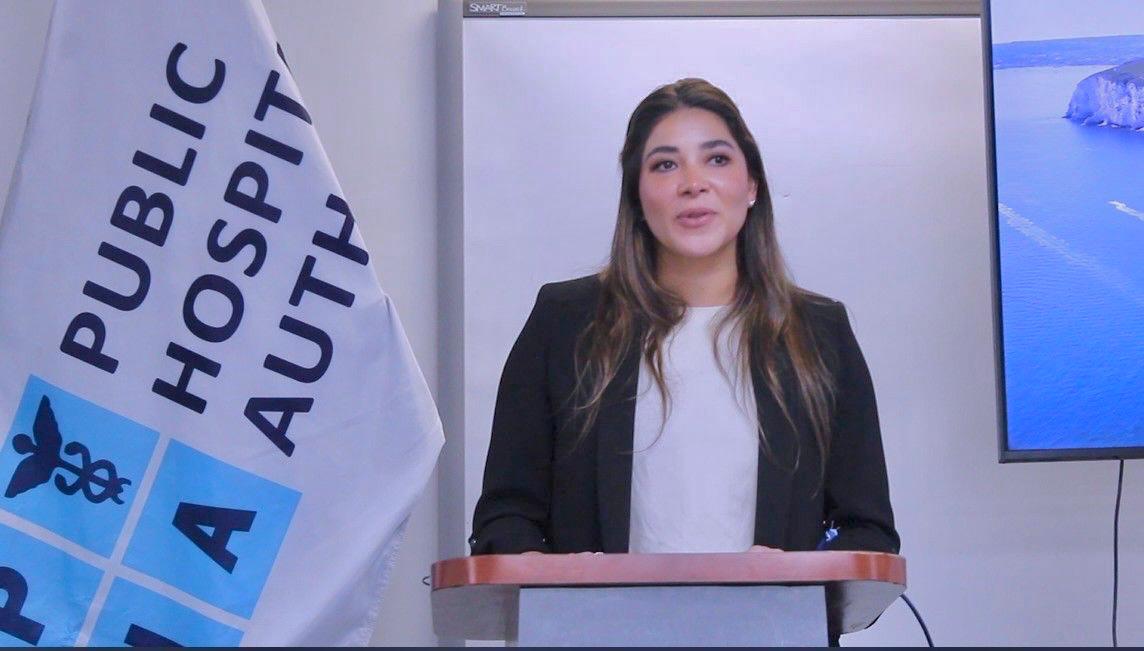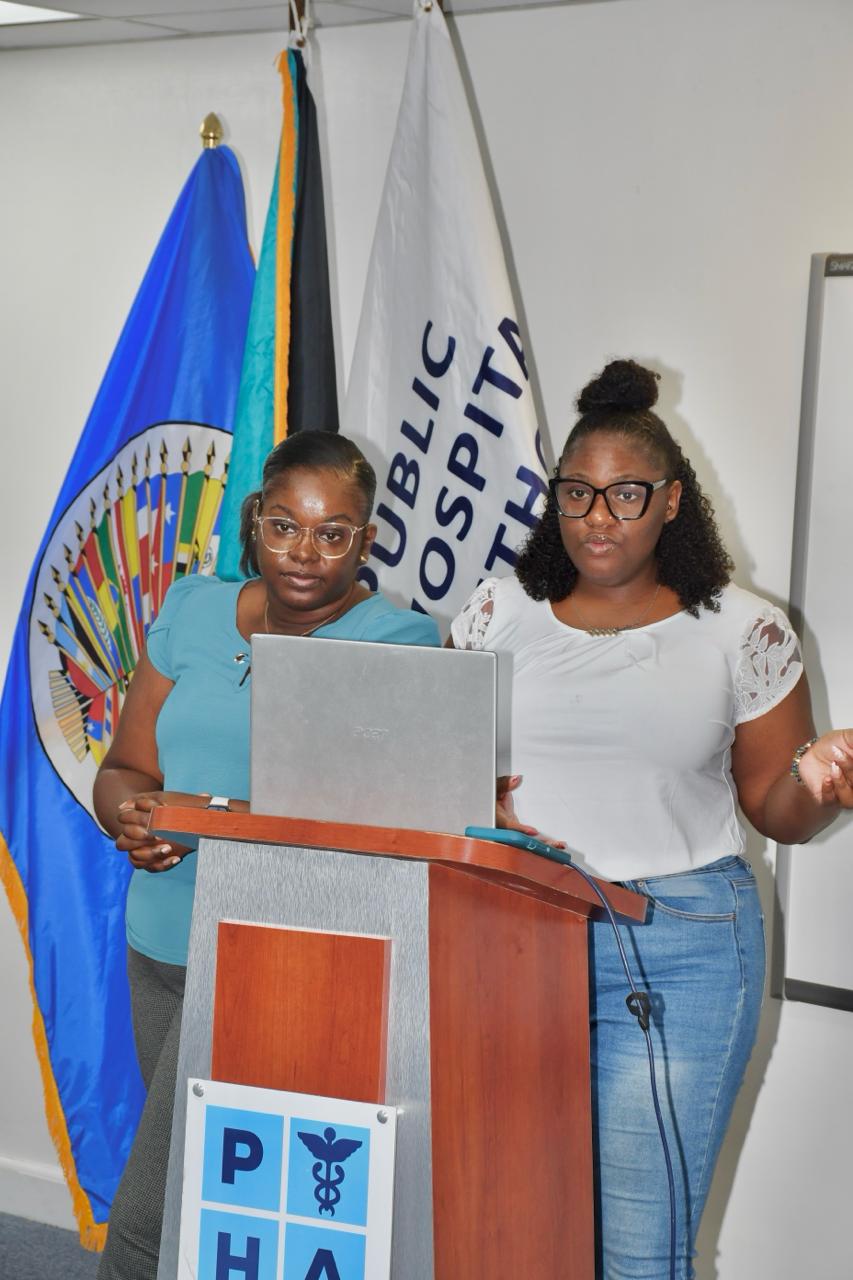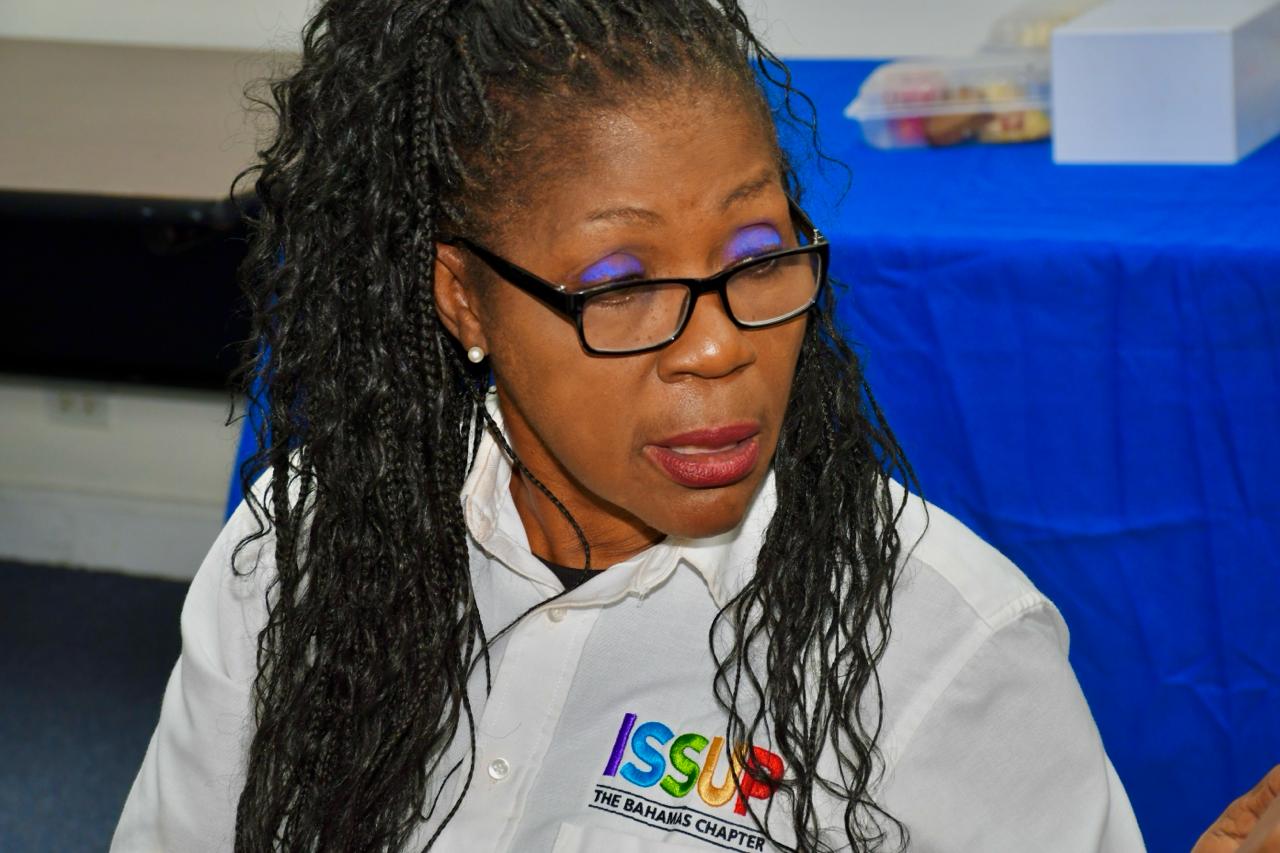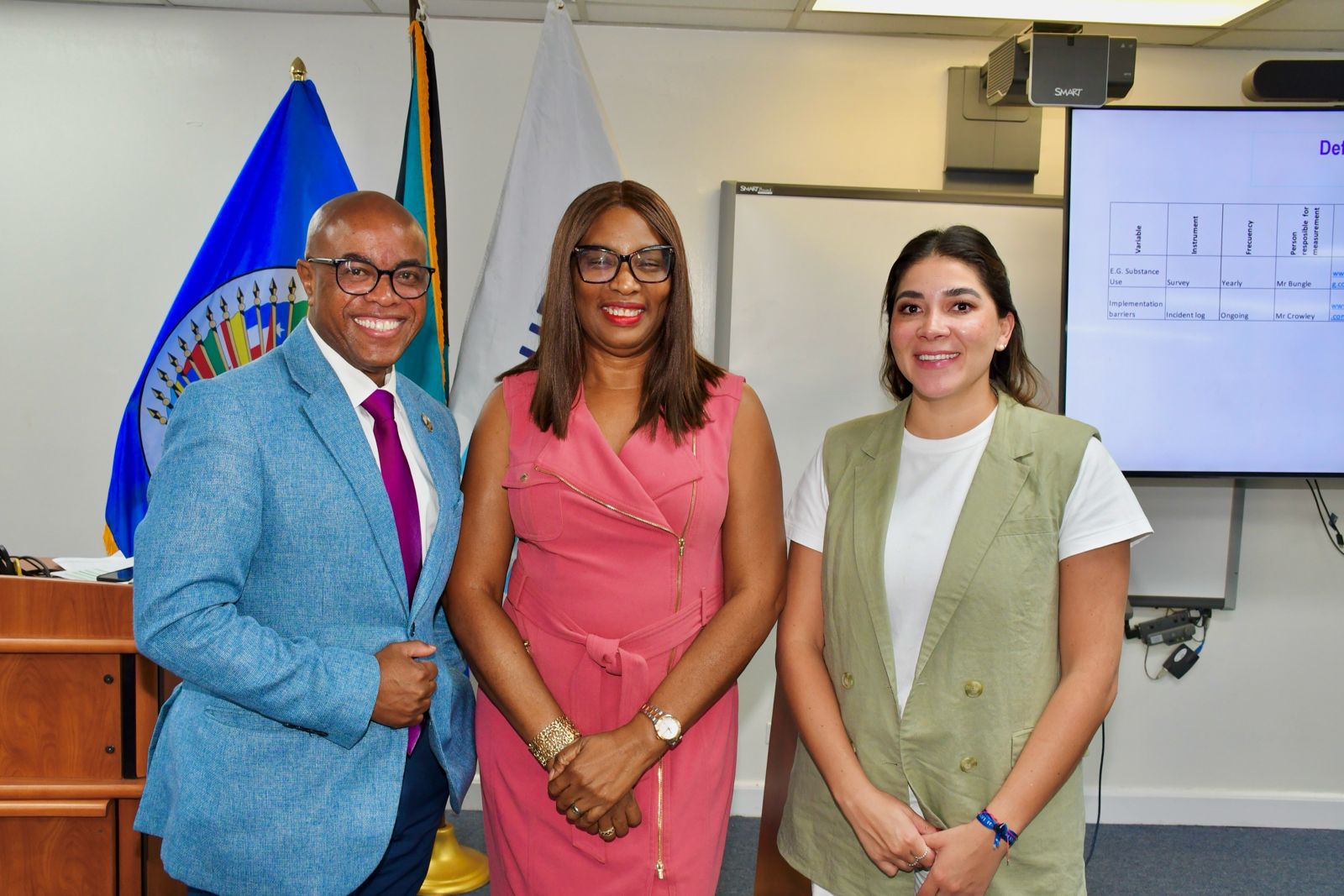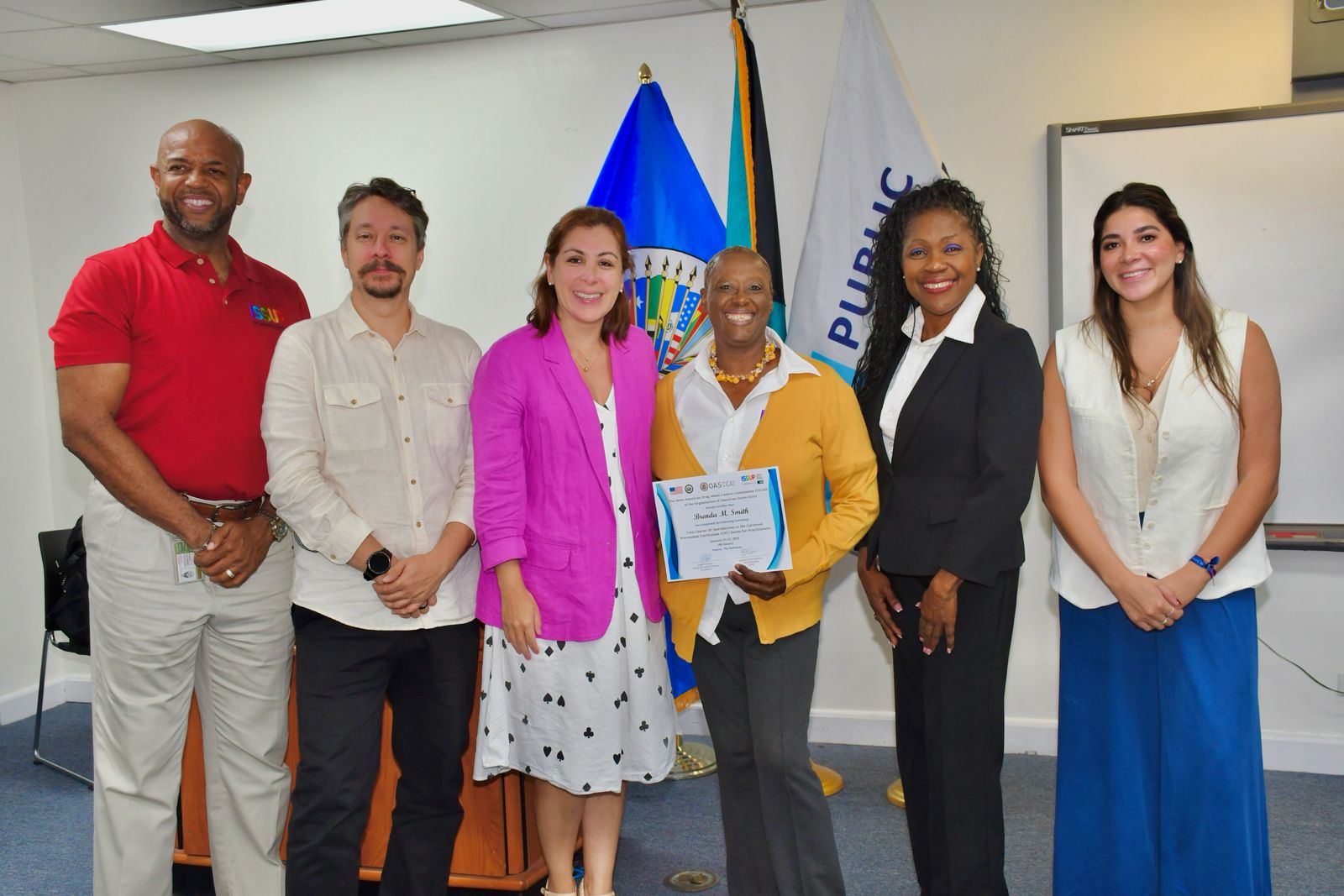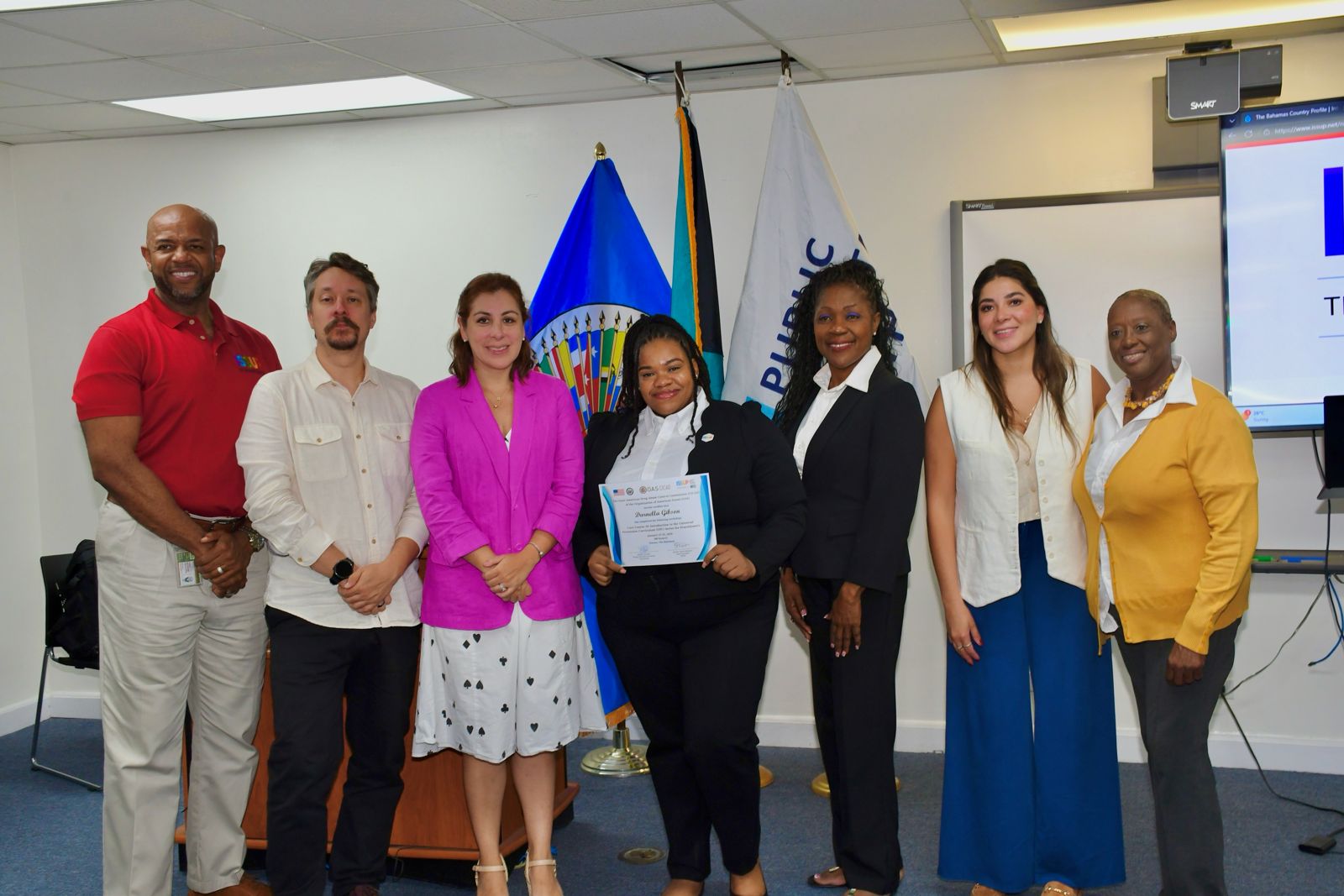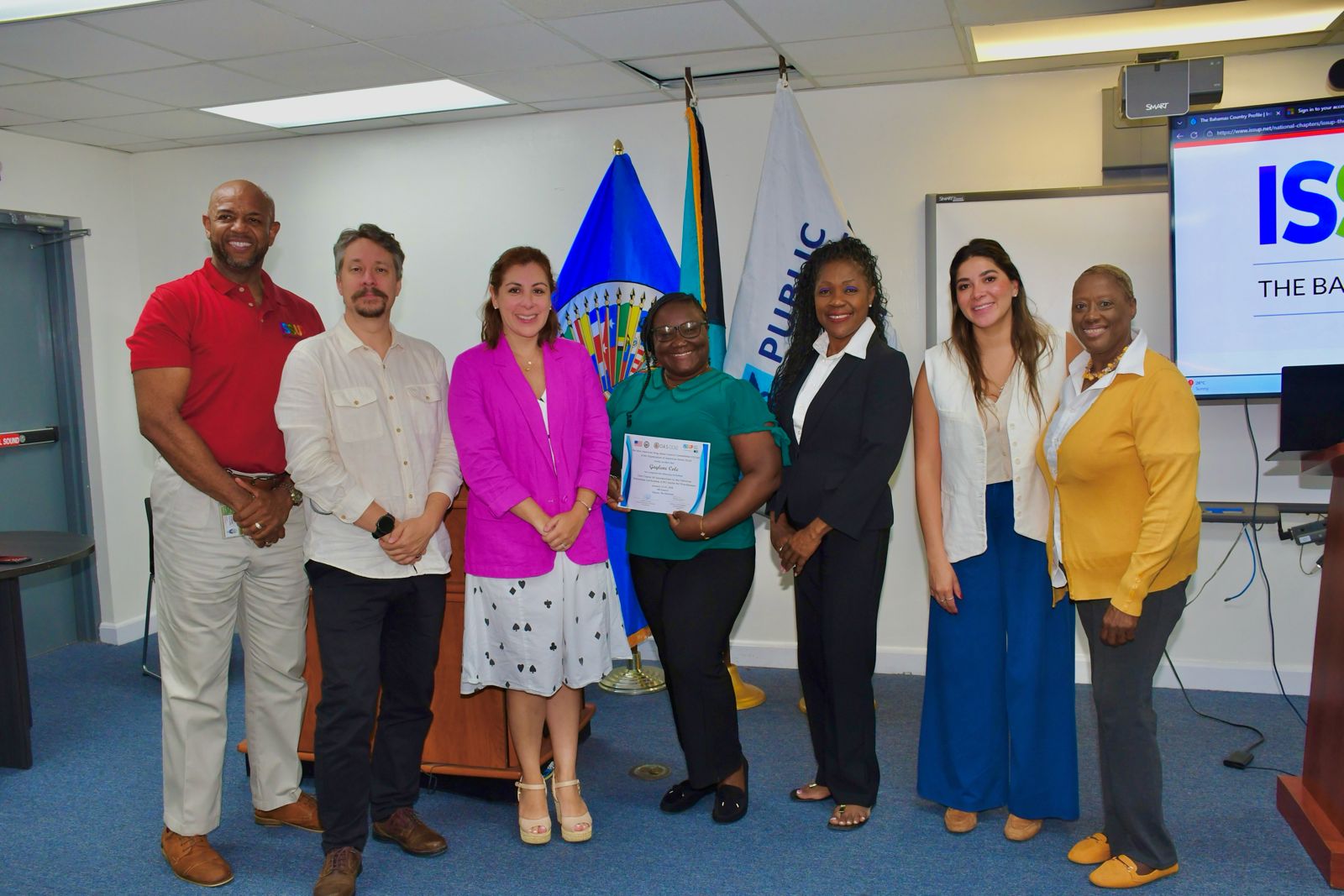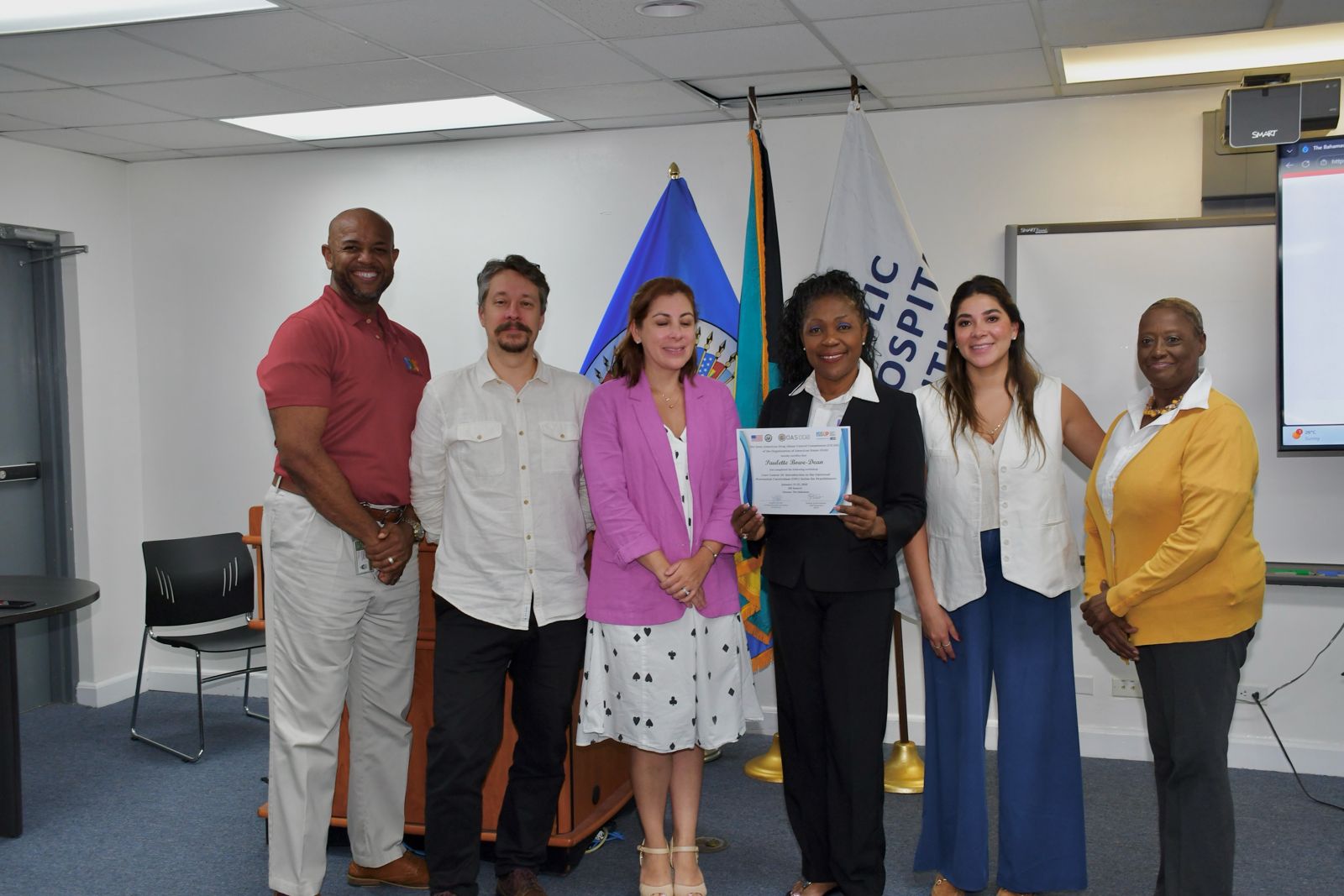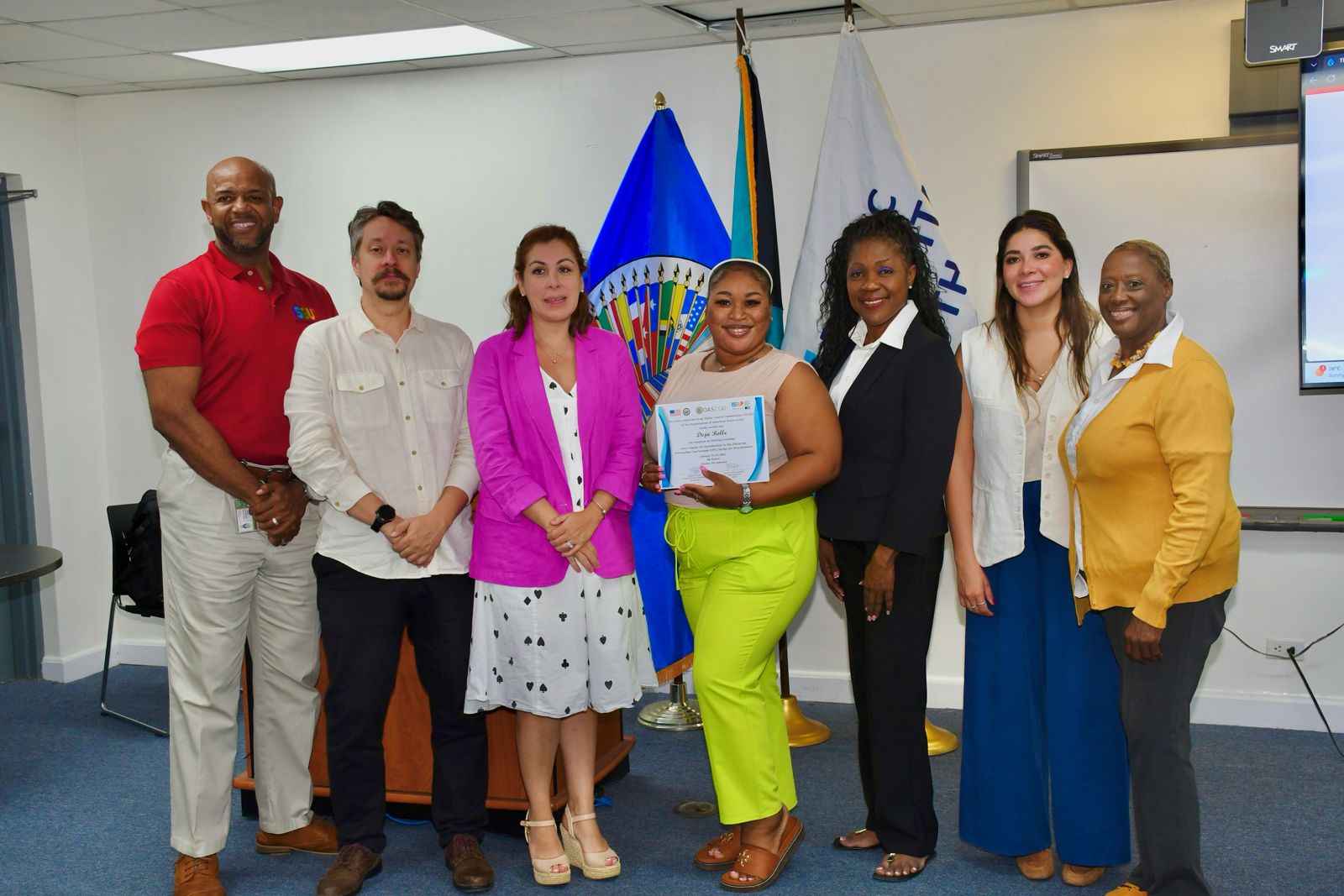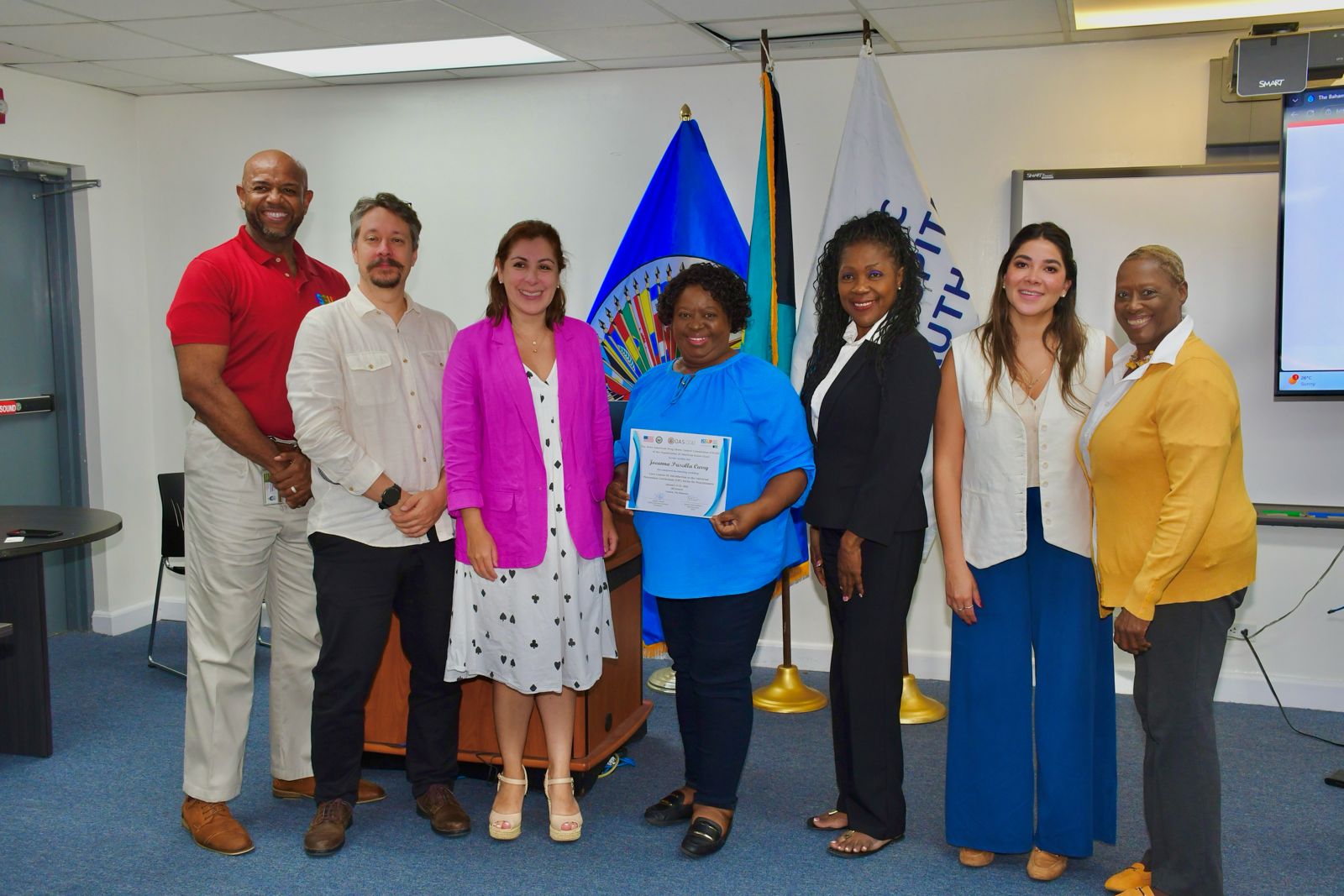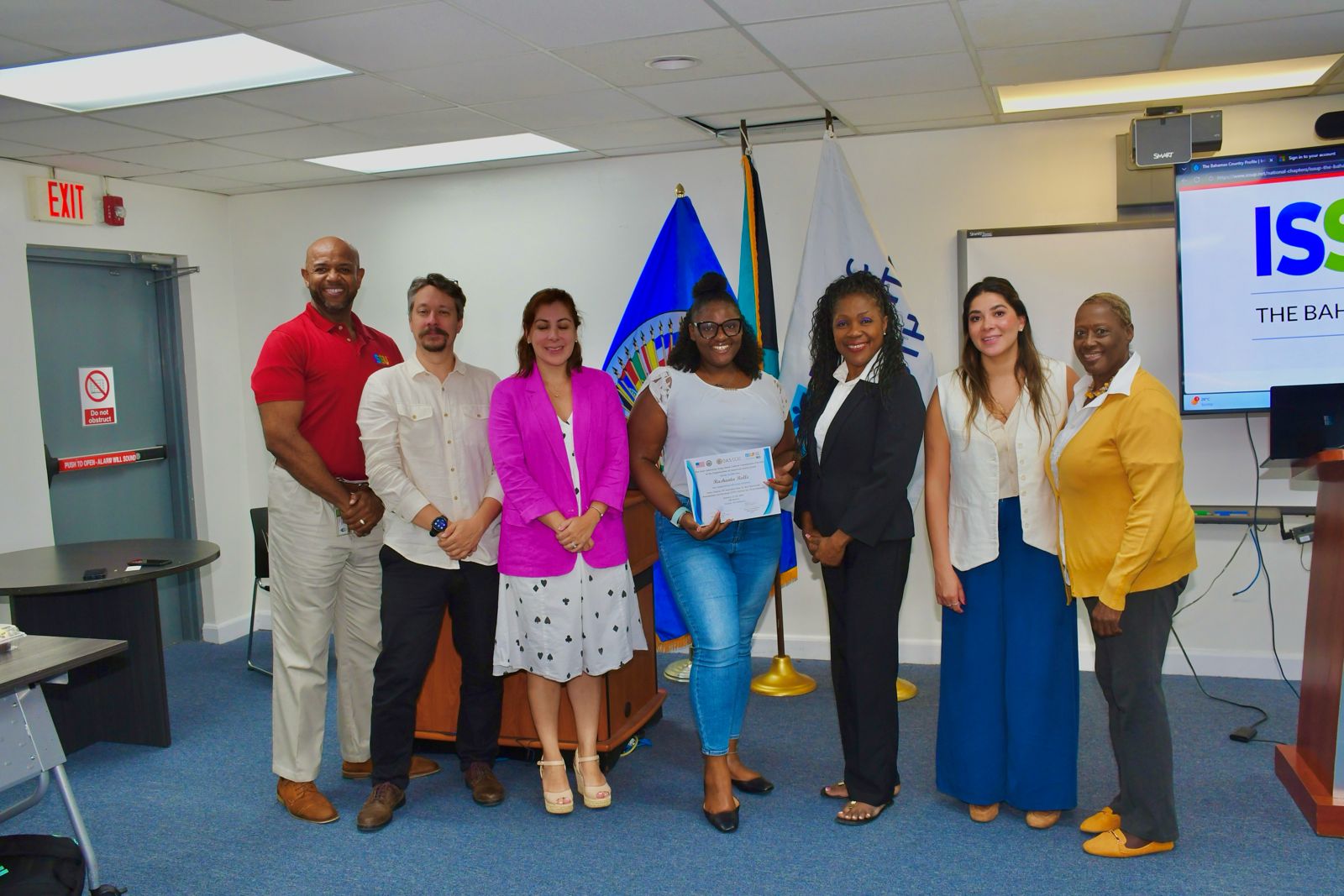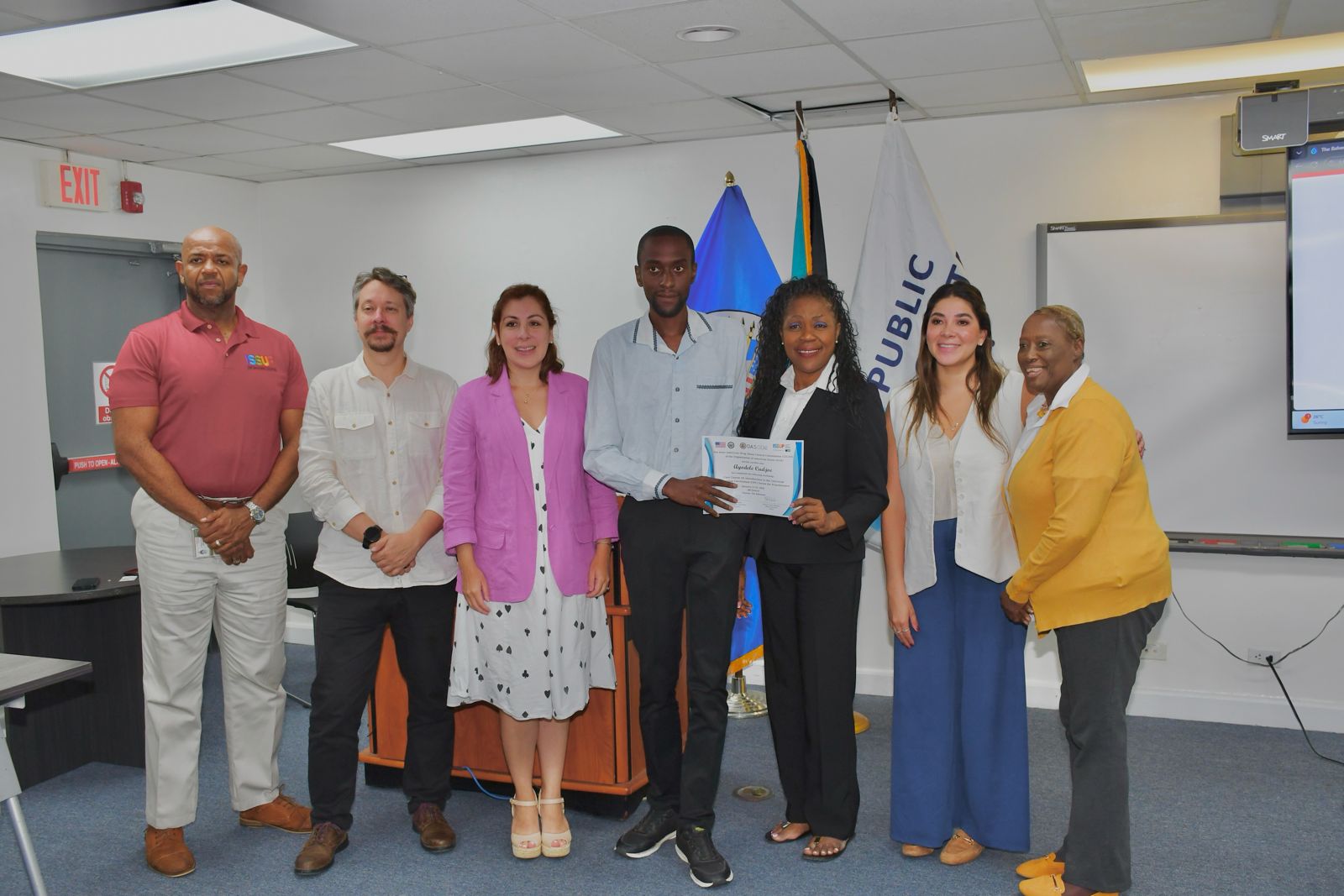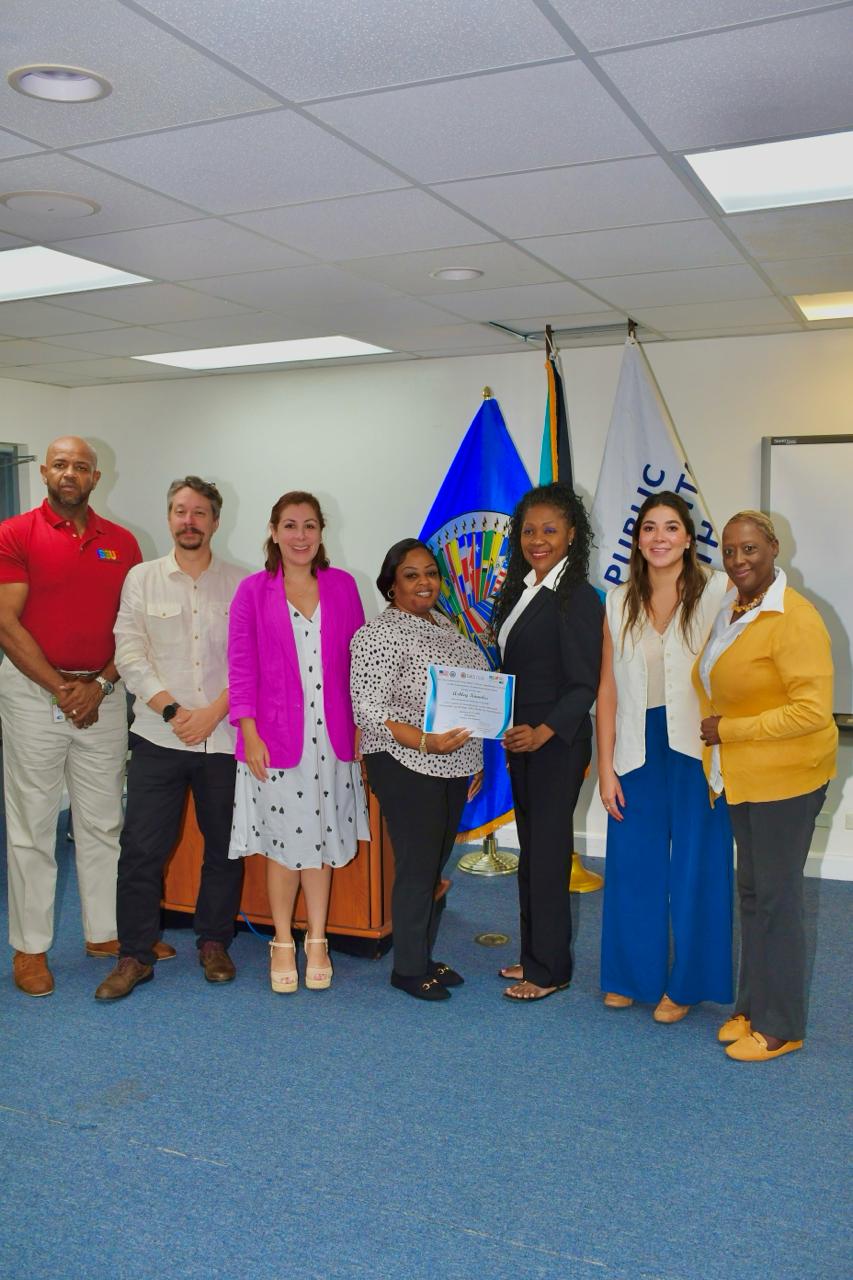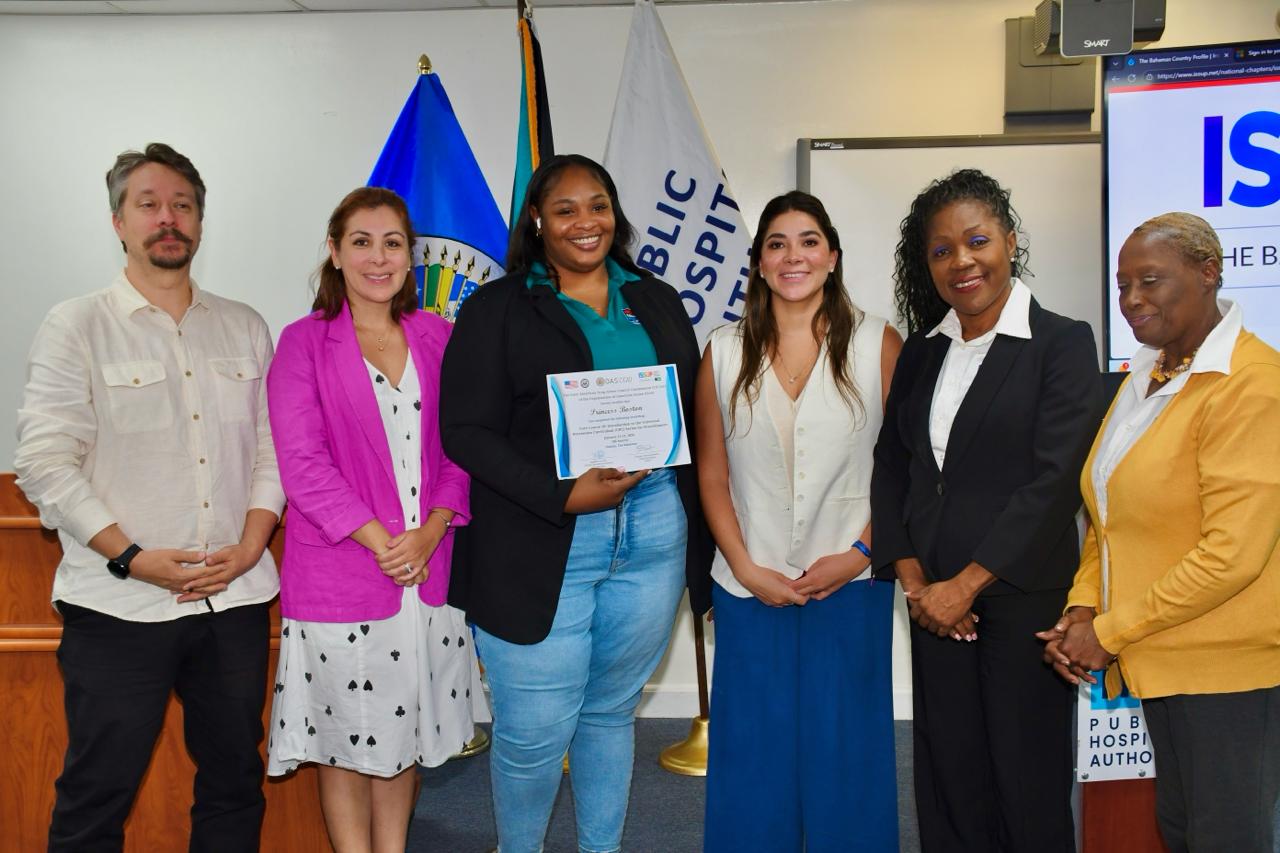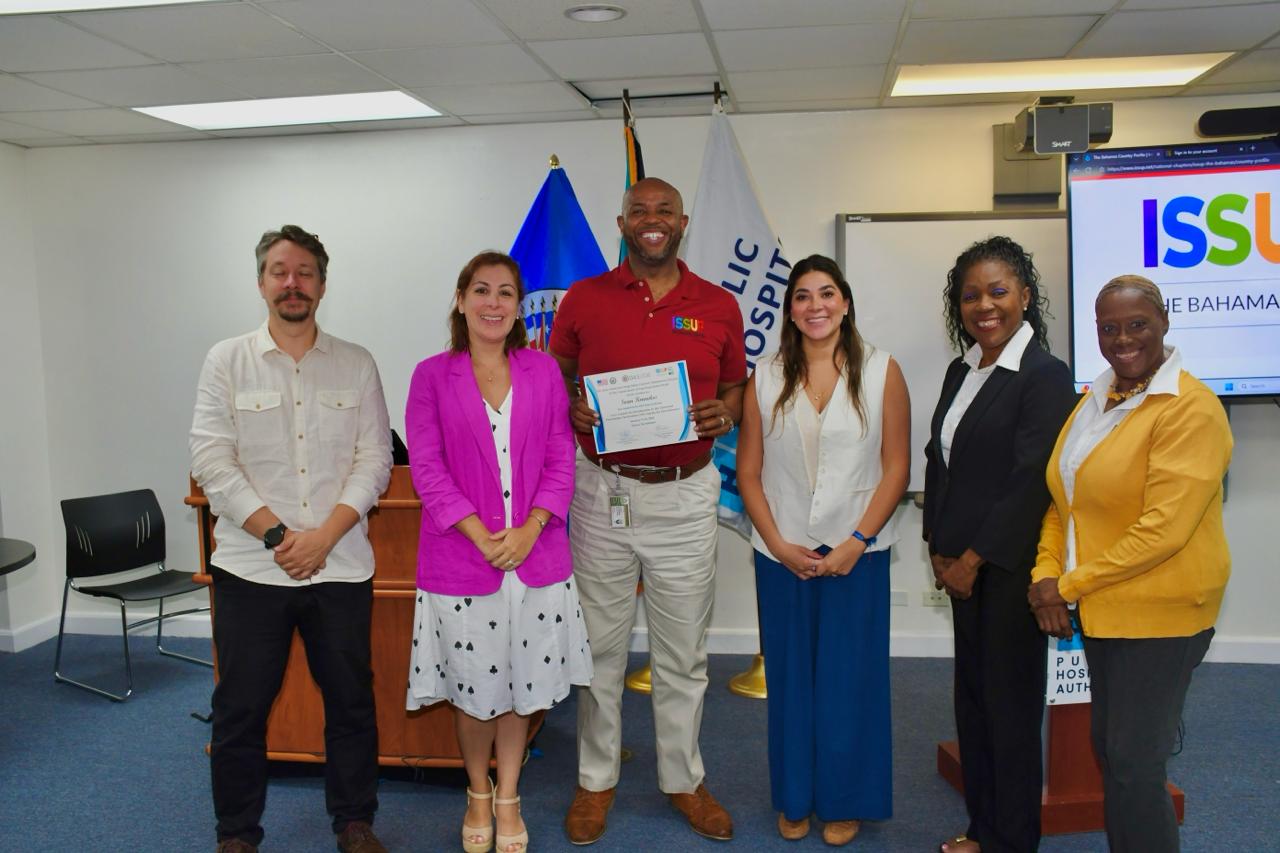
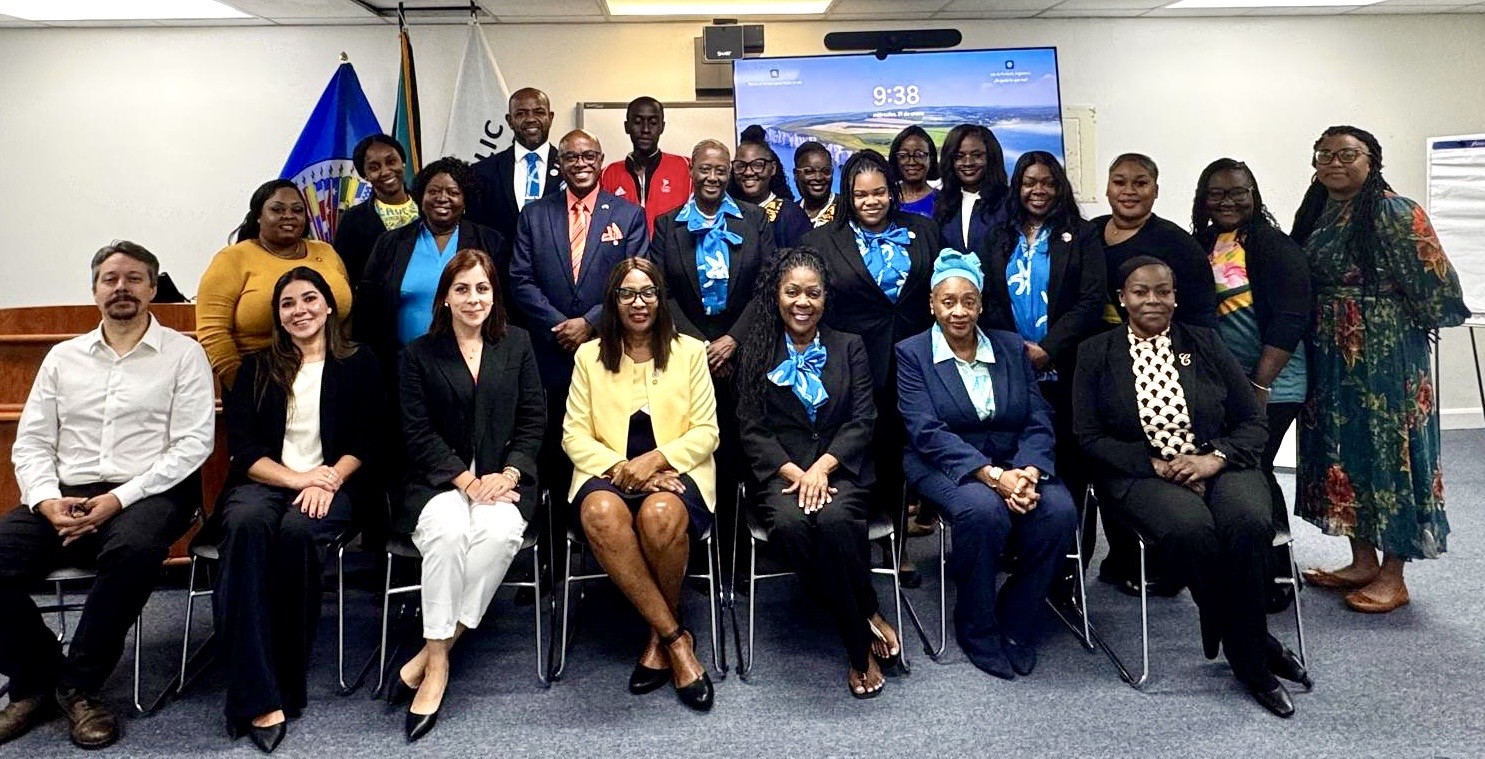
From 21 to 23 January 2026, ISSUP The Bahamas hosted an in-person Universal Prevention Curriculum (UPC) Workshop – Introduction to Prevention Science, Practitioner Series, in collaboration with the OAS/CICAD. The workshop brought together 17 participants from The Bahamas, Trinidad and Tobago, and Barbados, fostering regional collaboration and shared learning.
The three-day workshop focused on reviewing and strengthening prevention implementation plans developed by participants during the virtual phase of the training. Through practical exercises and guided discussions, participants refined their plans with a strong emphasis on evidence-based prevention, implementation fidelity, and sustainability.
The opening ceremony was attended by several distinguished representatives, including Ms Phyllis Baron, Representative of the Organization of American States (OAS) in The Bahamas; Dr Novia Carter-Lookie, Director of the Bahamas National Drug Council and Deputy Permanent Secretary at the Ministry of Health, Ms Paulette Bowe-Dean, Director of ISSUP The Bahamas; representatives from the Public Hospital Administrator at Sandilands Rehabilitation Centre; and Ms Barbara Correa, ISSUP Regional Coordinator.
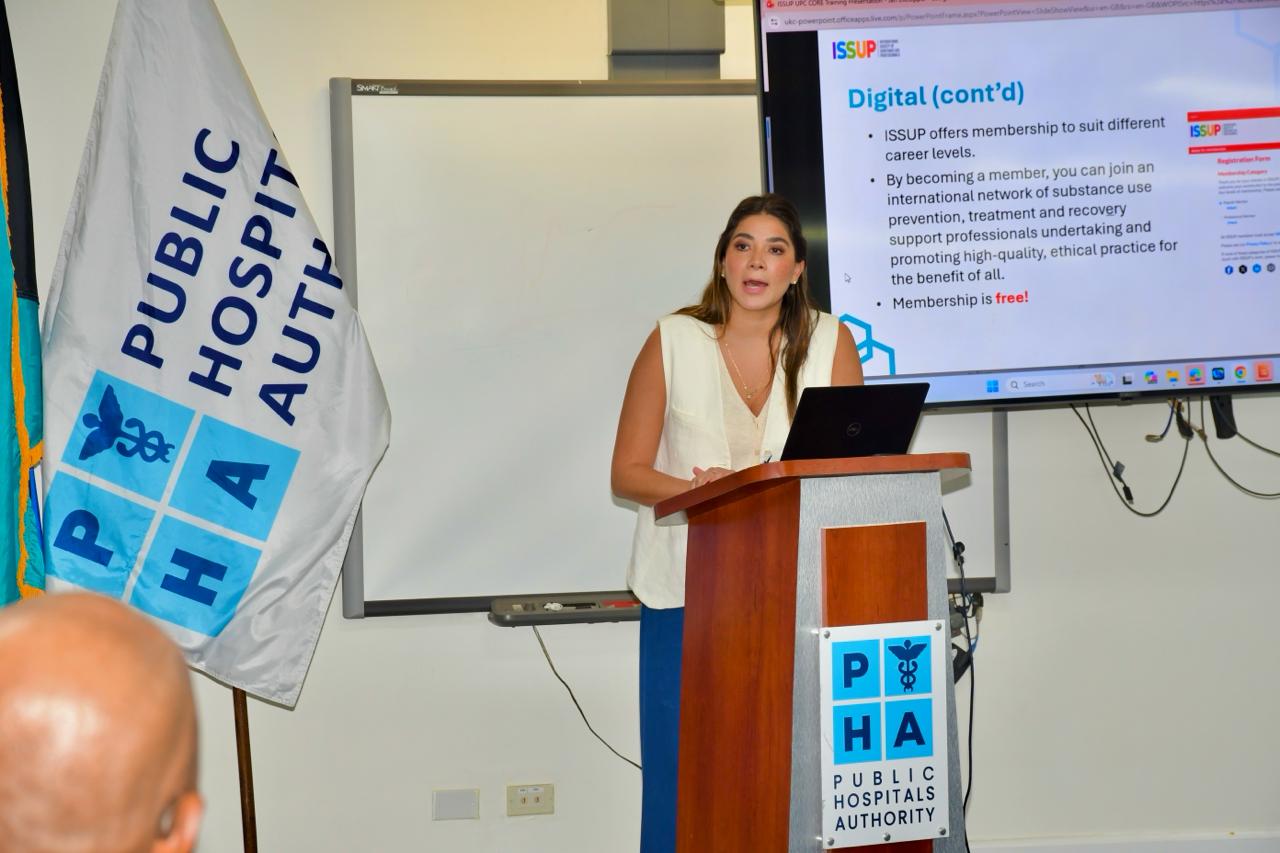
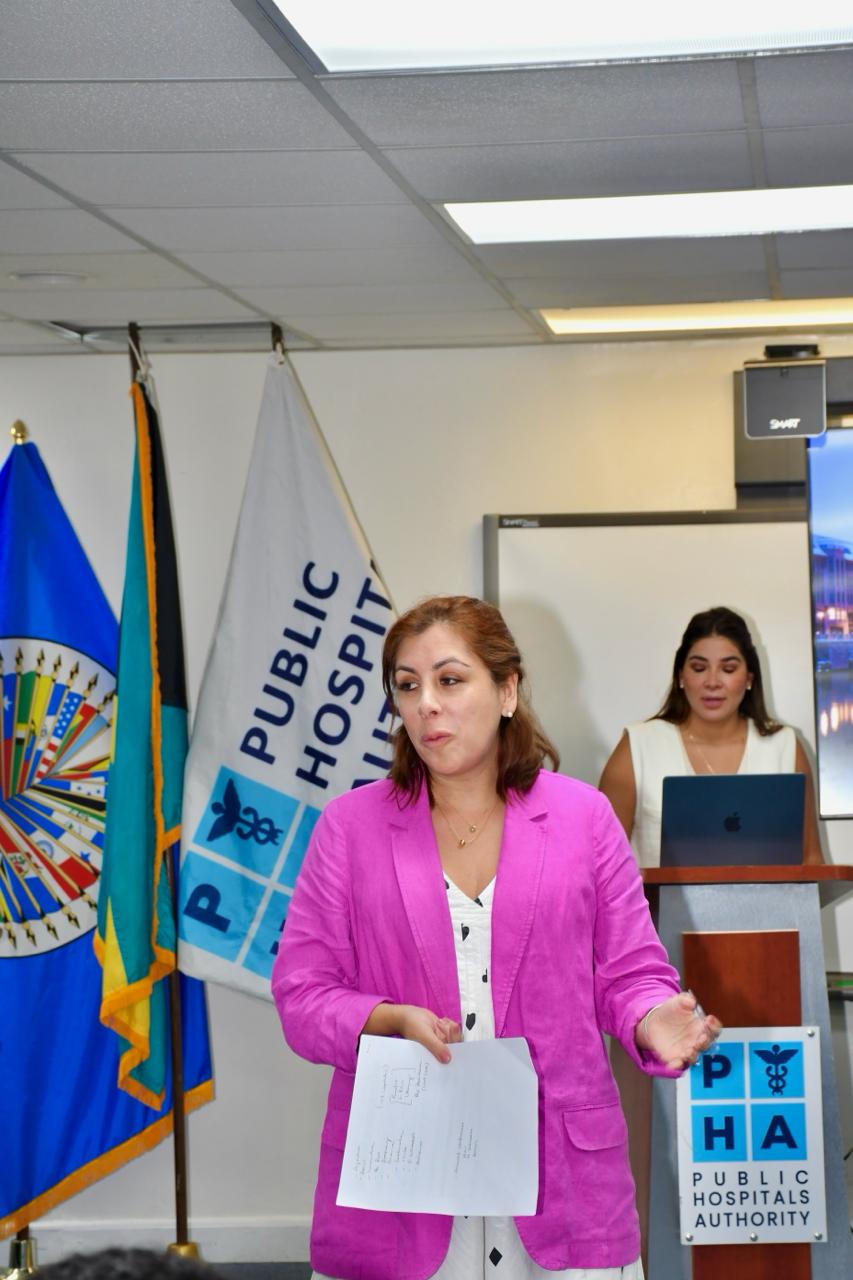
During the workshop, a dedicated session highlighted the strong collaboration between ISSUP and the Inter-American Drug Abuse Control Commission (CICAD) of the OAS. Presentations were delivered by Andrea Escobar (OAS/CICAD) and Barbara Correa (ISSUP Global), showcasing the impact of this partnership in strengthening prevention systems across the region.
The workshop was expertly facilitated by Andreas Hein, who guided participants through the application of prevention science concepts to real-world implementation planning.
The organisers would also like to extend sincere thanks to Brenda Smith, Paulette Bowe-Dean and the entire ISSUP The Bahamas executive team for her outstanding dedication and hard work in supporting the organisation and delivery of the workshop.
This in-person training marked an important step in reinforcing regional capacity, collaboration, and commitment to best practices in prevention across the Caribbean
Gallery