
Basuco in Medellín: The Cheap Cocaine Crisis Destroying Vulnerable Communities
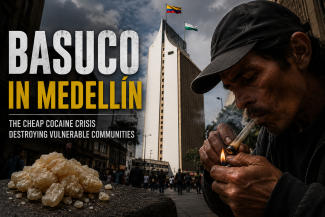
Basuco in Medellín: The Cheap Cocaine Crisis poverty, homelessness, trauma, and Colombia’s toxic smokable cocaine byproduct continue fueling one of Medellín’s most overlooked public health crises.
Medellín is internationally recognized as one of Latin America’s most transformed cities. Tourists see luxury apartments, nightlife districts, digital nomads, rooftop bars, and rapid economic growth. Neighborhoods like El Poblado and Provenza attract visitors from around the world looking for entertainment, culture, and opportunity.
But outside those tourist corridors, another reality exists.
In many vulnerable communities throughout Medellín, addiction, homelessness, mental illness, and poverty continue affecting thousands of people every day. One of the most destructive substances connected to this crisis is basuco, also known as bazuco — a cheap, highly addictive smokable cocaine byproduct commonly found in Colombia and other parts of South America.
Unlike powdered cocaine associated with wealthier consumers and nightlife tourism, basuco is often called the “poor man’s cocaine” because it is extremely cheap, highly toxic, and widely available in marginalized neighborhoods.
What Is Basuco?
Basuco is an unrefined smokable cocaine product created during the early stages of cocaine production. It is commonly made from coca paste and residual cocaine processing materials before the cocaine becomes fully purified.
Because it is a crude byproduct, basuco often contains toxic chemical residues and adulterants left behind during cocaine manufacturing.
| Category | Basuco Facts |
|---|---|
| Drug Type | Smokable cocaine byproduct |
| Street Names | Basuco, bazuco, coca paste |
| Main Region | Colombia and South America |
| Consumption Method | Usually smoked in pipes or mixed with tobacco/cannabis |
| Common Toxic Residues | Kerosene, sulfuric acid, gasoline residues, ash, brick dust, adulterants |
| Main Risk | Extreme addiction and neurological damage |
Why Is Basuco So Addictive?
Basuco is considered one of the most addictive smokable cocaine products because of how quickly it affects the brain and how rapidly the euphoric effects disappear.
When smoked, the drug crosses the blood-brain barrier within seconds, causing an intense dopamine spike and immediate feelings of euphoria, stimulation, and emotional escape.
The problem is that the high may last only a few minutes.
As the euphoric effect fades, users often experience:
- Extreme anxiety
- Paranoia
- Depression
- Panic
- Compulsive cravings
- Psychological distress
This severe crash drives repeated smoking behavior throughout the day, creating intense binge cycles that reinforce dependency extremely quickly.
| Addiction Factor | Effect on Users |
|---|---|
| Rapid Dopamine Release | Creates intense immediate euphoria |
| Very Short High | Leads to repeated compulsive smoking |
| Severe Psychological Crash | Causes cravings, paranoia, and anxiety |
| Toxic Chemical Exposure | Increases neurological and physical damage |
| Poverty and Trauma | Encourages psychological dependency and escape behavior |
Why Is Basuco Associated With Poverty?
Basuco is deeply associated with poverty because it is one of the cheapest drugs available on the street in Colombia. In some vulnerable communities, a dose may cost less than transportation, bottled water, or basic food.
Its affordability makes it highly accessible among homeless populations, displaced communities, sex workers, and individuals facing severe economic hardship.
Many people also use basuco as a temporary psychological escape from trauma, violence, instability, and untreated mental illness.
| Reason | Connection to Poverty |
|---|---|
| Extremely Low Cost | Accessible even in extreme poverty |
| Cheap Production Byproduct | Made from leftover coca paste materials |
| Rapid Dependency | Makes stable employment difficult |
| Urban Marginalization | Spreads heavily in vulnerable communities |
| Psychological Escape | Used to cope with trauma and social instability |
Is Basuco the Same as Crack?
No. Although basuco and crack are both smokable cocaine products, they are chemically different substances.
| Category | Basuco | Crack Cocaine |
|---|---|---|
| Production Method | Made from crude coca paste byproducts | Processed from powdered cocaine |
| Purity | Highly impure and chemically contaminated | More refined than basuco |
| Toxic Residues | Often contains kerosene, acids, solvents, and fillers | Usually fewer manufacturing residues |
| Main Region | South America | North America and Europe |
| Street Cost | Very cheap | More expensive than basuco |
Why Medellín Continues Struggling With Basuco
Medellín’s basuco crisis is connected to multiple overlapping issues:
- Historical cocaine production
- Urban poverty
- Internal displacement
- Homelessness
- Mental health challenges
- Street-level drug economies
- Gang-controlled neighborhoods
While Medellín has modernized dramatically, many marginalized communities continue facing unstable housing, lack of healthcare access, unemployment, and trauma linked to decades of conflict and inequality.
In these environments, cheap highly addictive drugs can spread rapidly.
Recovery and Harm Reduction
Recovery from basuco addiction is possible, but severe stimulant dependency often requires long-term support systems.
Public health experts increasingly view addiction as both a medical and social issue rather than purely a criminal issue.
| Recovery Support | Purpose |
|---|---|
| Mental Health Counseling | Addresses trauma, anxiety, and psychological instability |
| Medical Treatment | Manages addiction-related health complications |
| Housing Assistance | Provides stable recovery environments |
| Street Outreach | Connects vulnerable populations with care |
| Community Rehabilitation | Supports long-term reintegration into society |
Frequently Asked Questions About Basuco
What is basuco?
Basuco is a cheap smokable cocaine byproduct commonly found in Colombia and South America.
Why is basuco so addictive?
The drug creates an intense but very short-lived dopamine spike followed by severe psychological crashes and cravings.
Why is basuco associated with poverty?
It is extremely cheap, highly accessible, and often spreads in marginalized communities affected by homelessness and economic instability.
Is basuco more dangerous than crack?
Many experts consider basuco more toxic because it contains crude manufacturing residues and chemical contaminants.
Can people recover from basuco addiction?
Yes. Recovery is possible with healthcare, rehabilitation programs, mental health treatment, stable housing, and long-term support.
Why is Medellín affected by basuco?
Historical cocaine production, poverty, displacement, inequality, and street drug economies all contribute to the crisis.
Recovery from severe stimulant addiction often requires medical supervision, hydration, nutritional support, mental health care, and long-term rehabilitation programs. In Medellín, some wellness providers now offer supportive mobile recovery services designed to help individuals experiencing exhaustion, dehydration, and physical stress related to nightlife and stimulant use.
Services such as cocaine withdrawal IV therapy in Medellín may provide hydration support, vitamins, and nurse-administered wellness care directly at homes, hotels, or Airbnb locations. While IV therapy is not a cure for addiction or overdose, supportive healthcare and harm reduction approaches may help reduce immediate health risks and encourage individuals to seek professional recovery treatment.