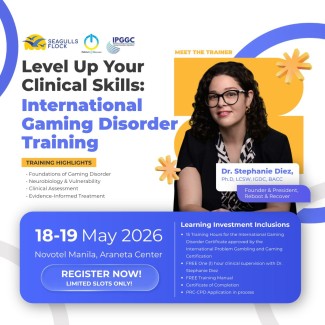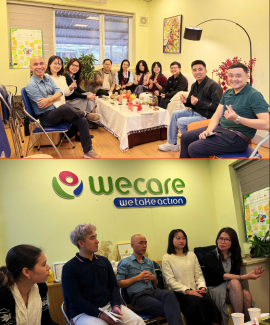
The range of medical, psychological, and social services designed to help individuals reduce or stop substance use and manage substance use disorders. Treatment may include assessment, counselling and behavioural therapies, medication-assisted treatment, withdrawal management, and support for co-occurring mental or physical health conditions. Effective treatment is typically person-centred and evidence-informed, and may be provided in outpatient, community, or residential settings. Treatment aims to improve health and functioning, reduce substance-related harms, and support individuals in moving toward recovery and long-term wellbeing.
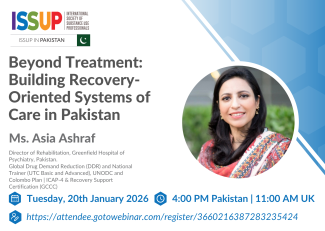
Treatment
Overdose education and naloxone distribution in jails: Examining the impact of the Communities That HEAL intervention in 4 states
Abstract Background Opioid-related overdose is the leading cause of mortality among individuals recently released from incarceration in the U.S. Naloxone is an FDA-approved opioid antagonist medication designed to rapidly reverse opioid...
Global Launch – Universal Nurses Addiction Curriculum (UNAC)
On June 26, 2025, the International Consortium of Universities for Drug Demand Reduction (ICUDDR) marked an important milestone with the global launch of the Universal Nurses Addiction Curriculum (UNAC). This initiative, supported by the U...
International Standards for the Treatment of Drug Use Disorders
The International Standards for the Treatment of Drug Use Disorders, developed by UNODC and WHO, provide guidance for countries to strengthen evidence-based, ethical and effective treatment systems. They are designed for policymakers...
World Drug Report 2025: Webinar on Key Trends and Policy Challenges for Africa
As a follow-up to our previous webinar outlining the Key Findings of the World Drug Report 2025, ISSUP on 28 August 2025 presented a review of the World Drug Report 2025 through an African lens. The webinar was moderated by Radolf Nortey...
Supporting children affected by the substance use of a parent or sibling
Delivered by a Child and Adolescent Psychotherapist, this two-day course explores the effects of substance use in the family on children, and how to support them. The course covers both direct support for children and young people, and how to support non-substance using parents or other adults to support children appropriately
STRENGTHENING SOBRIETY TO STRENGTHEN ADDICTION PREVENTION.
STRENGTHENING SOBRIETY TO STRENGTHEN ADDICTION PREVENTION. Working with young people over the years—teenagers in high schools, students in colleges, and community youth in different neighborhoods—I have learned something powerful: the...
Toolkit on Stakeholder Engagement: Implementing the United Nations Convention against Transnational Organised Crime (UNTOC)
The UNODC has developed a Toolkit designed to strengthen the capacity of civil society, academia, and the private sector to support the implementation of the UN Convention against Transnational Organised Crime (UNTOC) and its Protocols. The...
Canadian Centre on Substance Use and Addiction (CCSA) Issues of Substance
Immerse yourself with up to 1,000 expected attendees in three full days of learning at CCSA’s Issues of Substance. With over 120 presentations scheduled to take place, there are plenty of opportunities to share knowledge, collaborate and help shape the future of substance use health during this most crucial time. Don’t miss it! Join us November 17–19 at the Halifax Convention Centre.
Be Part of the Future in Halifax!
MODELLING ACCOUNTABILITY IN THE RECOVERY PROCESS.
Addiction is a complex disease that requires everyone to understand the science behind it. In the treatment and recovery process, it is not unusual to come across stigma, blame, and disbelief. However, reframing accountability in addiction...
From Standards to Action: Ensuring Quality in Drug Treatment Services
ISSUP Global, in collaboration with UNODC, presents its webinar titled 'From Standards to Action: Ensuring Quality in Drug Treatment Services'