
Treatment

The range of medical, psychological, and social services designed to help individuals reduce or stop substance use and manage substance use disorders. Treatment may include assessment, counselling and behavioural therapies, medication-assisted treatment, withdrawal management, and support for co-occurring mental or physical health conditions. Effective treatment is typically person-centred and evidence-informed, and may be provided in outpatient, community, or residential settings. Treatment aims to improve health and functioning, reduce substance-related harms, and support individuals in moving toward recovery and long-term wellbeing. 
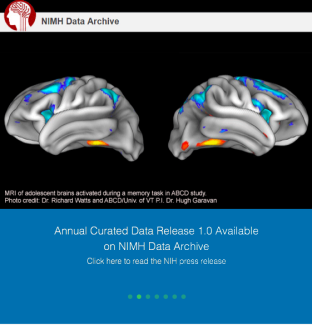
The Role of Science in Addressing the Opioid Crisis

Scientific article
 - 
Opioid misuse and addiction is an ongoing and rapidly evolving public health crisis, requiring innovative scientific solutions. In response, and because no existing medication is ideal for every patient, the National Institutes of Health...

Alcohol Treatment Matrix Row 5: Safeguarding the Community

Book
 - 
Time to consolidate the lessons of the course’s last five instalments about treatment intended to safeguard the community, the final row of the Alcohol Treatment Matrix. A common theme is the contradiction between treatment centred on the...

Quality Standards for Drug Dependence Treatment

Book
 - 
The TREATNET Quality Standards are based on the United Nations Office on Drugs and Crime (UNODC) Principles of Drug Dependence Treatment and Care. They represent a set of evidence-based standards for drug-dependence treatment. Click here to...

Family Therapy for Adolescents with Behavioural Problems

Scientific article
 - 
Multidimensional family therapy addresses: Mental health, substance use and other behavioural issues affecting young people The parents’ childrearing skills/personal functioning Parent-child communication/relationship Family members' social...

E-Cigarettes Less Addictive Than Traditional Cigarettes, Study Finds

Scientific article
 - 
E-cigarettes are less addictive than traditional cigarettes, according to a new study published in the journal Preventative Medicine. That said, around 75% of e-cigarette smokers still consider themselves to be dependent on their use...