The range of medical, psychological, and social services designed to help individuals reduce or stop substance use and manage substance use disorders. Treatment may include assessment, counselling and behavioural therapies, medication-assisted treatment, withdrawal management, and support for co-occurring mental or physical health conditions. Effective treatment is typically person-centred and evidence-informed, and may be provided in outpatient, community, or residential settings. Treatment aims to improve health and functioning, reduce substance-related harms, and support individuals in moving toward recovery and long-term wellbeing.
Treatment
MCA Alcohol & Covid Webinar 11 November 2020
"International standards of treatment of disorders related to the use of narcotic substances"
Digital Inclusion For All: Medici Final Conference
The Medici Final Conference showcases work on digital inclusion at the grassroots level. It will present case studies of good practices that directly tackle digital exclusion across the 27 EU member states and the UK. It will present the projects’ main results and will also explore prospects for the sustainability of the MEDICI platform in the future.
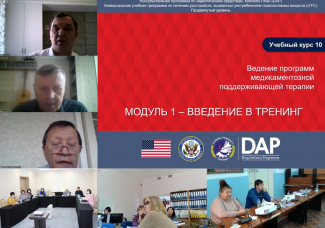
National trainer teams from Central Asia level up in the Universal Treatment Curriculum for Substance Use Disorders with support from UNODC
England’s Health Care Gatekeeper Endorses Mutual Aid. Highlight from Effectiveness Bank Alcohol Treatment Matrix Cell E4
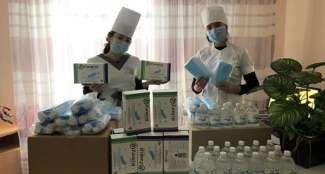
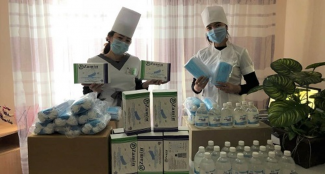
UNODC helps protect front-line staff at HIV treatment and prevention facilities in Uzbekistan during COVID-19
UNODC helps to protect the frontline staff of drug treatment and HIV prevention facilities in Uzbekistan during COVID-19
New Video on Alternatives to Incarceration
Virtual Solutions for Substance Use Care Conference
On December 9th and 10th, 2020, international colleagues from across the healthcare community will gather to attend an online conference on virtual solutions for substance use care.
High Risk Substance Use and Overdose Among Youth Conference
The rising numbers of young people with high-risk substance use, especially suffering from overdose, is alarming. Adolescence and young adulthood (under the age of 25) is the period of highest incidence and greatest impact of mental health and substance use disorders, yet there are no youth-specific services in place.