
The range of medical, psychological, and social services designed to help individuals reduce or stop substance use and manage substance use disorders. Treatment may include assessment, counselling and behavioural therapies, medication-assisted treatment, withdrawal management, and support for co-occurring mental or physical health conditions. Effective treatment is typically person-centred and evidence-informed, and may be provided in outpatient, community, or residential settings. Treatment aims to improve health and functioning, reduce substance-related harms, and support individuals in moving toward recovery and long-term wellbeing.
Treatment
Stigma Drug and Addiction Use
The stigma associated with drug use and addictive behaviors affects in a transverse way in people's lives, making an impact on physical and mental health, the ability to find and maintain a job, to find and maintain a home, in their...
Alcohol and Cancer Risks: A Guide for Health Professionals
Drinking alcohol increases the risk of mouth cancer, pharyngeal (upper throat) cancer, oesophageal (food pipe) cancer, laryngeal (voice box) cancer, breast cancer, bowel cancer and liver cancer. Having conversations with patients about the...
Opening Ceremony of the 6th Freemind International Congress
The 6th Freemind International Congress, organized by the Freemind Mobilization and ISSUP Brazil, was held in the city of Águas de Lindóia / SP, Brazil from December 4th to 7th, 2019. The event was held at Hotel Majestic, which has one of...
Outcomes of a Novel Office-Based Opioid Treatment Program in an Internal Medicine Resident Continuity Practice
Abstract Background The integration of opioid use disorder (OUD) care and competencies in graduate medical education training is needed. Previous research shows improvements in knowledge, attitudes, and practices after exposure to OUD care...
Care for Hospitalized Patients with Unhealthy Alcohol Use: A Narrative Review
Abstract There is increasing emphasis on screening, brief intervention, and referral to treatment (SBIRT) for unhealthy alcohol use in the general hospital, as highlighted by new Joint Commission recommendations on SBIRT. However, the...
How Many Tries Does it Take to Resolve a Substance Use Problem? Lessons from a National Study of Recovering Adults in the U.S.
This retrospective cohort study asks people who are in recovery or have not used alcohol or drugs for at least two years following meeting diagnostic criteria for having a SUD how many quit attempts they had made prior to success. The range...
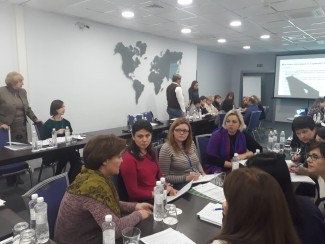
UNODC and WHO Organize International Training on Substance Use Treatment and Care during Pregnancy
Kyiv (Ukraine), 18 December 2019 - The United Nations Office on Drugs and Crime (UNODC) jointly with the World Health Organization (WHO) in the framework of the UNODC-WHO Programme on Drug Dependence Treatment and Care, organized an...
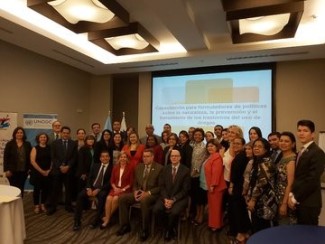
UNODC Training on the Nature, Prevention and Treatment of Drug Use Disorders for Intersectoral Group of Panama Policymakers
Thirty-four (34) high-level decision makers from CONAPRED, the Ministries of Health, Education and Social Development, NGOs and other entities are participating in a three-day workshop on creating humane, effective and evidence-based drug...
Association of Punitive and Reporting State Policies Related to Substance Use in Pregnancy With Rates of Neonatal Abstinence Syndrome
Key Points Question: Are state punitive or reporting policies related to substance use during pregnancy associated with rates of neonatal abstinence syndrome (NAS)? Finding: In this repeated cross-sectional study of nearly 4.6 million...
RSMj 2021 4th Annual Scientific Meeting
The 4th Annual Scientific Meeting of the Research Society on Marijuana (RSMj) will be held from July 23-25, 2021 in Boston, MA.