The range of medical, psychological, and social services designed to help individuals reduce or stop substance use and manage substance use disorders. Treatment may include assessment, counselling and behavioural therapies, medication-assisted treatment, withdrawal management, and support for co-occurring mental or physical health conditions. Effective treatment is typically person-centred and evidence-informed, and may be provided in outpatient, community, or residential settings. Treatment aims to improve health and functioning, reduce substance-related harms, and support individuals in moving toward recovery and long-term wellbeing.
Treatment
SPIRITUALITY/RELIGIOSITY AS A PROTECTIVE FACTOR AGAINST THE USE OF PSYCHOACTIVE SUBSTANCES IN ADOLESCENCE
Review article published in the Journal of Debates in Psychiatry - Jul/Aug 2017 Abstract Objective: To analyze the impact of spirituality and/or religiousness on the use of psychoactive substances in the adolescent population in both...
m-Health Applications for Responding to Drug Use and Associated Harms
Digital healthcare, also known as e-health, refers to tools and services that use information and communication technology to improve the prevention, diagnosis, treatment, monitoring and management of health. Mobile health, or m-health, is...
“It’s on Everyone’s Plate”: A Qualitative Study into Physicians’ Perceptions of Responsibility for Smoking Cessation
Abstract Background Little research has investigated in-depth how physicians perceive their role in smoking cessation care. This qualitative study sought to understand physicians’ perceptions of responsibility for smoking cessation. Methods...
Can compassion words change the addiction discourse?
As a PhD student, I joked that my work was the best bar-conversation-starter ever: “So what do you do?” “Ah, actually,” I would smile; pause. My job was definitely one of my favorite topics. “Drug research.” “Drugs? Like, medicine?” “No...
Effectiveness Bank Analysis: Resolving Therapist-Client Tensions May Promote Recovery
Amalgamated research findings raise the intriguing possibility that experiencing the resolution of breakdowns or tensions (‘ruptures’) in the therapist-client relationship promotes client welfare even more than rupture-free relationships...
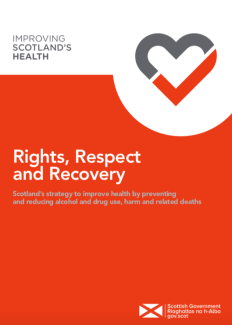
Rights, Respect and Recovery: Scotland's Alcohol and Drug Treatment Strategy
The Scottish Government has released the new Alcohol and Drugs Strategy, which aims to improve health by preventing and reducing alcohol and drug use, harm and related deaths. There were a record 934 drugs-related deaths in Scotland in 2017...
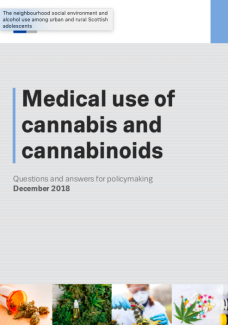
Medical Use of Cannabis and Cannabinoids
The European Monitoring Centre for Drugs and Drug Addiction have released their first report on the medical use of cannabis. The report is part of a new series called Cannabis, Controversies and Challenges, and is designed to explore the...
Models of Addiction
The science of addiction is complicated, and it continues to be a field where the debate over definitions, models, theories, and the most appropriate ways to respond continues. EMCDDA's Insight Review provides a critical analysis of the...
Why Do Those With Long-Term Substance Use Disorders Stop Abusing Substances?
Many people successfully recover from substance use disorders. Understanding the factors that contribute towards people deciding to stop using substances can help guide treatment and design interventions. A recent study has explored the...
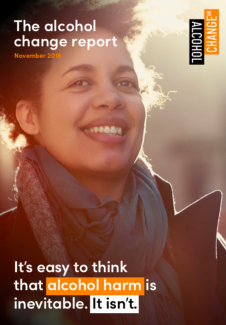
The Alcohol Change Report
Alcohol Change UK have released their latest report, which highlights the state of alcohol use in the UK and recommends changes that will reduce harm and promote a healthier society. The report gives a clear overview of the cost and...