The range of medical, psychological, and social services designed to help individuals reduce or stop substance use and manage substance use disorders. Treatment may include assessment, counselling and behavioural therapies, medication-assisted treatment, withdrawal management, and support for co-occurring mental or physical health conditions. Effective treatment is typically person-centred and evidence-informed, and may be provided in outpatient, community, or residential settings. Treatment aims to improve health and functioning, reduce substance-related harms, and support individuals in moving toward recovery and long-term wellbeing.
Treatment
Examining the Links between Adolescent Brain Development, Mental Illness and Substance Use Disorder
Adolescence is a time where young people go through dramatic changes in body and behaviour. It is an age where young people are most likely to take risks, partake in reward-seeking activities and experience the first symptoms of mental ill...
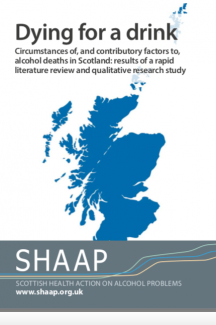
Dying for a Drink
Scottish Health Action on Alcohol Problems (SHAAP) has published its latest report, ‘ Dying for a drink’. Scottish people tend to consume more alcohol than people in England and Wales. Alcohol is a harmful substance and, consumed in excess...
Potential benefit of N-acetylcysteine for the management of cocaine base paste addiction
Abstract In Chile, the consumption of Cocaine Base Paste (CBP), a highly toxic and addictive substance, has become a serious medical and social problem in the poorest areas of the country. This substance is smoked and quickly provokes in...
Novel Psychoactive Substances Symposium
The Center for Forensic Science Research & Education is hosting an international 2-day symposium on the status of the Novel Psychoactive Substances (NPS) crisis in the United States. The event will take place in Philadelphia on the 13th and 14th of November.
The focus of the event will be in on synthetic cannabinoids, opioids, benzodiazepines, stimulants and hallucinogens.
Research on the Perception of Brazilian Parliamentarians on Drug Policy
Seeking to qualify the public debate on drug policy and guide the actions of its members, the Brazilian Drug Policy Platform conducted a survey with the Federal Legislative Branch to map the opinions and perceptions of the congressmen on...
Research on perception of Brazilian parliamentarians on drug policy
Seeking to qualify the public debate on drug policy and guide the actions of its members, the Brazilian drug policy Platform (PBPD) conducted a survey of the federal legislative power to map the opinions and perceptions of congressmen about...
Inactivation of HCV and HIV by Microwave: A Novel Approach for Prevention of Virus Transmission among People who Inject Drugs
Abstract Hepatitis C virus (HCV) and human immunodeficiency virus (HIV-1) transmissions among people who inject drugs (PWID) continue to pose a challenging global health problem. Here, we aimed to analyse a universally applicable...
Sex Differences in Cannabis Use
Cannabis remains the most commonly used illicit drug worldwide and, with the rise of decriminalisation and legalization of marijuana for medical and recreational use, it is expected this will increase even further. There are, however...
Risk Factors for Discontinuation of Treatment for Opioid Use Disorders
Opioid Use Disorder (OUD), and the associated risk of overdose and death, is becoming one of the most prevalent threats to health and social wellbeing in the United States. Medication, such as buprenorphine, is the gold standard treatment...
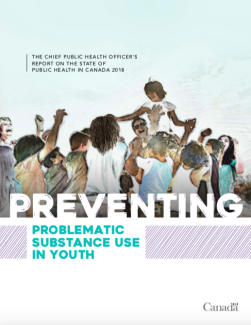
Report on the State of Public Health in Canada 2018: Preventing Problematic Substance Use in Youth
The Public Health Agency of Canada has released its latest report on the state of public health, with a spotlight on the prevention of problematic substance use among youth. Results from the analysis found that almost 80% of Canadians aged...