The range of medical, psychological, and social services designed to help individuals reduce or stop substance use and manage substance use disorders. Treatment may include assessment, counselling and behavioural therapies, medication-assisted treatment, withdrawal management, and support for co-occurring mental or physical health conditions. Effective treatment is typically person-centred and evidence-informed, and may be provided in outpatient, community, or residential settings. Treatment aims to improve health and functioning, reduce substance-related harms, and support individuals in moving toward recovery and long-term wellbeing.
Treatment
Stressful Experiences Affect Likelihood of Remission of Drug Dependence, Continued Drug Use, and Relapse
Researchers at the University of Michigan’s Centre for the Study of Drugs, Alcohol, Smoking and Health have been exploring the link between drug dependence, ongoing drug use, relapse and exposure to stress or experience of stressful events...
Treatment for Opioid Use and Outcomes in Older Adults: A Systematic Literature Review
A new study published in the Drug and Alcohol Dependence journal focuses on an often-neglected topic – opioid use in older adults. This systematic literature review, Treatment for Opioid Use and Outcomes in Older Adults, included 76 papers...
Research Suggests Changes to the Way Opioids Are Prescribed after Surgery Could Prevent Misuse
A team of researchers from Harvard Medical School in Boston has published a new study suggesting changes to the way opioids are prescribed after surgery could be a way to reduce misuse. Featured in the British Medical Journal, the study...
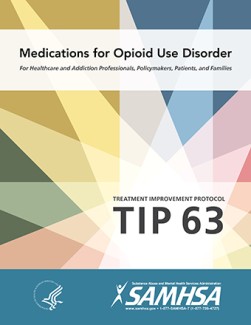
New from SAMHSA: Medications for Opioid Use Disorders
SAMHSA has released a new publication as part of the Treatment Improvement Protocol series.
Repeated Exposure to the “Spice” Cannabinoid JWH-018 Induces Tolerance and Enhances Responsiveness to 5-HT1A Receptor Stimulation in Male Rats
Naphthalen-1-yl-(1-pentylindol-3-yl)methanone (JWH-018) is a synthetic compound found in psychoactive “spice” products that activates cannabinoid receptors. Preclinical evidence suggests that exposure to synthetic cannabinoids increases 5...
National Trends in Alcohol Consumption in Mexico
Abstract: Introduction: Worldwide, binge drinking of alcohol has increased, especially among young people. In Mexico, various epidemiological sources allow us to account for the growth this pattern of consumption has had. Given this context...
The Influence of Hazardous Drinking on Psychological Functioning, Stress and Sleep during and after Treatment in Patients with Mental Health Problems
Abstract Objectives: Hazardous drinking could negatively affect health and lead to alcohol use disorders, but it is unclear how hazardous drinking affects treatment outcomes of depression and anxiety and stress-related mental health...
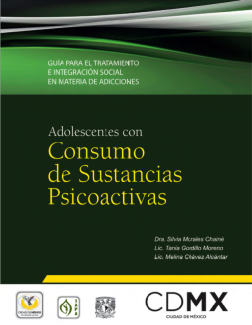
Guide to treatment and social integration in the field of addictions
The aim of this guide is to facilitate the understanding of the problem of adolescent substance use, as well as present practices based on clinical evidence more effective guidance and intervention with this population. The guide is...
Nabiximols Combined with Motivational Enhancement/Cognitive Behavioral Therapy for the Treatment of Cannabis Dependence
Abstract Background The current lack of pharmacological treatments for cannabis use disorder (CUD) warrants novel approaches and further investigation of promising pharmacotherapy. We previously showed that nabiximols (27 mg/ml Δ9...
Measuring Treatment Outcomes in Gambling Disorders
Abstract Background and Aims Considerable variation of outcome variables used to measure recovery in the gambling treatment literature has precluded effective cross-study evaluations and hindered the development of best-practice treatment...