Populations

Distinct groups of people within a society who share certain characteristics such as age, gender, geographic location, socioeconomic status, cultural background, or exposure to particular risk factors that may influence patterns of substance use, vulnerability to substance use disorders, and access to services. In the context of substance use systems, identifying and understanding different populations helps guide the design of prevention, treatment, recovery, and policy responses that are appropriate, equitable, and responsive to specific needs. Examples may include youth, women, people experiencing homelessness, individuals in the criminal justice system, or communities affected by specific social or economic conditions. 
Alcohol and Drugs Prevention, Treatment and Recovery: Why Invest?

Book
 - 
Estimates show that in the UK the social and economic costs of alcohol related harm amount to £21.5bn, while harm from illicit drug use costs £10.7bn. These include costs associated with deaths, the NHS, crime and, in the case of alcohol...

Reasons for E-Cigarette Use among US Middle and High School Students

Scientific article
 - 
Summary What is already known about this topic? Electronic cigarettes (e-cigarettes) were the most commonly used tobacco product among U.S. middle school and high school students in 2016. The Surgeon General concluded that e-cigarettes can...

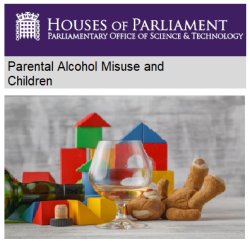
Parental Alcohol Misuse and Children

Book
 - 
Parental Alcohol Misuse (PAM) can negatively affect children’s physical and mental health, and other outcomes including educational attainment and behaviour. Effects can be acute when experienced in conjunction with other adverse...

Alcohol: no ordinary consumer product

Book
From a public health perspective, alcohol consumption plays an important role in the causation of disability, illness and death on a global scale. It also contributes substantially to the family dysfunction, violence and psychiatric...