
Search
 Treatment
The range of medical, psychological, and social services designed to help individuals reduce or stop substance use and manage substance use disorders. Treatment may include assessment, counselling and behavioural therapies, medication-assisted treatment, withdrawal management, and support for co-occurring mental or physical health conditions. Effective treatment is typically person-centred and evidence-informed, and may be provided in outpatient, community, or residential settings. Treatment aims to improve health and functioning, reduce substance-related harms, and support individuals in moving toward recovery and long-term wellbeing.


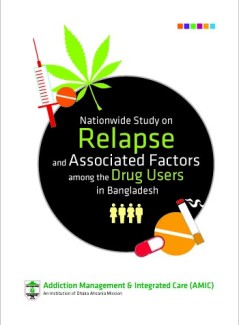
The Nationwide Study Report on Relapse and Associated Factors among Drug Users in Bangladesh
Geographical location and diverse cultural influence make Bangladesh vulnerable for substance use related problems. It is impairing public health, corrupting institutions, retarding socio-economic development, and in some cases, impacting...
Enfermería en adicciones: El modelo teórico de H. Peplau a través de los patrones funcionales de M. Gordon. A propósito de un caso práctico.
Resumen
Objetivo
Estudio de un caso práctico de un usuario de un centro ambulatorio de atención a drogodependencias a través de los patrones funcionales de salud de M. Gordon desde el modelo de H. Peplau.
Material y métodos
Se describe...
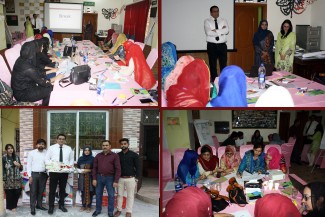
UTC 2 & 3 Training Day 2 at New Life Rehab Center Sialkot-Pakistan
(UTC 2 & 3 Training Day: 2) M A Jinnah Foundation (Regd), Sialkot in Collaboration with Nishan Rehab Pakistan, (A Colombo Plan (DAP) recognized Education Provider), conducted Six Days Training on Universal Treatment Curriculum (UTC) 2 & 3...
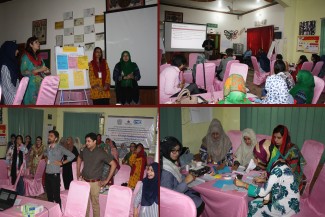
UTC 2 & 3 Training Day 1 at New Life Rehab Center Sialkot-Pakistan
(UTC 2 & 3 Training Day: 1) M A Jinnah Foundation (Regd), Sialkot in Collaboration with Nishan Rehab Pakistan, (A Colombo Plan (DAP) recognized Education Provider), conducted Six Days Training on Universal Treatment Curriculum (UTC) 2 & 3...
New Networks Feature - Sign up to receive weekly updates!
Networks are online defined interest groups that allow health care professionals, researchers, practitioners and others working in the drug demand reduction field to share research, events, news, success stories, resources and information r...
Effectiveness Bank Analysis: Therapy ‘Toolbox’ Helps Rescue Poorly Recovering Patients at London Maintenance Clinic
Instead of a set programme, a clinic in London tried offering patients prescribed methadone or buprenorphine but still using heroin or cocaine a selection from a suite of well-supported psychological interventions tailored to the patient...
The Society for the Study of Addiction Professorship
The Society’s key goals are to promote effective policy and practice and to support the development of stronger addiction science.
Through its Academic Fellowship scheme, launched in 2012, the Society is enabling high-calibre early and mid...

Drug Surveillance Using Internet Search Data From Google Trends
Dr Jacques Raubenheimer, from The University of Sydney, presents Drug Surveillance Using Internet Search Data From Google Trends: What are the Possibilities.
The presentation focused on the use of a tool developed by Dr Raubenheimer for...
Mental Health in the Americas: An Overview of the Treatment Gap
To understand the mental health treatment gap in the Region of the Americas by examining the prevalence of mental health disorders, use of mental health services, and the global burden of disease.
Evidence-Based Practices Resource Center
SAMHSA has launched a new Resource Center that includes a collection of scientifically-based resources for a broad range of audiences
Comparing Credentialing Requirements of Substance Abuse Treatment Staff by Funding Source
Studies have found that clinicians with higher education and/or attainment of national certification have a more favorable outlook regarding the adoption of evidence-based practices. However, staff hiring decisions may be based on a...
Podcast: Recovery-focused Care Planning
The Collaborate Care Planning Project (COCAPP) studies mental health risk, care planning and therapeutic relationships. This podcast interview with Alan Simpson and Sarah Carr explores the importance of assessing and managing risk, how to...
A Public Health Approach to Alcohol Use and its Related Harms in Iran
In Iran, alcohol consumption, production, and trade are criminalised for Muslim citizens; however, bootleg alcohol and harmful alcohol consumption is a burden that should not be overlooked.
Currently the Iranian Ministry of Health has...
Workplace Alcohol and Other Drug Factsheets
To assist workplaces to respond to alcohol and other drug-related harm in the workplace, The National Centre for Education and Training on Addiction, has produced a series of factsheets about commonly used drugs and their impact on safety...

Sober Social Networks: The Role of Online Support Groups in Recovery from Alcohol Addiction
A recent study has analysed evidence for the value of online social networks in supporting recovery from alcohol addiction.

DSM-5 in Patients Seeking their First Treatment for Alcohol Use Disorder. Sex Differences in the Multicenter CohRTA Study
Abstract
Objective: We aimed to analyze sex differences in the DSM-5 criteria among patients admitted to their first treatment of alcohol use disorder (AUD). Methods: Assessment of AUD was carried out using DSM-5 diagnostic criteria in a...
Best Practices for Successful Reentry for People Who Have Opioid Addictions
This fact sheet describes the best practices that community-based behavioural health, and probation and parole agencies can implement to ensure that reentry for people who have opioid addictions is safe and successful.

Mindful Body Awareness Training as Part of Treatment for Substance Use Disorder
Mindful Awareness in Body-oriented Therapy (MABT) is designed to teach interoceptive awareness and related skills for self-care and emotion regulation.

Webinar: How Do Co-occurring Mental Health and Substance Use Disorders Affect Young People?
This webinar will present an update on research into co-occurring mental and substance use disorders among young people in Australia.
It will ask:
- how many young people experience co-occurring mental and substance use disorders?
- What...
Effectiveness Bank Additions: Therapy Relationships that Work 4: Managing Perceptions of the Treatment
Clients’ perceptions of and reactions to treatment are the focus of this final of four bulletins recapping 16 reviews for the American Psychological Association. Emerging from psychotherapy research worldwide are practical and effective...